Why Choose an Open Source BACnet Controller?
Buildings are becoming software systems, with pumps, meters, sensors, and alarms exchanging live data. The International Energy Agency’s Buildings 2023 report states that buildings consume about 30% of global final energy. In the United States, the Energy Information Administration reported 6.8 quadrillion British thermal units consumed by commercial buildings in 2018.
These figures expose a practical challenge. Building operators need control systems that are flexible, transparent, and easier to maintain. An Open Source Bacnet Controller can support those goals through accessible code, documented interfaces, and broader hardware compatibility. BACnet expert David Fisher has described BACnet as “a standard communication protocol for building automation and control networks.” That principle matters when a controller must connect an air-handling unit, a chilled-water pump, and a temperature sensor without locking the owner into one vendor.
The advantages are not automatic. Open code still requires testing, cybersecurity discipline, version control, and skilled commissioning. A wrong object mapping can leave a pump running after occupancy ends. That is expensive and surprisingly easy to miss. The U.S. Department of Energy’s Better Buildings resources repeatedly emphasize measurement, controls, and operational verification as practical efficiency tools.
Experience also complicates the promise. Some teams save licensing costs, while others spend more on integration and support. Documentation may be incomplete. Community support may vary. Still, open development can make faults easier to inspect and improvements easier to share. This introduction examines where an Open Source Bacnet Controller delivers real value, where it creates operational risk, and how informed buyers can evaluate both promises and limitations.
What Is an Open Source BACnet Controller?
An open source BACnet controller is a building automation device whose software code is publicly available for inspection and modification. It communicates through BACnet/IP or BACnet MS/TP networks. The controller manages objects such as temperatures, schedules, alarms, and fan commands. Unlike a closed device, its internal logic is not hidden behind a manufacturer’s interface.
In practice, engineers can review the code, adjust control sequences, and connect the controller to existing supervisory systems. A technician might use a laptop to change a heating setpoint, inspect a failed sensor value, or test an alarm rule. Public code also supports peer review, which can reveal unsafe assumptions before deployment. Clear version records, documented interfaces, and repeatable test procedures make maintenance more reliable.
It is not automatically better.
Open development can reduce licensing limits, but it also requires technical discipline. Code quality may vary, documentation can be incomplete, and community support is not guaranteed. Security depends on timely updates, strong credentials, network separation, and careful access control.
I have found that simple commissioning notes often matter as much as sophisticated code. Teams should verify object mappings, test loss-of-communication behavior, and record every change. An open source BACnet controller is most valuable when transparency is matched by professional testing and responsible maintenance.
How Open Source BACnet Controllers Work
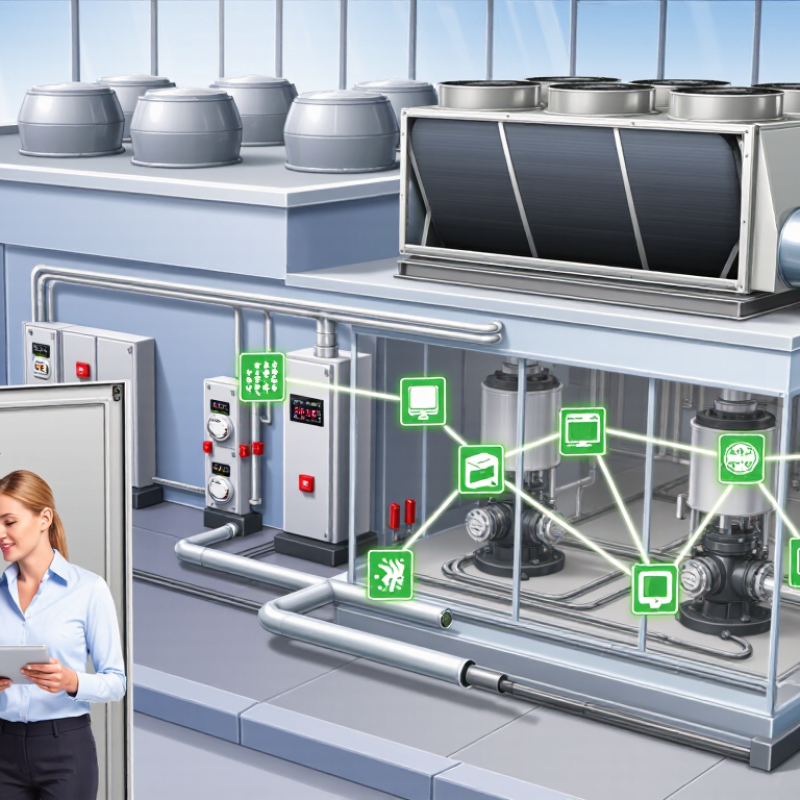
An open source BACnet controller combines a programmable processor, a BACnet protocol stack, and input-output hardware. The controller reads sensors, processes values, and exchanges data with other building devices. It may communicate through BACnet/IP or BACnet MS/TP over a wired network. Small field controllers often use serial buses, while supervisory systems usually use Ethernet.
The software represents equipment through BACnet objects. A temperature sensor becomes an analog input object. A fan command becomes a binary output object. Each object has properties, such as present value, units, status, and reliability. Applications can read these properties or write permitted commands. Device discovery helps controllers locate other devices. Scheduling, alarming, trend logging, and priority handling can run locally or through a management server.
In practical testing, clear network settings matter as much as code quality. A wrong device instance can create confusing discovery results. Poor termination can make an otherwise correct MS/TP network appear unstable. Open source code also allows engineers to inspect drivers, adjust control logic, and review communication behavior. That flexibility is valuable, but it is not automatic security. Teams still need access controls, network segmentation, backups, and careful change records. I would avoid treating community code as proven simply because it is visible. Independent testing, documented releases, and field validation remain necessary. Mistakes are easier to understand when the source is available, but they can still affect comfort, energy use, and equipment life.
Key Benefits for Building Automation Systems
An open source BACnet controller can make a building automation system easier to inspect and adapt. BACnet supports communication between controllers, sensors, meters, and supervisory software. With accessible source code, engineers can review device discovery, schedules, alarms, and trend logs. This visibility helps during commissioning, especially when a heating plant shows an unexplained night-time temperature change. Technicians can trace the logic instead of guessing. That matters.
Open source designs can also reduce dependence on one supplier. A facility team can replace hardware, extend functions, or connect new equipment through documented interfaces. Useful integrations may remain available when a product line changes. Costs may improve across a long lifecycle, but savings are not automatic. Testing, cybersecurity reviews, version control, and staff training require real time. An unattended code repository can become a maintenance burden. That trade-off deserves careful documentation.
Reliable deployment still depends on BACnet conformance, clear point naming, secure network design, and repeatable testing. Engineers should verify read and write permissions, alarm priorities, time synchronization, and recovery after power interruptions. A pilot controller in one mechanical room can expose problems before wider installation. Open code encourages peer review, yet review quality varies. Practical evidence remains essential. Keep test results, change logs, and measured energy data with the project records.
Common Applications and Integration Options
Why Choose an Open Source BACnet Controller?
Common Applications and Integration Options
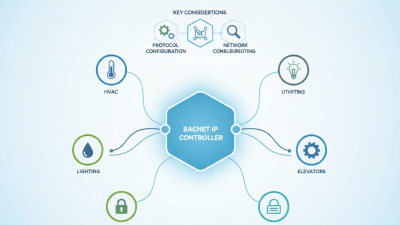
An open source BACnet controller is useful when a building needs flexible, inspectable automation. It can coordinate air-handling units, pumps, lighting schedules, meters, and room sensors. In a small office, one controller can adjust ventilation using occupancy data and temperature readings. Large facilities may use several controllers across floors, mechanical rooms, and plant areas. Local control matters.
BACnet/IP fits Ethernet networks and supports fast communication between supervisory systems and field controllers. BACnet MS/TP remains practical for older devices and cost-sensitive installations. Gateways can connect BACnet systems with Modbus meters, MQTT services, or REST-based applications. This supports energy dashboards, fault alerts, and remote maintenance workflows.
However, every protocol conversion adds configuration work. Mapping errors can create misleading values.
The strongest advantage is visibility.
Engineers can review source code, test control logic, and adapt functions to unusual equipment. They can add schedules, alarms, or fallback routines without waiting for a closed vendor release. Reliable deployment still requires version control, network separation, backups, and documented commissioning. It is not effortless. In field testing, a controller may work correctly while poor point naming confuses operators. Clear documentation and realistic simulations reduce that risk. Open development improves trust, but careful maintenance remains essential.
Factors to Consider Before Choosing One
Why Choose an Open Source BACnet Controller?
Factors to Consider Before Choosing One
Choosing an open source BACnet controller requires more than checking its purchase price. During commissioning work, I have seen attractive prototypes fail because their documentation was incomplete. Look for clear protocol support, readable source code, and active technical discussions. Confirm that the controller handles the BACnet services your building needs, such as scheduling, alarms, trends, and device discovery. Compatibility should be tested with real field devices, not only a software simulator. Small differences can create expensive troubleshooting later.
Security also deserves careful attention. Review update procedures, user permissions, network isolation, and vulnerability reporting practices. An open codebase improves visibility, but it does not automatically provide protection. Hardware quality matters too. Check operating temperature, memory capacity, communication ports, and backup options. I once underestimated storage needs for trend data. That mistake forced an awkward redesign. It also changed how I evaluate future projects. Consider long-term maintenance, community activity, and whether qualified engineers can support the system after deployment. Cheap today can mean difficult tomorrow.
Tips: Build a small test panel before full installation. Connect one controller, one sensor, and one supervisory system. Record startup time, alarm behavior, and recovery after a network interruption. Ask who reviews code changes and how quickly issues are addressed. Keep a written acceptance checklist. Leave room for doubt; field conditions rarely match the drawing perfectly.
Why Choose an Open Source BACnet Controller?
This practical evaluation model assigns a total of 100% across the main factors to review before selecting an open source BACnet controller. Protocol interoperability covers BACnet/IP, BACnet MS/TP, object types, and services such as ReadProperty, WriteProperty, and Change of Value. Security, updateability, diagnostics, hardware compatibility, and documentation should also be verified for the specific implementation.