Who Are the Top China BACnet Over Ethernet Suppliers?
China’s building automation sector is expanding as factories, hospitals, and commercial towers demand connected control systems. Fortune Business Insights valued the global smart buildings market at approximately USD 96.96 billion in 2023. It projects strong growth through 2032. MarketsandMarkets also identifies building automation as a major driver of connected facility investment. These figures do not measure Bacnet Over Ethernet directly. They show why reliable protocol infrastructure matters.
Steven T. Bushby, a longtime BACnet standards expert associated with NIST and ASHRAE, described BACnet as “a data communication protocol for building automation and control networks.” His statement remains practical on a crowded factory floor. A controller sends temperature data across Ethernet. A gateway translates device messages. A technician checks alarms from a central workstation. Small failures can still create expensive delays.
This article examines leading China Bacnet Over Ethernet suppliers through an evidence-based purchasing lens. The comparison considers BACnet testing, BTL certification, device interoperability, Ethernet speed, cybersecurity practices, documentation, warranty coverage, and export support. Supplier reputation matters, but it is not enough. A polished catalog may hide weak commissioning assistance. Low pricing can also create longer integration work. That uncertainty deserves attention.
The strongest candidates should provide clear product specifications, test records, sample configurations, and responsive engineering support. Buyers should verify compatibility with their existing controllers and management platforms. “Top” is therefore a working judgment, not a permanent ranking. Standards evolve, product lines change, and regional service quality can vary. This guide aims to make that evaluation more concrete.

What Is BACnet over Ethernet and Why Does It Matter?
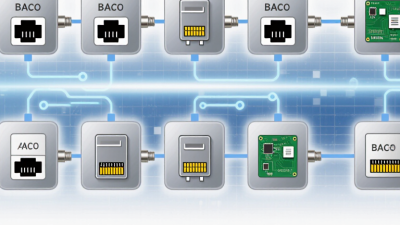
BACnet over Ethernet carries building-control messages across an Ethernet local area network. It lets controllers, sensors, and management systems exchange information using a shared protocol. A technician can trace a cable from a plant-room controller to a switch and inspect the network path. One detail matters: BACnet Ethernet and BACnet/IP are different data-link options, even though both can use Ethernet cabling. The choice affects network design, routing, and integration.
Why does it matter? Modern buildings depend on systems communicating reliably, not merely operating side by side. The International Energy Agency’s 2023 Global Status Report for Buildings and Construction says buildings account for about 30% of global final energy consumption. Better visibility into heating, ventilation, and lighting can help operators spot schedules or equipment that waste energy. But a protocol alone does not guarantee savings. Poorly documented devices, mismatched configurations, and network congestion can still create trouble.
Tips: Check device profiles, addressing, and switch capacity before installation. Test communication during commissioning, then keep a clear point list. It sounds simple. It often isn’t. Even experienced teams can overlook naming conventions, so review them before a building grows.
How to Evaluate China-Based BACnet over Ethernet Suppliers
How to Evaluate China-Based BACnet over Ethernet Suppliers
A capable supplier should prove interoperability, not just list BACnet over Ethernet in a catalog. Ask for a current Protocol Implementation Conformance Statement and test records for the exact controller model. Confirm supported services, object types, firmware versions, and Ethernet speeds. Then request a live demonstration: read a temperature point, change a setpoint, and verify alarms across devices from different manufacturers. Small details matter.
The International Energy Agency reported that buildings accounted for about 30% of global final energy consumption in 2022. That makes dependable control and useful energy data important—not merely low unit prices. Evaluate network security practices, firmware update procedures, production traceability, and technical support response times. Request references for comparable projects, plus a sample wiring diagram and commissioning checklist. Compare warranty terms and spare-part availability in writing. A polished datasheet alone proves little.
Tips: Ask the supplier to explain a failed-device scenario. Who diagnoses it, how quickly, and what logs are available? Check whether the proposed gateway or controller creates a single point of failure. If possible, test sample equipment on your own network before placing a large order. It may feel slow. It can prevent costly surprises.
Which China Suppliers Lead the BACnet over Ethernet Market?
China’s leading BACnet-over-Ethernet suppliers are better judged by engineering evidence than by broad export claims. The IEA’s 2023 Buildings report estimates that buildings used about 30% of global final energy in 2022. That makes dependable building controls commercially important. Yet public reports rarely provide audited rankings specifically for Chinese BACnet suppliers.
Look for suppliers whose controllers support BACnet/IP and whose documentation clearly states device profiles, object lists, and network limits. Independent BACnet Testing Laboratories certification can provide useful evidence of protocol conformance. Ask for test records, sample points lists, and references from comparable projects. Then check whether local teams can troubleshoot packet loss, addressing conflicts, and commissioning delays. Details matter.
A strong supplier should also explain how its equipment connects with third-party building management systems, rather than promising effortless integration. The IEA data describes the building-sector opportunity, not supplier market share, so it cannot identify a definitive leader. A polished catalogue is not enough. Field performance is harder to verify, and buyers should request a live demonstration using their own network conditions. That check can feel tedious, but it often reveals gaps early.
How Do Their Products Compare in Features and Compatibility?
For BACnet over Ethernet, the key difference between suppliers is not the protocol label, but how their devices behave on a live network. Compare supported BACnet/IP services, object types, and device limits. A controller that exposes the points your building needs can reduce custom integration work. Check its PICS document and, where relevant, independent BACnet testing records. Details matter.
Compatibility also depends on network setup. Ask whether products support BBMD configuration for traffic across subnets, and whether they can coexist with existing BACnet routers and management software. If the site includes older MS/TP equipment, verify gateway limits and point mapping before purchase. A practical trial helps: connect one controller, read its temperature and alarm objects, then test writes and network recovery. Watch for duplicate device IDs and mismatched units. Small issues can slow commissioning.
Compare diagnostics, firmware update methods, and access to technical support, too. Clear packet logs can make a dropped broadcast easier to trace. Some product sheets are detailed; others leave important questions unanswered. That is not always obvious until testing starts. Ask suppliers for a sample configuration and confirm compatibility against the exact software version used on site. A tidy demo network may not reveal every field condition.
What Should Buyers Consider Before Choosing a Supplier?
Before choosing a China-based BACnet over Ethernet supplier, confirm the exact protocol implementation. BACnet Ethernet and BACnet/IP are distinct data-link options. Ask for the product’s Protocol Implementation Conformance Statement, supported services, device profiles, and any independent conformance test results. Paper claims are not enough. Test a sample device with your existing controllers and supervisory software.
Check practical details too: Ethernet speed and port configuration, addressing, diagnostics, firmware updates, spare-part availability, and technical support hours. Request wiring diagrams and a clear commissioning procedure. A supplier should explain how its device handles timeouts, restarts, and network interruptions. Watch a live demonstration. A polished datasheet can still leave gaps.
The scale of building operations makes reliability worth checking closely. The U.S. Energy Information Administration’s 2018 Commercial Buildings Energy Consumption Survey reported that U.S. commercial buildings used about 6.8 quadrillion Btu of energy. That figure is not a BACnet performance measure, but it shows why dependable building controls matter. Ask suppliers for documented interoperability tests and realistic delivery lead times. Also confirm who investigates faults after installation. This part is often vague, and buyers should say so.