xzcChinese
Inquiry
Form loading...

Top 10 BACnet Over Ethernet Types for Global Buyers?

Global buyers comparing the Top 10 BACnet Over Ethernet types need more than a list of protocol names. They need to know what will work across existing controllers, switches, and building-management software. A gateway that fits neatly in a control cabinet can still create delays if its network settings or device profiles do not match the project.

The technical baseline is clear. ASHRAE Standard 135 defines BACnet, while ISO 16484-5 recognizes it as a building-automation communication protocol. These standards provide a stronger reference point than vendor shorthand. BSRIA’s building-automation market research also reflects a practical buying reality: product selection depends on system compatibility and project requirements, not protocol labels alone. Steven T. Bushby, a longtime NIST researcher in building controls, has emphasized BACnet’s goal of enabling interoperability among products from different manufacturers. That is the right lens for comparing BACnet/IP, BACnet Ethernet, and newer secure options. Still, interoperability is not automatic.

This guide compares ten relevant types and configurations through the details buyers can verify: supported media, device discovery, security features, and integration requirements. Picture a plant-room controller communicating through a managed switch, while a rooftop unit sits on a separate subnet. Small differences in routing, firmware, or vendor implementation can matter. A ranked list cannot replace a site test. That limitation deserves attention, even when the product sheet looks convincing.
Top 10 BACnet Over Ethernet Types for Global Buyers?

Understanding BACnet Communication Over Ethernet

Top 10 BACnet Over Ethernet Types for Global Buyers

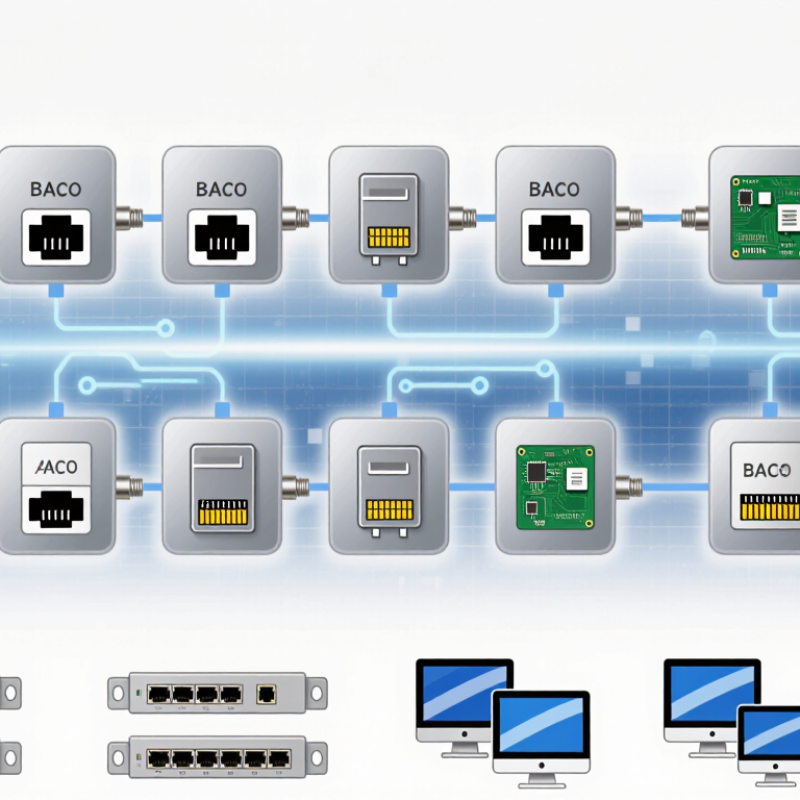
Understanding BACnet communication over Ethernet starts with the network layer. BACnet/IP uses UDP, commonly through port 47808, to exchange building data across Ethernet networks. BACnet Ethernet sends BACnet frames directly through IEEE 802.3 networks, without relying on IP. BACnet/SC carries BACnet messages over secure WebSocket connections and uses TLS for stronger protection.

The ten practical forms include BACnet/IP, BACnet Ethernet, BACnet/SC, routed BACnet/IP, BBMD communication, foreign-device registration, VLAN-separated BACnet/IP, redundant Ethernet paths, MS/TP-to-Ethernet gateways, and Ethernet-connected supervisory controllers. Each form solves a different field problem. Gateways help older controllers communicate with modern Ethernet systems. BBMDs support communication across subnets. Foreign-device registration can extend access beyond the local broadcast domain.

Details matter.

During commissioning, I have seen devices appear online but fail to share schedules. Incorrect subnet settings, blocked UDP traffic, duplicate device identifiers, and poor broadcast planning often cause this behavior. A clean cable test proves very little. Buyers should check packet flow, network segmentation, time synchronization, and device documentation before approval. BACnet/SC can improve security, but it also requires certificate management and compatible infrastructure. That operational burden is easy to underestimate. A technically correct design may still become difficult for maintenance teams. Testing with real alarms, trends, and writable points reveals weaknesses that a simple discovery test may miss.

The Main BACnet Ethernet Network Types

Top 10 BACnet Over Ethernet Types for Global Buyers

The main BACnet Ethernet network types differ by transport method, security, and physical access. BACnet/IP over copper Ethernet remains common in building controllers and supervisory servers. BACnet/IP over fiber suits long runs between control rooms and remote buildings. BACnet/IP over Wi-Fi supports mobile equipment, but radio interference needs careful testing. BACnet/IP over VLANs separates automation traffic from office systems.

BACnet/IP over routed networks connects different subnets through managed gateways. BACnet/SC over Ethernet adds encrypted WebSocket communication and certificate-based access. BACnet/SC over fiber improves backbone reliability across large sites. BACnet over IPv6 supports modern routed infrastructure where IPv6 is required. BACnet Ethernet using ISO 8802-3 provides direct Ethernet data-link communication. BACnet/IP through a secure VPN can connect approved remote facilities.

Not every item above is a separate BACnet data-link standard. Some describe cabling, routing, or security deployment. This distinction matters during procurement. I have seen projects specify “Ethernet BACnet” without naming the required protocol. That phrase creates avoidable compatibility risks. Check the device protocol statement, port speed, VLAN support, addressing method, and certificate requirements. Confirm whether the controller needs broadcast management or a dedicated routing service. Fiber may reduce electrical noise, yet it requires compatible transceivers and trained installers. Wi-Fi can look convenient. It may perform poorly near metal equipment.

A practical commissioning test should capture traffic under normal and peak conditions. Verify discovery, alarm delivery, time synchronization, and restart behavior. Also test a failed network link. Small omissions can become expensive. Some specifications still treat security as optional, which deserves reconsideration. Availability, maintainability, and documented interoperability should guide global purchasing decisions.

How BACnet Ethernet Options Differ in Performance and Compatibility

BACnet over Ethernet is not one uniform connection method. Its performance depends on the protocol layer, network design, and device support.

BACnet/IP is widely used on switched Ethernet networks. It supports fast discovery, larger installations, and routing between building systems. Copper cabling is affordable, while fiber improves distance and resistance to electrical interference. Yet BACnet/IP may require careful broadcast management across routers and VLANs. Small networks can appear simple. They often are not.

BACnet Ethernet uses direct Ethernet frames and can deliver efficient local communication. However, newer controllers may support BACnet/IP but not this older option. BACnet Secure Connect runs over standard IP networks and adds encrypted, certificate-based communication. It can improve security across routed networks, but commissioning requires stronger technical preparation. Wireless Ethernet bridges may reduce cabling costs, although interference and unstable latency can affect alarms or trend updates. IPv4 remains common, while IPv6 compatibility varies between devices and software tools.

Global buyers should compare confirmed protocol support, maximum device counts, discovery behavior, routing methods, and diagnostic tools. Ask for a protocol implementation statement, not only an Ethernet label. Test mixed equipment in a small lab before shipment. Field commissioning often exposes details missed in a quotation, such as duplicate network identifiers or blocked broadcast traffic. The practical choice is rarely the fastest option alone. Compatibility usually matters more.

Key Factors for Global Buyers Choosing a BACnet Ethernet Type

Global buyers should compare BACnet Ethernet types by network fit, not by protocol labels alone. BACnet/IP uses standard Ethernet and IP networks, making it practical for large buildings and multi-site systems. BACnet Ethernet can suit smaller, isolated networks, but it may require more careful infrastructure planning. BACnet Secure Connect adds encrypted communication for modern networks, especially where remote access and cybersecurity controls matter.

Check the existing switches, routers, VLAN design, and IP addressing plan before purchasing controllers. A system with many devices may need broadcast management, such as BBMD support or suitable routing. This detail is easy to overlook. It can cause slow discovery and confusing commissioning delays. Ask whether each device supports the required BACnet services, including read, write, alarm, trend, and schedule functions. A product with broad claims may still lack an important service.

Global projects also need local technical support, clear documentation, firmware procedures, and replacement availability. Confirm operating temperature, enclosure protection, and power requirements for the installation site. Standards compliance should be supported by test records, not only sales language. Low initial cost can be misleading. Network labor and troubleshooting often cost more than the hardware. In practice, buyers should request a small interoperability test before a full order. Test it under realistic traffic. This step may expose addressing gaps, weak documentation, or unexpected software limits before they affect a complete building system.

Installation, Interoperability, and Security Considerations

BACnet over Ethernet includes BACnet/IP, classic BACnet Ethernet, and BACnet Secure Connect. Each option needs a clear installation plan. Use Cat5e or better cabling, managed switches, and labeled patch panels. Keep controllers on a dedicated VLAN when possible. During commissioning, I verify IP addresses, subnet masks, gateways, and UDP port 47808. A small addressing mistake can silence an entire floor.

Interoperability depends on more than shared BACnet language. Check each device’s PICS, BIBBs, supported object types, property limits, and alarm behavior. Test read, write, trend, schedule, and change-of-value functions before handover. Global projects often combine equipment from different regions, so time zones and unit settings deserve attention. I have seen a system pass basic point checks but fail during holiday scheduling. Documentation was the weak point.

Security should be designed before devices reach the switch. Restrict routing between building networks, disable unused services, and control engineering access with individual credentials. BACnet/IP broadcasts may require BBMD planning, while BACnet Secure Connect can provide encrypted communication with certificate management. Certificates need renewal procedures, not just initial installation. Physical ports also matter; an unlocked cabinet can defeat strong network controls. I still find this overlooked on rushed projects. Layered testing, updated drawings, and recorded firmware versions make later troubleshooting more reliable.