2026 Best Guide for Bacnet to Modbus TCP Solutions?
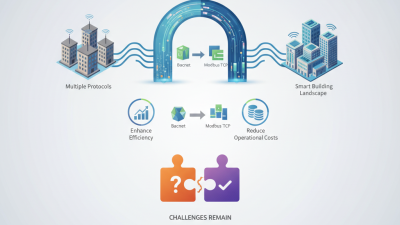
In the evolving landscape of building automation, understanding the connection between Bacnet to Modbus TCP is crucial. This protocol bridge enables seamless communication between diverse systems. Many industries rely on such integrations for efficiency and interoperability.
Bacnet is renowned for building management, while Modbus TCP excels in industrial automation. However, the integration process isn't always straightforward. Users often face challenges, such as compatibility issues and configuration complexities. Yet, addressing these hurdles is vital for achieving optimal performance.
As we explore the 2026 Best Guide for Bacnet to Modbus TCP Solutions, expect insights from industry experts. These insights will help you navigate potential pitfalls effectively. Building a reliable infrastructure is not just about technology. It requires a deep understanding of user needs and system capabilities. This guide aims to empower users with knowledge to enhance their automation systems.

Bacnet and Modbus TCP: A Comprehensive Overview of Protocols
Bacnet and Modbus TCP are two widely used communication protocols in industrial automation. Bacnet, primarily designed for building automation, offers flexibility in managing HVAC systems, lighting, and security. It supports various data types, making it versatile for different applications. Modbus TCP, on the other hand, is simpler and focuses on the communication between industrial devices. It excels in its straightforward architecture and ease of integration.
Understanding the differences between these protocols is crucial. Bacnet emphasizes interoperability and can support complex systems. However, its comprehensive feature set might overwhelm smaller setups. Modbus TCP is often preferred for smaller applications due to its simplicity. Yet, it might lack the advanced functionality that larger systems require. This discrepancy raises questions about efficiency and scalability when integrating both protocols.
In practice, many systems need both protocols to interact seamlessly. This is where solutions for translating Bacnet to Modbus TCP come into play. These solutions bridge the communication gap between different devices. They enable data sharing and control in a mixed environment. Careful consideration of system requirements is vital to choose the right integration method. Balancing performance with complexity can be challenging in these scenarios.
Key Features and Benefits of Bacnet for Building Automation Systems
Bacnet plays a vital role in building automation systems, enhancing efficiency and interoperability. It facilitates seamless communication among various devices. According to a recent industry report, around 40% of building automation systems utilize Bacnet protocols for their scalability and integration capabilities.
One key feature of Bacnet is its open standard nature. This allows for flexibility in selecting hardware and software solutions. Many professionals appreciate that Bacnet supports a wide range of devices. The integration between Bacnet and Modbus TCP further enhances functionality. The compatibility between these protocols allows for improved data sharing across systems, making it easier for operators to collect and analyze data.
Despite its advantages, challenges remain. Not all Bacnet devices seamlessly connect. Integrating older devices can be cumbersome. Optimization of settings may be necessary. However, when implemented correctly, Bacnet significantly contributes to energy savings. Studies indicate buildings using Bacnet can achieve up to 30% energy efficiency improvements. The continued evolution of Bacnet is key for future-proofing building systems and meeting sustainability goals.
2026 Best Guide for Bacnet to Modbus TCP Solutions
| Feature |
Description |
Benefits |
| Protocol Interoperability |
Bacnet and Modbus TCP provide seamless communication between various building automation systems. |
Enhances system integration and flexibility in multi-vendor environments. |
| Scalability |
Supports a wide range of devices and configurations, from small to large installations. |
Allows easy expansion of systems as needs grow without significant redesign. |
| Real-time Data |
Offers real-time monitoring and control over building systems. |
Improves efficiency and response time to changes in environment conditions. |
| Cost-effectiveness |
Utilizes existing network infrastructure, reducing additional hardware costs. |
Decreases overall project expenses and increases return on investment. |
| Ease of Use |
User-friendly interfaces for monitoring and controlling systems. |
Minimizes training time for staff and enhances operational effectiveness. |
Understanding Modbus TCP: Applications and Industry Standards
Modbus TCP is a communication protocol widely used in industrial settings. Its straightforward design makes it ideal for connecting intelligent devices. This protocol allows different equipment to exchange data over Ethernet networks. As industries evolve, the need for reliable and efficient communication grows. Modbus TCP serves various applications, from factory automation to energy management.
In terms of industry standards, Modbus TCP is often appreciated for its simplicity. Standard implementation makes integration easier between devices from different manufacturers. This interoperability is crucial for systems that depend on seamless communication. However, not all devices support this protocol. Users must verify compatibility before deployment. The limitations can impede efficiency, leading to unexpected issues.
Understanding Modbus TCP requires a thorough grasp of its operational mechanics. Users can face challenges, such as data handling and network congestion. These issues can lead to latency in communications. Keeping an eye on network performance is vital. Continuous evaluation helps in identifying potential bottlenecks. Taking a proactive approach can streamline operations and enhance reliability in system performance.
Integration Strategies for Bacnet and Modbus TCP in IoT Solutions
Integrating BACnet with Modbus TCP in IoT ecosystems presents both opportunities and challenges. BACnet, a communication protocol for building automation systems, suits HVAC and lighting controls. In contrast, Modbus TCP, a widely used protocol in industrial settings, excels in equipment monitoring. Combining these protocols can enhance data flow and operational efficiency.
Another study indicates that over 30% of IoT systems rely on multi-protocol integration. This integration allows devices to communicate seamlessly. Yet, achieving compatibility can present hurdles. Variability in data formats and communication standards may cause discrepancies. Recognizing these issues is crucial for effective integration.
Tips: Ensure your devices support both protocols. Regular testing during integration helps identify potential issues early. Consider using common gateways or middleware solutions. Such tools can facilitate smoother communication between BACnet and Modbus TCP.
When integrating these protocols, device limitations might require adjustments. Not all equipment supports both BACnet and Modbus seamlessly. Assessing device capabilities before diving into integration is vital. Alternatively, investing in upgradeable technology may provide a long-term solution without immediate constraints.
Future Trends in Bacnet to Modbus TCP Communications and Interoperability
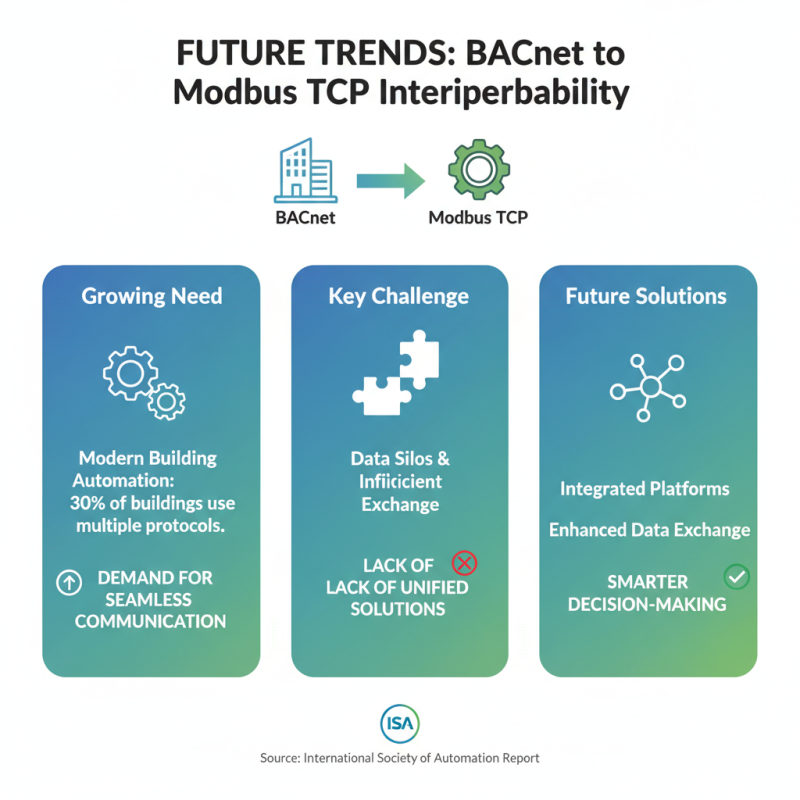
The integration of BACnet and Modbus TCP is becoming increasingly essential for modern building automation. According to a recent report by the International Society of Automation, around 30% of buildings are using multiple communication protocols. This creates a pressing need for effective interoperability solutions. As industries evolve, the demand for seamless communication between BACnet and Modbus TCP will grow significantly. Companies now rely on accurate data exchange for smarter decision-making.
Future trends suggest that the focus will shift towards enhancing interoperability. A study from the Building Automation Industry Association indicates that up to 50% of legacy systems may need upgrades to facilitate this integration. The push for IoT compatibility and cloud-based solutions is driving this change. Businesses are eager to adopt standards that simplify integration processes. Yet, challenges remain. Many systems still operate in silos, limiting real-time data access.
As this landscape evolves, organizations need to rethink their strategies. Successfully bridging the gap between BACnet and Modbus TCP requires careful planning. Each implementation must consider current infrastructure and future scalability. Exploring modular solutions can mitigate risks and create a smoother transition toward advanced communication systems.