What is a DDC Controller for AHU and How Does It Work?
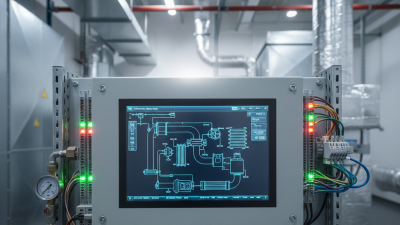
In the world of HVAC systems, the DDC Controller for AHU plays a pivotal role. These controllers manage and optimize the operation of air handling units (AHUs), ensuring optimal indoor air quality and energy efficiency. According to John Smith, a leading engineer in the HVAC industry, "A robust DDC Controller for AHU can significantly reduce energy consumption while maximizing comfort."
DDC, or Direct Digital Control, offers precise control over various functions within the AHU. This technology has evolved over the years, becoming an essential component in modern buildings. It allows for real-time monitoring and adjustments to factors like temperature, humidity, and air flow. Yet, while this technology boasts remarkable advantages, it also presents challenges. Integrating and programming these systems can often be complex and requires skilled professionals.
The reliability of a DDC Controller for AHU directly impacts both performance and user satisfaction. Investing in a quality system is crucial. However, professionals must remain mindful that over-reliance on technology could lead to neglect of routine maintenance or manual oversight. Striking the right balance is key to achieving the maximum benefits of DDC technology in HVAC systems.
What is a DDC Controller in the Context of AHU?
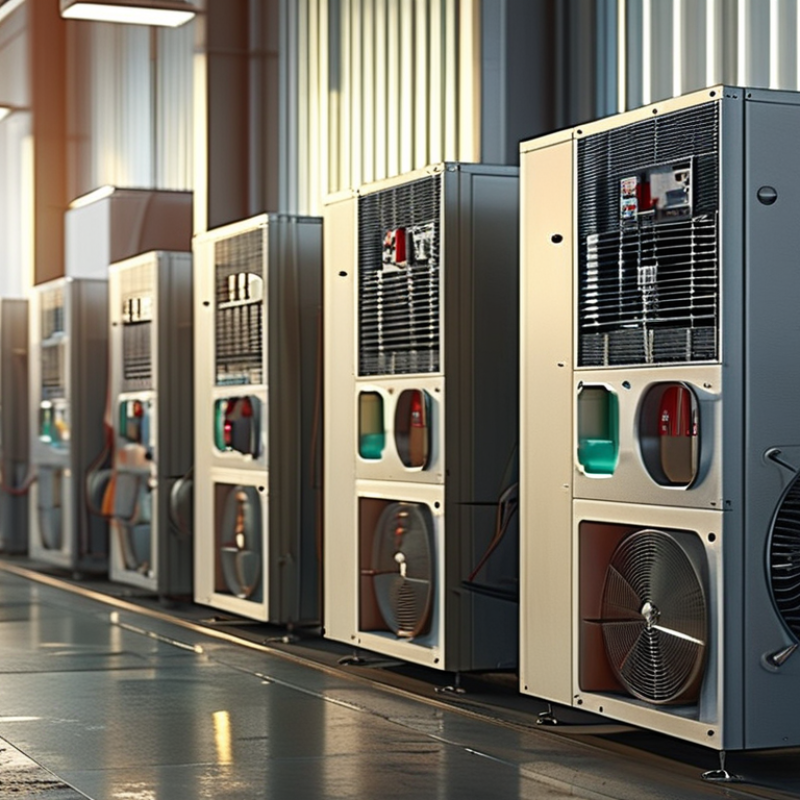
A DDC controller, or Direct Digital Control controller, plays a crucial role in the management of AHUs, or Air Handling Units. In essence, it acts as the brain of the system, regulating factors like temperature, humidity, and airflow. By using sensors and programmable logic, the DDC controller can adjust operations in real-time, ensuring that conditions remain optimal.
The operation of a DDC controller involves continuous monitoring. Sensors detect variations in temperature and humidity, then send this data to the controller. Based on the readings, the controller can initiate actions, such as opening or closing dampers. This real-time response enhances energy efficiency. However, not all DDC systems are flawless. Issues such as sensor malfunctions or programming errors can lead to ineffective control.
Integrating a DDC controller into an AHU system requires careful consideration. Proper installation and calibration are essential for functionality. Often, facility managers may overlook the importance of routine maintenance. Neglecting this can lead to decreased reliability. Understanding the potential pitfalls can lead to more informed decisions for better building management.
DDC Controllers for AHU - Energy Consumption Comparison
This chart illustrates the energy consumption of DDC controllers in various AHU configurations over a simulated month. The data is based on typical scenarios for different air handling unit sizes.
Key Components of a DDC Controller for AHUs
A DDC (Direct Digital Control) controller plays a crucial role in managing air handling units (AHUs). The key components of a DDC controller typically include sensors, actuators, control algorithms, and a user interface.
Sensors gather data from the environment. Temperature, humidity, and air quality sensors are common. They provide real-time information, helping adjust the system for optimal performance. Actuators are the mechanical components that respond to commands from the controller. They adjust dampers, valves, and other elements to regulate airflow and temperature.
Control algorithms interpret the data received from sensors. They help determine the required actions and coordinate the system components. An effective user interface allows operators to monitor performance and make adjustments easily.
Tips: Regular maintenance of sensors ensures they function correctly. Calibrate them periodically to avoid misreadings. Additionally, always check actuator responsiveness. A slight delay could lead to temperature imbalances. When optimizing the algorithm, be open to tweaking parameters for improved efficiency. It’s essential to remain proactive about these components to maintain reliability in your AHU system.
How DDC Controllers Regulate Air Handling Units
DDC controllers play a crucial role in regulating air handling units (AHUs). These advanced devices use digital technology to control various systems within an AHU. They manage temperature, humidity, and air quality with precision. A DDC controller continuously monitors the environment and makes adjustments based on real-time data.
By utilizing sensors, the DDC controller can detect changes in air conditions. When the temperature rises above a set point, the controller activates cooling systems. Conversely, if humidity levels increase, it can enhance ventilation. This responsive approach improves comfort and efficiency.
However, DDC systems require careful calibration. Improper settings can lead to system inefficiencies. Users must stay aware of adjustments and regularly check sensor accuracy. Each environment is unique, and what works for one may not work for another. Continuous learning and adaptation are vital for success. As we embrace technology, understanding the nuances of DDC controllers ensures optimal performance in AHUs.
The Communication Protocols Used by DDC Controllers
DDC controllers for Air Handling Units (AHUs) play a crucial role in modern HVAC systems. They manage temperature, humidity, and air quality by gathering real-time data and adjusting operations accordingly. The effectiveness of these controllers relies heavily on their communication protocols.
Common protocols include BACnet, Modbus, and LonWorks. Each has unique features suited for different applications. BACnet, for example, excels in building automation integration. Modbus is favored for its simplicity and robustness. LonWorks provides advanced networking capabilities, making it adaptable to various systems. Understanding these protocols is essential for efficient system design and operation.
Nonetheless, challenges persist. Interoperability issues can arise when integrating equipment from different manufacturers. Data latency and network congestion can impact performance. Technicians must navigate these limitations to optimize the system. Continuous learning and adapting are critical in overcoming these hurdles.
Benefits of Using DDC Controllers in HVAC Systems
DDC controllers are integral to modern HVAC systems. They offer precise control over heating, cooling, and ventilation. This technology streamlines the operation of air handling units (AHUs), leading to enhanced energy efficiency. By automating functions, DDC controllers reduce energy waste and maintain optimal indoor conditions.
One significant benefit of DDC controllers is their ability to monitor system performance in real time. They collect data on temperature, humidity, and airflow. This information allows for quick adjustments, ensuring comfort without overworking the system. Moreover, DDC controllers can identify potential issues before they escalate, reducing maintenance costs.
Using DDC controllers can enhance system reliability. Their programmable features enable tailored settings for different zones. This means each area can have its own climate control. However, not all settings may yield the desired outcome immediately. It's important to revisit and adjust these configurations periodically. Balancing efficiency with comfort requires ongoing assessment and adjustments.