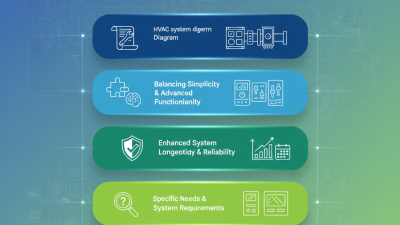
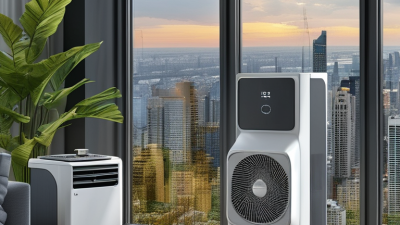
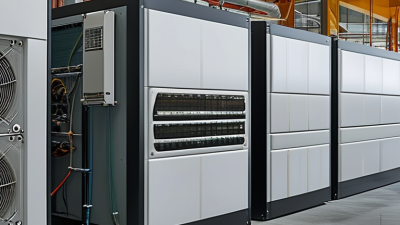
Choosing a Ddc Panel Bms is not simply a matter of comparing screen sizes, protocols, or panel prices. It affects how a building senses temperature, commands equipment, records faults, and responds to changing occupancy. A poorly selected panel may leave a chilled-water valve hunting while occupants still feel uncomfortable.
The International Energy Agency reports that building operations consumed about 30% of global final energy in 2022. The sector also produced roughly 26% of energy-related emissions. These figures make reliable control infrastructure more than a technical upgrade. It becomes an operating decision. A suitable Ddc Panel Bms should support stable HVAC control, clear alarms, trend logging, cybersecurity, service access, and future integration. However, specifications alone can mislead. A panel may appear powerful while its sensors are poorly located or its sequences remain untested.
David E. Claridge, a building energy-performance specialist and professor at Texas A&M University, has stated, “The greatest potential for energy savings in existing buildings is in the operation of the building.” That observation remains practical. Good operation depends on usable data, trained technicians, and commissioning after installation. The following seven tips examine those details, from protocol compatibility and point capacity to maintenance, lifecycle cost, and energy reporting. Some choices will still require judgment. No panel can correct every design mistake. Yet a disciplined selection process can prevent expensive surprises behind the control cabinet door.
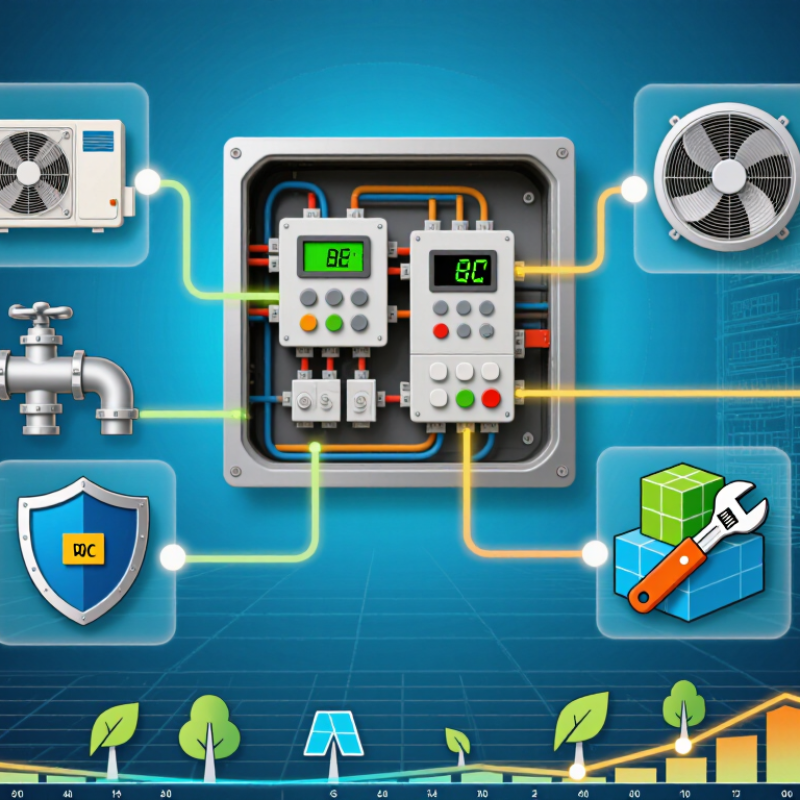
A DDC panel is the local decision-maker within a building management system. It receives data from temperature, pressure, humidity, and occupancy sensors. Then, it adjusts equipment through programmed control logic. This may include valves, dampers, fans, pumps, and lighting interfaces. Good selection starts with the actual control function, not the panel’s appearance.
Check the required input and output points carefully. Leave practical space for future sensors and equipment. Confirm communication protocols between field devices, controllers, and the central management platform. A panel should support alarms, schedules, trend logs, and manual override functions. Local control also matters when the network connection fails. The building should not become blind because one server is unavailable.
Review enclosure protection, power requirements, heat release, and service access. A crowded panel creates wiring errors and slows maintenance. Ask whether technicians can identify terminals without guessing. Cybersecurity deserves attention too, including user permissions, secure updates, and network separation.
During commissioning, test normal operation and failure conditions. Pull a sensor wire. Observe the response. I have seen well-designed systems fail because nobody tested a stuck valve or incorrect sensor range. That weakness is easy to miss, but it affects comfort, energy use, and equipment life.
A clear point list, tested sequences, and accurate documentation make the DDC panel dependable in daily operation.

Choosing a DDC panel BMS starts with the building’s existing HVAC and control infrastructure. A technically advanced panel may still fail if it cannot communicate with older equipment.
During a site assessment, inspect controller protocols, network topology, input types, and available control points. Confirm whether the system uses BACnet, Modbus, or hardwired signals. Do not rely only on drawings. Field wiring often differs from outdated documentation.
Check voltage ranges carefully. A damper actuator may require 24 VAC, while a pressure sensor may provide a 0–10 V signal. Mixing signal types can damage equipment or create unstable control. Review valve positions, fan interlocks, alarm circuits, and emergency shutdown sequences before selecting the panel.
Point mapping deserves close attention. List every sensor, command, status, and alarm needed for daily operation. Then compare that list with the proposed panel’s capacity. Leave spare points for future changes, but avoid paying for excessive capacity without a clear reason.
Network integration also matters. Verify addressing rules, communication speed, cable conditions, and supervisory software compatibility. A panel can pass laboratory tests yet perform poorly on a congested building network. That happens more often than expected.
Ask the controls contractor to demonstrate live data exchange before installation. Test temperature trends, start-stop commands, alarm acknowledgements, and loss-of-communication responses. A short simulation can expose major compatibility problems early. Do not assume every legacy controller will cooperate. Some will need gateways, rewiring, or replacement. That extra work should appear in the budget and schedule.
| Tip | Compatibility Dimension | What to Verify | Recommended Assessment Method | Practical Acceptance Indicator | Potential Risk if Overlooked |
|---|---|---|---|---|---|
| 1 Map Existing Systems | HVAC equipment and control architecture |
Existing air-handling units, rooftop units, chillers, boilers, pumps, fans, and terminal units
Current controllers, sensors, actuators, supervisory workstations, and network panels
Control sequences, point lists, alarm priorities, and operating schedules
|
Review as-built drawings, panel schedules, control schematics, sequence-of-operation documents, and an on-site equipment inventory. | Complete point and equipment register | Hidden field devices, undocumented logic, and incomplete integration scope can lead to change orders and commissioning delays. |
| 2 Confirm Protocol Support | Open communication and data exchange |
Required protocols, such as BACnet/IP, BACnet MS/TP, Modbus TCP, Modbus RTU, or native hardwired I/O
Read, write, command, alarm, trend, and schedule capabilities
Supported baud rates, network topology, device limits, and gateway requirements
|
Compare the panel's published protocol capabilities with the installed equipment network and test representative devices before full deployment. | Two-way communication verified | One-way or unreliable data exchange may prevent effective monitoring, alarming, scheduling, or automatic control. |
| 3 Match I/O Requirements | Physical input and output compatibility |
Quantity and type of universal, digital, analog, pulse, thermistor, and resistance inputs
Output voltage, current, relay ratings, floating-point control, and proportional control requirements
Signal ranges, including common 0–10 VDC and 4–20 mA applications
|
Create an I/O schedule for every controlled and monitored point, then compare it with panel capacity and signal specifications. | All points have compatible channels | Incorrect signal types can produce inaccurate readings, actuator damage, unstable control, or costly interface modules. |
| 4 Check Network Infrastructure | Building network and cybersecurity readiness |
Available Ethernet ports, RS-485 segments, cable types, IP addressing, VLANs, and network capacity
Routing, firewall rules, remote access controls, and time synchronization requirements
Segmentation, user authentication, backups, firmware management, and secure service procedures
|
Coordinate with the facility IT team and perform a network readiness review before panel installation or software configuration. | Approved network and security plan | Address conflicts, blocked ports, poor segmentation, or unsupported remote access can interrupt integration and increase cyber risk. |
| 5 Evaluate Power and Panel Conditions | Electrical, environmental, and enclosure compatibility |
Available supply voltage, circuit capacity, overcurrent protection, grounding, and surge protection
Panel space, terminal capacity, heat dissipation, access clearance, and cable entry requirements
Ambient temperature, humidity, dust, vibration, and enclosure protection requirements
|
Inspect the existing control panel and electrical room, verify measured conditions, and compare them with the proposed panel specifications. | Safe installation conditions confirmed | Insufficient power, heat buildup, moisture, or limited enclosure space can cause nuisance faults and shorten equipment life. |
| 6 Preserve Control Sequences | Functional and operational compatibility |
Occupied and unoccupied schedules, optimum start, lead-lag rotation, and equipment interlocks
Temperature, pressure, humidity, freeze protection, smoke control, and safety shutdown logic
Manual overrides, fallback modes, alarm routing, and local-versus-supervisory control priorities
|
Convert existing sequences into a written functional design specification and conduct a point-to-point and functional performance test. | Sequences operate as documented | Replacing undocumented logic may cause comfort problems, excessive energy use, unsafe operation, or conflicts between local and central controls. |
| 7 Plan Integration and Lifecycle Support | Expansion, maintenance, and long-term operability |
Spare I/O capacity, network expansion limits, software licensing, and future equipment additions
Trending intervals, data retention, alarm history, user permissions, and reporting requirements
Documentation, training, replacement strategy, backups, and service access for qualified technicians
|
Review the proposed bill of materials, lifecycle support plan, training deliverables, backup procedure, and commissioning documentation. | Documented, testable, and expandable system | A system that works initially but lacks spare capacity or support procedures can become expensive and difficult to maintain. |
Choosing a DDC panel BMS requires more than counting terminals. The IEA’s Buildings 2023 report estimates that buildings consume about 30% of global final energy. Control accuracy matters.
Start with the point list. Count present sensors, actuators, alarms, and spare channels. A panel with 10% spare I/O may become restrictive after one renovation. Analog ranges also deserve attention. A 0–10 V output cannot replace every 4–20 mA signal. Check resolution, isolation, relay ratings, and sensor compatibility. Keep a written I/O schedule. Memory helps.
Communication can decide the project’s future. Verify support for BACnet/IP, BACnet MS/TP, Modbus TCP/RTU, MQTT, or other required protocols. Confirm object limits, polling speed, gateway needs, and alarm handling. A protocol listed in a brochure proves little. Test real devices in a small pilot. The U.S. Department of Energy’s 2018 CBECS counted roughly 6.2 million commercial buildings in the United States, many with mixed-age equipment. Interoperability is therefore practical, not theoretical. Expansion should include controller memory, network capacity, power supply headroom, and modular I/O. Leave physical space for another module. I have seen panels with enough terminals but no room to install them. Cybersecurity also needs review. Use role-based access, encrypted connections where supported, secure backups, and documented firmware procedures. The cheapest panel can become expensive. A final mistake is ignoring maintenance skills. Choose a system technicians can diagnose with ordinary tools and clear documentation.
7 Tips for Choosing a DDC Panel BMS
Tip 1: Demand flexible programming. The controller should support reusable logic, editable sequences, clear point naming, and secure version control. Ask for a complete backup before commissioning. Tip 2: Test real operating conditions, not only factory demonstrations. Simulate sensor failure, network loss, power recovery, and manual overrides. A perfect test plan is unrealistic, but missing these cases is costly. Tip 3: Check reliability details. Look for watchdog functions, local fallback control, alarm buffering, and documented recovery times. The 2024 Annual Outage Analysis from Uptime Institute reported that serious outages often create substantial financial impact, making recovery design essential.
Tip 4: Treat cybersecurity as a control requirement. NIST Cybersecurity Framework 2.0 supports governance, identification, protection, detection, response, and recovery. Require unique accounts, least-privilege access, encrypted connections, network segmentation, and detailed event logs. Tip 5: Review patching responsibilities. Ask who tests updates, who approves changes, and how failed firmware is restored. The 2024 Data Breach Investigations Report found that human involvement appeared in 68% of breaches. Simple access procedures matter.
Tip 6: Verify interoperability with existing sensors, meters, and supervisory software. A written protocol claim is not enough; perform a witnessed integration test. Tip 7: Request evidence, including factory tests, site acceptance records, backups, and staff training. I would also interview previous operators. Their complaints may reveal more than a polished specification. Shortcuts often hide there.
Recommended evaluation weighting for programming flexibility, reliability, and cybersecurity
Programming flexibility and reliability determine how effectively a DDC panel can control changing building conditions and maintain stable operation. Cybersecurity should be assessed through measures such as role-based access, secure remote connectivity, network segmentation, logging, and timely patch management. Interoperability, commissioning, scalability, and lifecycle support help reduce integration risk and long-term operating costs. The percentages represent a practical evaluation framework rather than data from any specific manufacturer.
Choosing a DDC panel BMS requires more than comparing purchase prices. The IEA’s Buildings 2023 report states that buildings consume about 30% of global final energy. Small control errors can therefore create large operating costs. Check point counts, sensor types, communication protocols, panel space, power quality, and network capacity. Confirm that the panel supports future expansion, not only today’s equipment.
Commissioning deserves special attention. Request wiring diagrams, control sequences, test records, and operator training. Ask who responds when a controller fails at 2 a.m. Support should include clear response times, spare-part availability, software updates, and local technical expertise. NIST SP 800-82 Rev. 3 recommends disciplined security controls for operational technology, so review user permissions, remote access, backups, and data ownership. Cybersecurity is often treated as an afterthought.
Calculate total cost through the system’s expected life. NIST Handbook 135 includes initial cost, energy, operation, maintenance, replacement, and residual value in life-cycle analysis. Include engineering hours, licenses, commissioning, sensors, network upgrades, and staff training. A cheap panel may become expensive after repeated service visits. A perfect forecast is impossible. I would still add a reasonable contingency and compare three scenarios: basic, expandable, and fully integrated. Ask installers to document assumptions; vague savings claims deserve skepticism.