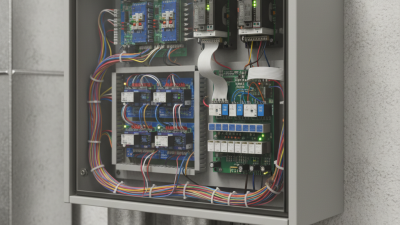
Top DDC Panel for AHU Solutions for Global Buyers
In the ever-evolving HVAC industry, the role of DDC panels for AHU systems has become increasingly prominent. According to a recent report by MarketsandMarkets, the HVAC control systems market is projected to reach $29.04 billion by 2027, emphasizing the growing demand for efficient climate control solutions. DDC panels, or Direct Digital Control panels, serve as the backbone of Air Handling Units (AHUs), providing precise control over temperature, humidity, and air quality, which is crucial for energy efficiency and building comfort.
However, as global buyers seek the best DDC panels for AHU systems, they face challenges. The market is saturated with options, yet not all panels are created equal. Buyers must consider factors like energy consumption, user interface, and integration capabilities. Many models offer advanced features but may not deliver the promised performance. It’s essential to rely on industry expertise and data-driven insights to avoid costly missteps.
As the industry continues to innovate, the significance of trustworthy vendors cannot be overstated. A reliable DDC panel for AHU can significantly impact operational efficiency and maintenance costs. Thus, understanding market trends and panel specifications is vital for informed decision-making.
Top DDC Panels: An Overview of Digital Control Systems
Digital control systems are revolutionizing the way we manage air handling units (AHUs) across various industries. Advanced Direct Digital Control (DDC) panels play a crucial role in this transition, offering precise monitoring and optimization capabilities. According to a report by Research and Markets, the market for DDC systems is expected to grow significantly, reaching USD 7.5 billion by 2025. This growth underscores the increasing reliance on digital controls for energy efficiency and operational reliability.
DDC panels provide real-time data, enabling facility managers to make informed decisions. These systems facilitate better temperature regulation and improved indoor air quality. However, the implementation of DDC technology is not without challenges. Inconsistent data integration can lead to inefficiencies, highlighting the need for thorough training and robust infrastructure. Many organizations report difficulty in fully harnessing DDC panel capabilities due to a lack of qualified personnel.
A further report by MarketsandMarkets indicates that more than 30% of projects struggle at the integration stage. This statistic serves as a reminder of the potential pitfalls in adopting advanced technologies. Stakeholders must be aware of these risks and invest in proper training to optimize the benefits of DDC systems for AHUs.
Key Features to Look for in DDC Panels for AHU Applications
When selecting a DDC panel for Air Handling Unit (AHU) applications, look for user-friendly interfaces. A simple display can make it easier for operators to monitor system performance. Intuitive controls can ease the learning curve for new staff. This aspect is often overlooked, yet it's crucial for efficient operations.
Consider the panel's compatibility with existing systems. A flexible design ensures that it can integrate smoothly with different types of HVAC equipment. The ability to connect with various data sources is vital. It allows for centralized management, making it easier to analyze performance over time.
Another key feature is energy efficiency. A quality DDC panel should be able to optimize energy usage based on real-time conditions. This not only reduces operational costs but also supports sustainability goals. However, achieving optimal performance may require tuning and adjustments after installation. Regular maintenance also plays a role in effectiveness, which is sometimes neglected. Overall, a well-chosen DDC panel can enhance AHU system performance significantly.
Top DDC Panel Features for AHU Applications
This chart illustrates the key features that global buyers should consider when selecting DDC panels for Air Handling Units (AHUs). The data compares the importance of various features based on recent market research.
Global Market Trends in DDC Panels for HVAC Solutions
The global market for DDC (Direct Digital Control) panels in HVAC systems is rapidly evolving. Increasing energy efficiency demands and smart building trends are shaping this market. Buyers are looking for solutions that not only enhance control but also integrate with new technologies. As automation becomes more prevalent, DDC panels must adapt.
Tips: Consider how well the DDC system integrates with existing HVAC components. Compatibility can make a significant difference in overall system performance.
Investing in a DDC panel requires understanding the latest innovations. Features such as cloud connectivity, remote monitoring, and advanced analytics are becoming standard. However, be cautious. The complexity of these systems can lead to misconfigurations. A poorly set up DDC can hinder performance instead of improving it.
Tips: Regular training for technicians is crucial. They need to stay updated on new technologies and best practices to effectively manage DDC systems.
Ultimately, global buyers should assess their long-term goals. The choice of a DDC panel should align with evolving market trends. As the HVAC industry embraces digital solutions, staying informed will ensure optimal investment returns.
Top Manufacturers of DDC Panels for Air Handling Units
In the realm of modern HVAC solutions, DDC panels play a crucial role in enhancing the efficiency of Air Handling Units (AHUs). These panels are essential for automation and optimal energy management in commercial buildings. Top manufacturers focus on creating reliable DDC systems, as the global HVAC controller market is projected to grow significantly, reaching approximately 29.4 billion USD by 2027. This growth emphasizes the importance of advanced technology in maintaining climate control.
Many buyers are looking for efficiency and reliability in systems. The best DDC panels often feature advanced programming options that allow for tailored solutions. They help monitor and control the performance of AHUs, providing real-time data analytics. However, it is crucial to consider installation and maintenance costs, which can vary widely across manufacturers. Investing in a high-quality DDC panel can lead to substantial energy savings over time.
When selecting a DDC panel, focus on compatibility and scalability. Panels should integrate smoothly with existing systems. Look for updated software that can adapt to evolving building needs. Regular training for staff can ensure that the system runs optimally. It's essential to engage with technical support to address any potential issues early on. This proactive approach helps maintain system longevity and efficiency, ensuring the AHU performs at its best.
Top DDC Panel for AHU Solutions for Global Buyers
| Manufacturer |
Type of DDC Panel |
Control Features |
Compatibility |
Market Region |
| Manufacturer A |
Standard DDC Panel |
Zoning Control, Temperature Regulation |
Compatible with AHUs and Chillers |
North America |
| Manufacturer B |
Smart DDC Panel |
IoT Integration, Data Logging |
Wide Compatibility |
Europe |
| Manufacturer C |
Advanced DDC Panel |
Advanced Analytics, Remote Monitoring |
Only AHUs |
Asia-Pacific |
| Manufacturer D |
Budget DDC Panel |
Basic Control, Cost-effective |
Basic System Compatibility |
Middle East |
Best Practices for Selecting DDC Panels for Environmental Efficiency
Selecting the right Direct Digital Control (DDC) panels for Air Handling Units (AHUs) is crucial for improving environmental efficiency. A report by the U.S. Department of Energy indicates that optimizing HVAC systems can lead to significant energy savings, sometimes exceeding 20%. Consequently, buyers should ensure that DDC panels have advanced control algorithms, which adjust airflow based on real-time data. This not only enhances indoor air quality but also improves energy use.
Evaluation criteria must include ease of integration and compatibility with existing systems. A significant number of HVAC failures stem from poor compatibility, causing operational inefficiencies. Technical reports often cite that up to 30% of energy consumption in commercial buildings is attributed to ineffective controls. Monitoring energy performance and building analytics can provide further insights into system behavior, paving the way for improved decision-making.
In critical environments, reliability cannot be compromised. Choosing DDC panels with robust diagnostic tools is paramount. However, even high-quality products can be prone to misconfigurations. This highlights the importance of ongoing training for staff. Many operators ignore system updates, which can lead to vulnerabilities. Regular assessments ensure that systems run optimally and adapt to evolving needs.