What is DDC Panel BMS and How Can It Benefit Your Business?
In today's rapidly evolving business landscape, energy management is critical. One solution that stands out is the DDC Panel BMS. Industry expert Jonathan Lee emphasizes, "Integrating a DDC Panel BMS can streamline operations and enhance energy efficiency." This technology provides essential tools for monitoring and controlling building systems.
Businesses can benefit significantly from a DDC Panel BMS. It allows for real-time data analysis, leading to informed decision-making. Imagine reducing energy costs while improving comfort for employees. However, the implementation may come with challenges, such as the complexity of integration with existing systems.
The adaptability of the DDC Panel BMS can revolutionize energy management practices. Many organizations still face outdated systems, missing out on potential savings. Businesses that embrace modern solutions like DDC Panel BMS position themselves for success. The journey may not be flawless, but the rewards are promising.
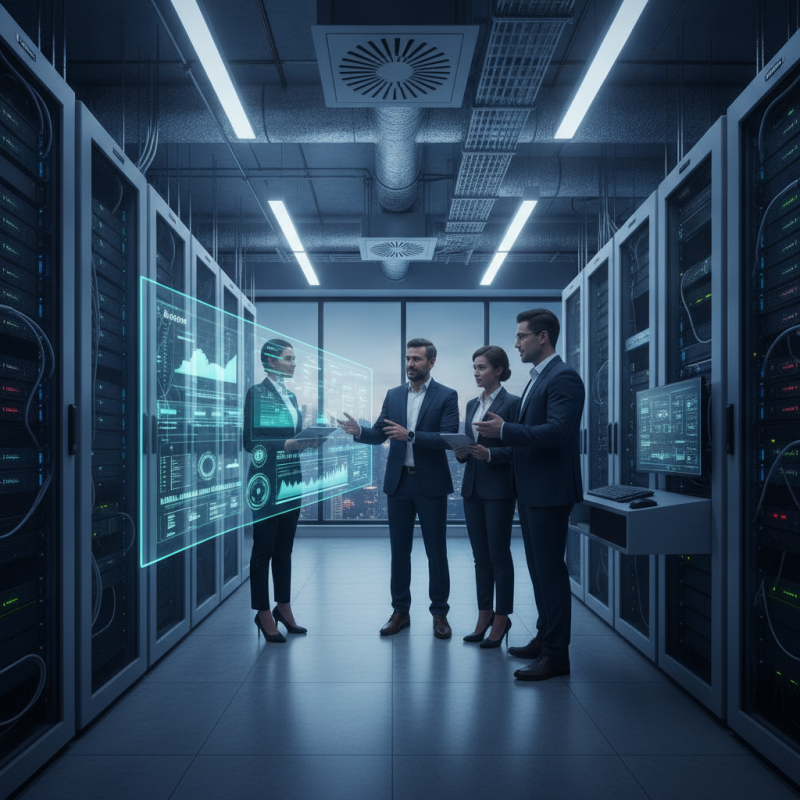
What is a DDC Panel in Building Management Systems?
In the realm of Building Management Systems (BMS), a Direct Digital Control (DDC) panel plays a crucial role. This sophisticated system allows for precise control over building functions, enhancing energy efficiency. According to a report from the U.S. Department of Energy, buildings equipped with DDC systems can reduce energy consumption by up to 30%. This is significant, considering that commercial buildings account for nearly 40% of the total energy usage in the U.S.
A DDC panel integrates various subsystems—like HVAC, lighting, and security systems—into a cohesive interface. This integration permits real-time monitoring and adjustments. A recent study revealed that implementing a DDC panel improved response times to system alerts by 50%. This quick action can prevent costly breakdowns and enhance occupant comfort.
Tip: Regularly update your DDC system. Software updates can increase efficiency and security. Neglecting this may lead to vulnerabilities and performance issues.
Maintaining a DDC system can be challenging. It requires ongoing training and adaptation. Staff might struggle with complex controls or fail to use the system effectively. Nevertheless, investing in training pays off by maximizing system benefits. Prioritize reliable training programs to overcome these hurdles.
Key Components of DDC Panels and Their Functions
DDC panels, or Direct Digital Control panels, are essential components in modern building management systems (BMS). They streamline the control of various building functions, ensuring efficient operation. One key component is the temperature sensor. It monitors indoor conditions. This provides real-time data to optimize heating and cooling systems. A well-functioning HVAC system reduces energy waste and costs.
Another critical element is the actuator. Actuators control valves and dampers based on sensor inputs. For instance, if a room is too hot, the actuator can open a vent. This precise control helps maintain comfort and reduces unnecessary energy usage. Additionally, user interfaces allow for easy monitoring and adjustments. They provide actionable insights for facility managers.
While DDC panels enhance control, the complexity can be daunting. Integrating various components requires skilled personnel. A poorly configured system may lead to inefficiencies. Regular training and updates are vital. Businesses must invest in ongoing education to harness the full potential of these systems. Engaging with professionals ensures the system evolves with technology. This approach maximizes benefits while minimizing pitfalls.
DDC Panel BMS Benefits for Business
This chart illustrates the key benefits of DDC Panel BMS across various business sectors, highlighting energy efficiency, cost savings, and improved operational control.
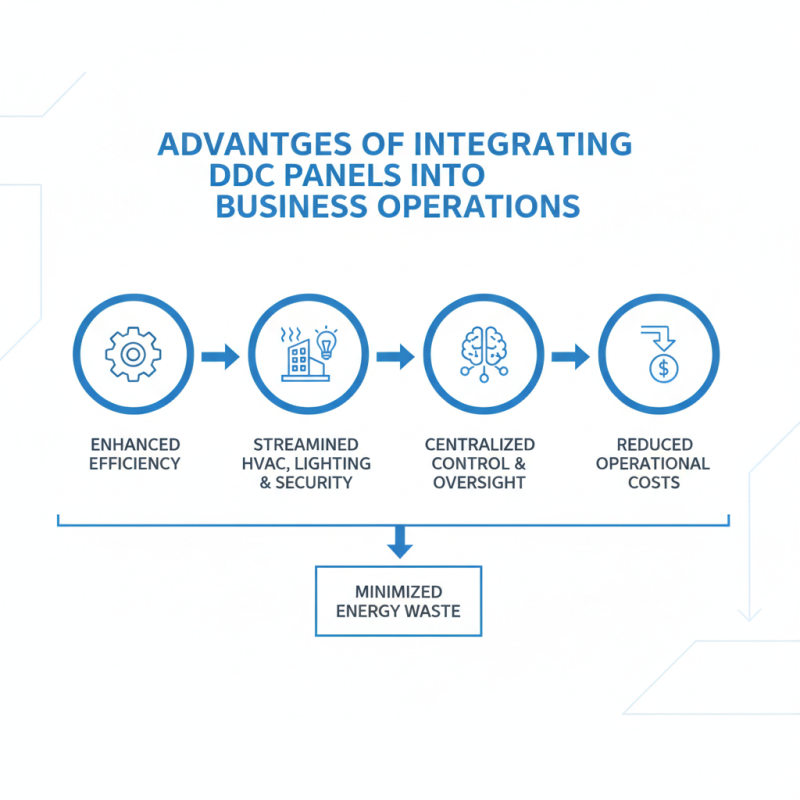
Advantages of Integrating DDC Panels into Business Operations
Integrating DDC (Direct Digital Control) panels into business operations can significantly enhance efficiency. These intelligent systems streamline the management of HVAC, lighting, and security systems. By centralizing control, businesses gain better oversight of their energy use and resource allocation. This leads to reduced operational costs, as energy waste is minimized.
DDC panels also offer real-time monitoring and data analytics. This means that businesses can identify inefficiencies immediately. For example, fluctuations in temperature can be detected and adjusted promptly. Such responsiveness ensures that equipment operates optimally, which is crucial for maintaining comfort in commercial spaces. This level of control empowers businesses to make informed decisions based on concrete data.
However, integrating DDC panels requires careful planning. Not all existing systems may be compatible. Additionally, staff training is essential to maximize the benefits. Some companies may struggle to adapt to new technologies. It's vital to assess both technical and human factors to ensure a smooth transition. Embracing DDC technology fully can transform how a business operates, but it requires diligence and commitment.
How DDC Panels Enhance Energy Efficiency and Cost Savings
DDC (Direct Digital Control) Panels are revolutionizing building management systems (BMS). They centralize control of HVAC systems, lighting, and energy consumption. By integrating data from various sensors, DDC panels allow for precise management, enhancing energy efficiency and reducing operational costs.
Reports indicate that implementing DDC systems can lead to energy savings of up to 30%. A foundation set by the U.S. Department of Energy states that efficient controls save approximately $4 billion annually in commercial building energy costs. This is significant for businesses seeking to lower their overhead.
Tips: Regularly monitor energy consumption patterns. Small adjustments can lead to substantial savings. It’s vital to ensure all sensors are calibrated. Inaccurate data may lead to poor decision-making.
With real-time data, businesses can adjust their operations promptly. By proactively managing energy usage, companies can benefit from reduced utility bills and improved sustainability metrics. However, it’s essential to continually assess system performance. Sometimes systems can become inefficient over time without proper maintenance.
What is DDC Panel BMS and How Can It Benefit Your Business?
| Dimension |
Description |
Benefits |
| Energy Monitoring |
Real-time tracking of energy consumption through DDC panels. |
Identify energy waste, optimize usage, and reduce bills. |
| Automation |
Automated control of HVAC, lighting, and other systems. |
Improve comfort levels and operational efficiency. |
| Cost Analysis |
In-depth analysis of energy costs and savings with DDC panels. |
Better budgeting and forecasting of energy expenses. |
| User Control |
User-friendly interfaces for managing building systems. |
Enhanced user satisfaction and flexibility in operations. |
| Sustainability |
Support for green technologies and methods. |
Reduce carbon footprint and enhance corporate responsibility. |
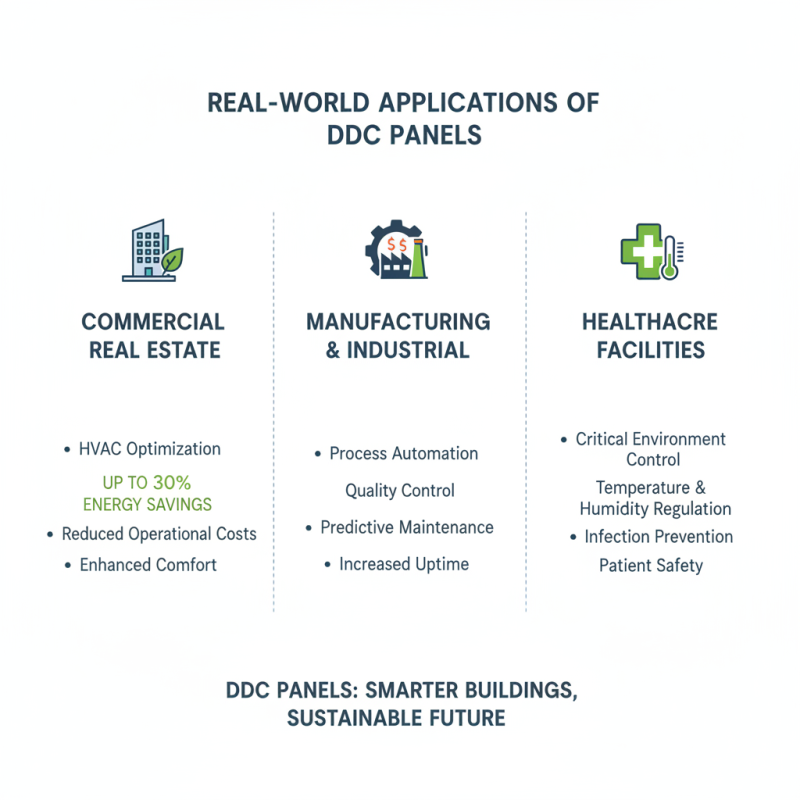
Real-World Applications of DDC Panels in Different Industries
DDC panels, or Direct Digital Control panels, are revolutionizing various industries by providing enhanced automation and control over building systems. In commercial spaces, for example, DDC panels optimize HVAC systems, resulting in energy savings of up to 30%. This significant reduction in energy costs directly impacts a company's bottom line.
In healthcare, DDC panels ensure precise environmental conditions, which are crucial for patient comfort and safety. A study from the American Society for Healthcare Engineering highlights that maintaining optimal temperature and humidity can improve patient recovery rates by 20%. This technology is also applied in manufacturing, where it helps in monitoring machinery performance. Reports indicate that this leads to a 15% increase in operational efficiency.
Tips: Regularly assess your DDC panel’s performance. Gathering feedback from staff can highlight areas for improvement. Collaborate with technical teams for better system integration. Continuous learning and adaptation can enhance your system's effectiveness over time.
In the hospitality sector, DDC panels create tailored guest experiences. By adjusting lighting and temperature based on occupancy, hotels can enhance guest satisfaction. However, relying solely on technology without considering human input can limit the system's success. Balancing automation with human oversight is essential for optimal efficiency.