How to Choose the Right Ddc Panel for Your Ahu System?
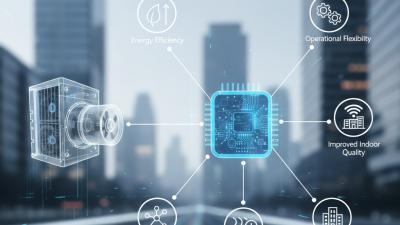
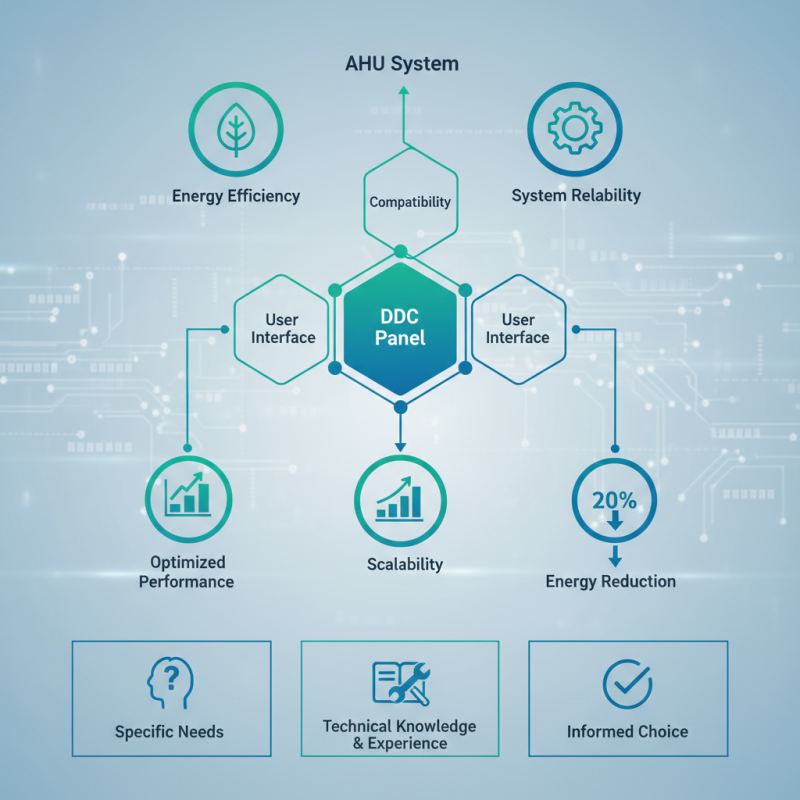
Choosing the right Ddc Panel for Ahu systems is crucial for optimizing performance. An effective Ddc panel can enhance energy efficiency and system reliability. According to a recent report by the American Society of Heating, Refrigerating and Air-Conditioning Engineers (ASHRAE), improving control systems can lead to a 20% reduction in energy consumption.
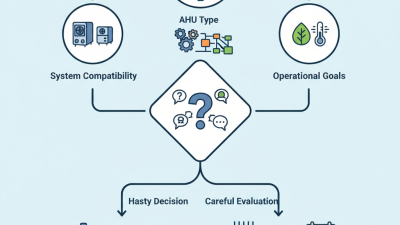
Industry experts emphasize that not all Ddc panels are created equal. Some may lack key features essential for specific applications. It's vital to consider factors like compatibility, user interface, and scalability. A panel that functions well in one setting may underperform in another. This is a challenge many professionals face when selecting a Ddc panel for Ahu systems.
Understanding the specific needs of your system is essential. Not addressing this could lead to inefficiencies. It's important to assess which features align with your operational goals. Making an informed choice requires not just technical knowledge but also real-world experience. Don't underestimate the impact of your panel selection on overall system functionality.
Understanding DDC Panels: Basics and Functionality in AHU Systems
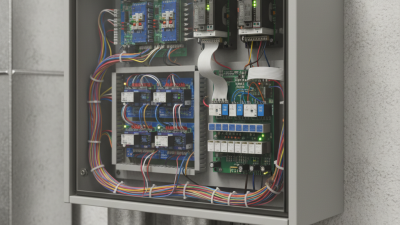
Understanding DDC panels is essential for effective Air Handling Unit (AHU) systems. These panels regulate HVAC operations to maintain comfortable indoor environments. They use direct digital control to monitor and manage system components like fans, dampers, and heating elements. A well-designed DDC panel can lead to significant energy savings, with studies indicating up to a 30% reduction in energy costs when optimized properly.
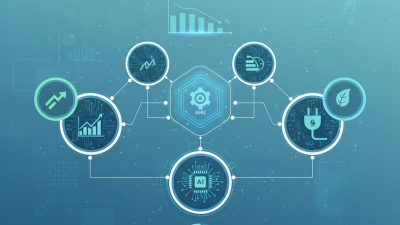
Each DDC panel’s functionality can vary widely. Some systems feature advanced algorithms for predictive maintenance. This functionality can minimize downtime and extend equipment life. However, many installations still lack this level of sophistication. According to industry reports, nearly 40% of existing systems do not utilize data analytics for maintenance planning. This gap can result in increased operational costs and unexpected failures.
Integrating these panels requires careful consideration of building requirements. It’s vital to analyze the specific needs of the HVAC system. A mismatch in panel capabilities and system demands can lead to inefficiencies. Data from recent industry surveys show that over 25% of operators wish they had chosen different control strategies. A reflective approach can help ensure optimal performance and long-term reliability.
Evaluating Compatibility: DDC Panels and Your AHU Setup
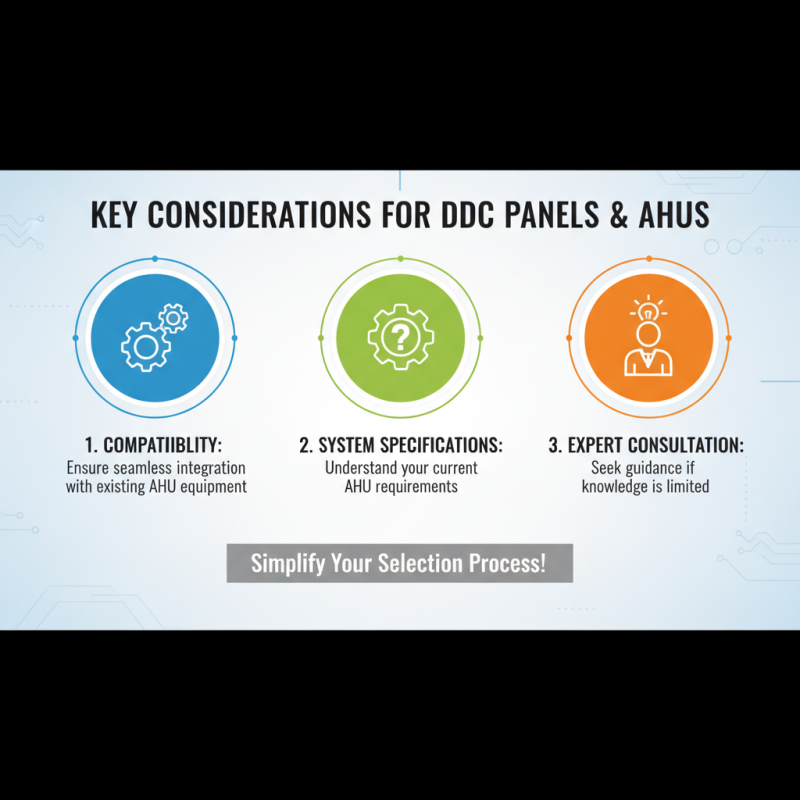
Choosing the right DDC panel for your AHU system requires careful consideration. First, evaluate the compatibility of the DDC panel with your existing AHU setup. Check the communication protocols. A mismatched protocol can lead to inefficiencies or system failures. Ensure the DDC panel supports all necessary sensors and actuators in your system.
When evaluating compatibility, consider your building's specific climate control needs. Assess whether the DDC panel can handle your desired zoning requirements. It’s crucial that the panel can manage multiple zones effectively. Inadequate zone management may compromise comfort and energy efficiency.
Tips: Look for panels with user-friendly interfaces. A complicated interface can result in installation challenges. Protect your investment by opting for panels with robust support services. They can be a lifesaver when troubleshooting. It’s wise to remember that even the best panels can require adjustments. Regular assessments of their performance are essential to maintain optimal operation.
Performance Metrics: Analyzing DDC Panel Efficiency and Energy Savings
When selecting a DDC panel for your air handling unit (AHU) system, performance metrics play a crucial role. Assessing efficiency is key to ensuring optimal operation. A well-designed DDC panel can transform how your system performs. Look into how it manages data for real-time adjustments.
Timely actions can lead to significant energy savings.
Energy savings are often reflected in reduced utility bills. An efficient DDC panel minimizes waste by optimizing airflow and temperature. This balance creates comfortable environments while preserving resources. Some systems may struggle with integration, limiting their full potential. Regular monitoring can identify gaps and areas for improvement, ensuring you benefit from energy-efficient solutions.
Reliable data makes a difference. Consider how various metrics influence performance. Temperature variations and humidity levels should be tracked closely. Yet, some DDC panels may not provide comprehensive analytics. This shortcoming could lead to missed opportunities for adjustments. Staying informed about performance trends is essential to refine your system continually.
Cost-Benefit Analysis: Investment in DDC Panels for Long-Term Gains
Investing in Direct Digital Control (DDC) panels for Air Handling Units (AHUs) can significantly impact operational efficiency. According to a report from the American Society of Heating, Refrigerating and Air-Conditioning Engineers (ASHRAE), implementing DDC systems can enhance energy savings by up to 30%. This reduction not only lowers energy bills but also minimizes the carbon footprint of an organization.
However, the initial investment in DDC technology can be substantial. Facilities may hesitate, concerned about integration with existing systems. It’s vital to assess the long-term benefits relative to these upfront costs. Studies indicate that while installation may consume a larger budget, the savings accrued over time often surpass the initial expenditures. In fact, a report by the U.S. Department of Energy suggests that most facilities can recover their investment within 3 to 5 years through reduced energy consumption alone.
Moreover, considering the rapid advancements in building management technology, the complexity of integration can pose risks. Some organizations encounter challenges in adapting new DDC systems. They must weigh the potential for increased operational efficiency against these obstacles. A thoughtful analysis of project needs can mitigate this uncertainty, ensuring that the investment yields favorable long-term gains.