Why Choose DDC Panel BMS for Efficient Building Management?
The growing complexity of building management systems has led to an increased focus on efficiency. The DDC Panel BMS is designed to optimize resources. According to a report from the Global Data Analytics Institute, buildings worldwide waste about 30% of energy due to ineffective management. This inefficiency can lead to significant operational costs.
The DDC Panel BMS provides smart controls for lighting, HVAC, and security systems. A recent study indicated that integrating DDC technology can reduce energy consumption by up to 25%. This is crucial for businesses aiming to lower expenses while maintaining comfort. However, not all implementations are seamless. Organizations often face challenges in system integration and user training.
Implementing the DDC Panel BMS requires careful planning. Stakeholders must invest time in understanding its capabilities and limitations. While the technology offers great potential, businesses must address these challenges to fully realize its benefits. Properly executed, it can transform building management into a proactive and efficient process.
Understanding DDC Panel BMS and Its Role in Building Management
DDC (Direct Digital Control) Panel BMS (Building Management System) plays a pivotal role in modern building management. It integrates and automates various systems, such as HVAC, lighting, and security. By using advanced algorithms, it helps manage energy consumption effectively. According to a recent report by the U.S. Department of Energy, optimizing building operations can lead to energy savings of 20% to 50%. This statistic illustrates the significance of DDC systems in lowering operational costs.
The intelligent data analysis provided by DDC Panel BMS contributes to improved building efficiency. It offers real-time monitoring, enabling facility managers to identify inefficiencies promptly. A study by the Lawrence Berkeley National Laboratory found that implementing advanced controls like DDC can enhance indoor air quality. Yet, not every installation achieves its full potential. Misconfigured systems may underperform, leading to wasted energy and higher costs. Proper training and ongoing assessments are essential to maximize the benefits of DDC technology.
Data security remains a critical concern as buildings become more connected. Vulnerabilities exist, posing risks to sensitive information. Owners must invest in robust cybersecurity measures alongside DDC installations. While the benefits are clear, potential pitfalls underscore the need for a cautious approach. Effective building management requires continuous evaluation of both technology and processes. Balancing efficiency and security is vital in reaping the long-term rewards of DDC systems.
Key Features of DDC Panel BMS that Enhance Efficiency
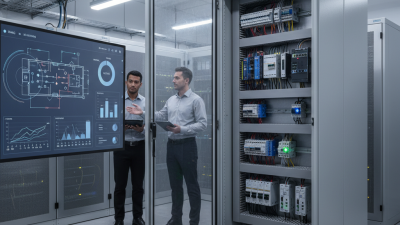
DDC Panel BMS stands out for its ability to enhance building management efficiency. One key feature is its centralized control system. This system allows operators to monitor various building systems, such as HVAC and lighting, from a single interface. By streamlining controls, it reduces response time to issues and ensures optimal performance. Building owners can see real-time data, making informed decisions quickly.
Another beneficial feature is energy management. The DDC panel BMS enables detailed analytics of energy usage. This data helps identify patterns and areas to conserve energy. Knowing exactly how resources are consumed empowers administrators to implement changes for better efficiency. Small adjustments can lead to significant savings.
**Tip:** Regularly review system data. By understanding energy consumption trends, buildings can adapt flexibly.
Automation is also a crucial aspect. The DDC panel can automate routine tasks, like adjusting lighting based on occupancy. But not every building will benefit equally from automation. Some systems might require manual intervention for optimal results.
**Tip:** Test automated settings periodically. Sometimes manual adjustments can offer better results.
The DDC Panel BMS combines centralized control, energy analytics, and automation. These features not only improve efficiency but also enhance the sustainability of building operations.
Efficiency Comparison of Building Management Systems
Benefits of Implementing DDC Panel BMS in Modern Buildings
Implementing DDC panel BMS (Building Management System) offers numerous benefits for modern buildings.
One of the most significant advantages is energy efficiency.
According to a report from the U.S. Department of Energy, smart building systems can reduce energy use by 30% or more.
This not only lowers operational costs but reduces carbon footprints.
Moreover, DDC panel BMS enhances monitoring capabilities.
A study from the National Renewable Energy Laboratory found that real-time data visibility allows for proactive maintenance.
This can extend equipment life by up to 20%. However, some teams may struggle with interpreting complex data sets effectively.
Training and ongoing education are essential in these areas.
Another critical aspect is occupant comfort.
Properly managed environments lead to improved satisfaction.
Research from the International Institute for Environment and Development indicates that well-maintained indoor climates may increase productivity by 5-10%.
Despite these advantages, integrating such systems can be challenging.
Building managers often face resistance to change or lack sufficient technical skills.
Addressing these issues is vital for maximizing the benefits of DDC panel BMS.
Comparative Analysis of DDC Panel BMS and Traditional Systems
DDC Panel BMS, or Direct Digital Control Panel Building Management Systems, have gained attention in modern building management. These systems provide real-time monitoring and control. They stand out compared to traditional systems. Traditional systems often rely on manual inputs and mechanical components. These can lead to inefficiencies and delays in response.
One major difference is data integration. DDC systems collect data from various building subsystems. This makes it easier to analyze energy usage patterns or environmental conditions. Traditional systems may not have this integration. Decisions might depend on outdated or incomplete data. Errors in data entry can happen in conventional methods. The result is potentially higher operational costs and energy waste.
Cost efficiency is another aspect worth noting. DDC systems optimize energy usage through automation. They adjust heating, cooling, and lighting based on occupancy. This level of control minimizes wasted resources. Traditional approaches often work on fixed schedules, leading to energy overuse. Reflecting on this, it’s clear that while both systems have their merits, DDC offers a more progressive solution for today's buildings. The transition might be challenging, but the long-term benefits justify it.
Why Choose DDC Panel BMS for Efficient Building Management? - Comparative Analysis of DDC Panel BMS and Traditional Systems
| Feature |
DDC Panel BMS |
Traditional BMS |
| Energy Efficiency |
High, with precise control algorithms |
Moderate, often relying on manual adjustments |
| User Interface |
Intuitive graphical interface |
Basic and often text-based menus |
| Scalability |
Highly scalable for larger buildings |
Limited scalability, complex integration |
| Maintenance |
Remote monitoring and alerts |
Routine maintenance usually required on-site |
| Data Analytics |
Advanced real-time analytics capabilities |
Basic reporting with limited insights |
| Integration |
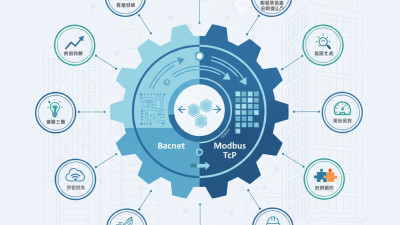
Seamless integration with IoT devices |
Difficult integration with new technologies |
Future Trends in Building Management Systems with DDC Technology
As technology evolves, building management systems (BMS) adapt to new demands. DDC technology is at the forefront of this transformation. It incorporates data-driven strategies to enhance efficiency and reduce costs. Energy management becomes more streamlined. Operators gain insights into resource consumption. This leads to optimizations that were not possible before.
Future trends indicate a shift toward integration and automation. DDC panels will likely work with AI and IoT devices. This ensures real-time adjustments to environments. Yet, these advancements also raise questions. Are we relying too heavily on technology? There's a risk of becoming overly dependent on automated systems. Human oversight remains critical, especially in crisis situations.
Furthermore, sustainability is a growing focus. DDC technology can promote energy-efficient practices. However, its implementation must be approached carefully. Some systems may produce excessive data without clear strategies for usage. Striking a balance between data collection and practical application is essential. As we look ahead, embracing DDC technology requires thoughtful consideration of both potential and pitfalls.