10 Best DDC Controllers for AHU You Need to Know?
In the realm of HVAC systems, the DDC Controller for AHU plays a pivotal role in ensuring efficiency. Understanding these devices can significantly enhance air handling unit performance. A well-chosen DDC controller optimizes energy usage, maintaining comfort while lowering costs.
Selecting the right controller can be challenging. There are many options available, and not all offer the same features. Users often express frustration, as some controllers have complicated interfaces or lack essential functionalities. Experienced professionals emphasize the importance of reliability and support when choosing a DDC controller for AHU.
Through this article, we present the 10 best DDC controllers tailored for air handling units. Each option is evaluated based on performance, user feedback, and expert recommendations. With the right information, you can make a well-informed decision, avoiding pitfalls common in HVAC system management. The goal is to enhance your understanding and help you find a reliable solution for your needs.

Understanding DDC Controllers for AHUs
DDC controllers for Air Handling Units (AHUs) play a crucial role in modern HVAC systems. These devices enhance energy efficiency and provide precise control over heating, ventilation, and air conditioning processes. According to a recent report by the American Society of Heating, Refrigerating and Air-Conditioning Engineers (ASHRAE), implementing DDC technology can lead to energy savings of up to 30%. This underscores the importance of selecting the right DDC controller for optimal performance.
Understanding the key functions of DDC controllers is essential. They help automate equipment operations, monitor environmental conditions, and ensure proper airflow. However, many users overlook the complexity of integrating DDC controllers with existing systems. Compatibility issues can arise, leading to inefficiencies. A significant percentage of facilities experience operational challenges due to insufficient training on these controllers. Proper education on their functions can lead to improved system performance.
Furthermore, regular maintenance of DDC systems is often neglected. Lack of routine checks can cause data inaccuracies and system failures. A study from the National Institute of Standards and Technology highlights that poorly maintained systems can decrease efficiency by up to 25%. Emphasizing training and maintenance could mitigate these issues, ultimately enhancing the reliability of AHUs.
Key Features to Consider When Choosing DDC Controllers
When selecting DDC controllers for AHUs, several key features are paramount. First, compatibility with various HVAC systems is crucial. A versatile controller can integrate seamlessly, increasing efficiency. According to a report by the American Society of Heating, Refrigerating and Air-Conditioning Engineers, 30% of energy costs arise from inefficient controls. Therefore, ensuring compatibility can lead to significant cost savings.
Control interfaces are also essential. User-friendly interfaces allow for easier management of settings and real-time monitoring. Look for controllers that offer mobile access and visualization tools. Accessibility features enhance operational efficiency. Research by the Control Systems Group found that enhanced user interfaces can reduce error rates by up to 25%.
Don't overlook the importance of data logging and reporting capabilities. Advanced controllers provide analytics that help in predictive maintenance. This can extend the lifespan of your HVAC systems. A study from the Journal of Building Performance highlighted that data-driven maintenance approaches lead to a reduction of unexpected failures by up to 40%.
A practical tip is to evaluate the scalability of the controller. As your system grows, your controller should adapt. This flexibility ensures that you won’t need to replace your entire system in the future. Finally, consulting with experts and reviewing technical documentation is advisable. This helps to avoid misunderstandings regarding installation and operation, ultimately enhancing system performance.
Top 10 DDC Controllers for AHUs: A Detailed Overview
When considering DDC controllers for air handling units (AHUs), it's important to understand their role in effective building management. These controllers enhance HVAC efficiency, ensuring optimal airflow and temperature regulation. Each controller comes with a unique set of features that cater to various building sizes and specifications. For instance, some models are designed with advanced algorithms that allow for better energy management, while others focus on ease of installation and user interface.
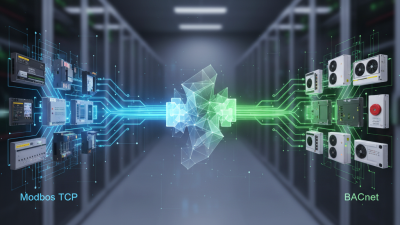
In the selection process, evaluating different options can be challenging. It’s common to find features that seem attractive but may not fit your specific needs. A controller with a flashy interface might lack the precise control needed for complex systems. Make sure to consider compatibility with existing systems. Some controllers support various communication protocols, which can be beneficial for integrating newer technologies into older buildings.
Attention to detail is vital. Look at user testimonials and technical specifications carefully. Industry experts often advise pinpointing exactly what you need before making a decision. A controller that excels in one respect might fall short in another area. Each choice requires careful consideration of factors like energy efficiency, ease of customization, and support. With the right mindset, finding the ideal DDC controller will enhance your AHU's performance, contributing to a well-functioning living or working environment.
Comparative Analysis of DDC Controllers for AHUs
When it comes to selecting Direct Digital Control (DDC) controllers for Air Handling Units (AHUs), understanding the features and functionalities is crucial. DDC controllers facilitate efficient management of HVAC systems. They enhance the performance of AHUs by ensuring optimal operation through precise temperature and humidity control. A thorough comparative analysis reveals significant differences in programming capabilities, integration options, and user interfaces among various controllers.
Some DDC controllers excel in ease of use, providing intuitive interfaces. These models allow for quick configuration and troubleshooting. Others might present a steeper learning curve but offer advanced features essential for complex systems. Evaluating factors like scalability and compatibility with existing infrastructure is critical. Not all controllers support future upgrades or easy integration with IoT devices.
Reliability is another vital aspect to consider. Some controllers have demonstrated superior resilience in diverse climates, which can lessen the need for frequent repairs. Observing user feedback from industry professionals can provide insights into long-term performance. Ultimately, a comparative analysis underscores the importance of aligning a DDC controller’s capabilities with the specific needs of your AHU system. Each choice presents its own challenges and benefits worth reflecting upon.
10 Best DDC Controllers for AHU You Need to Know
| Model |
Features |
Compatibility |
Price Range |
User Rating |
| Model A |
Advanced control algorithms, remote access |
AHU Type 1, AHU Type 2 |
$500 - $700 |
4.5/5 |
| Model B |
Easy programming, energy monitoring |
AHU Type 2, AHU Type 3 |
$600 - $800 |
4.7/5 |
| Model C |
Cloud integration, real-time analytics |
AHU Type 1, AHU Type 4 |
$700 - $900 |
4.6/5 |
| Model D |
User-friendly interface, multi-location support |
AHU Type 3 |
$450 - $650 |
4.4/5 |
| Model E |
Integrated sensor support, flexible configuration |
AHU Type 2, AHU Type 4 |
$500 - $750 |
4.3/5 |
Best Practices for Implementing DDC Controllers in AHUs
Implementing DDC (Direct Digital Control) controllers in Air Handling Units (AHUs) can greatly enhance efficiency. Understanding best practices is crucial for successful integration. Start with a thorough assessment of your HVAC system. Identify specific needs, such as temperature control and humidity levels. Clear goals will guide the configuration and functionality of the DDC controller.
Next, ensure proper installation. This requires familiarity with the DDC system's wiring and setup. Any oversight may lead to control failures or inefficient operation. Regular training for personnel on system functionality is also vital. Knowledgeable staff can troubleshoot issues and adjust settings as required.
Consider the importance of maintenance. Regular updates and checks keep the DDC controller functioning well. Neglecting this can lead to performance deterioration. A feedback loop for monitoring performance can identify potential problems early. Establishing a clear communication channel with your team will facilitate prompt responses. Reflect on past implementations. Learning from mistakes helps refine future projects.