Top Benefits of Direct Digital Control Systems for HVAC?
In today's evolving technology landscape, HVAC systems require efficiency and precision. The Direct Digital Control System for HVAC is transforming how we manage indoor climates. With its ability to control temperature, humidity, and air quality, this system offers remarkable benefits.
Implementing a Direct Digital Control System allows for real-time monitoring. It enhances energy efficiency, often leading to cost savings. It's essential to note that while these systems are more advanced, they still require ongoing maintenance. Users should be aware that improper configuration can result in inefficiencies. Awareness of these pitfalls is crucial for optimal performance.
Moreover, flexibility is a standout feature of Direct Digital Control Systems. They can integrate with existing systems and scale up as needed. However, expertise is required for effective implementation. Understanding how to leverage technology is vital for achieving the best outcomes. Overall, embracing Direct Digital Control Systems can significantly improve HVAC operations, but it's not without its challenges.
Overview of Direct Digital Control Systems in HVAC
Direct Digital Control (DDC) systems are transforming how we manage HVAC systems. These intelligent systems utilize microprocessors to regulate heating, cooling, and ventilation. They offer a seamless connection to a building's components, enhancing overall efficiency. With real-time data monitoring, DDC systems adjust settings based on occupancy and environmental conditions. This adaptability can lead to significant energy savings.
Implementing DDC can be a complex endeavor. Building managers need to consider existing infrastructure. Ensuring compatibility with older systems may require additional investment. Staff training is essential to maximize the benefits of these advanced systems. Without proper understanding, the potential of DDC might not be fully realized.
However, when implemented correctly, the advantages are substantial. Enhanced occupant comfort is a noteworthy benefit. Improved indoor air quality is also a significant factor. DDC systems can monitor air quality metrics and adjust ventilation accordingly. This responsiveness is crucial for creating healthier spaces. Ultimately, while challenges exist, the potential rewards make exploring DDC systems worthwhile.
Enhanced Energy Efficiency through Direct Digital Controls
Direct Digital Control (DDC) systems are transforming HVAC efficiency. By utilizing advanced sensors and software, these systems allow for real-time monitoring and adjustments. According to the American Society of Heating, Refrigerating and Air-Conditioning Engineers (ASHRAE), implementing DDC can enhance energy efficiency by 30% to 50%. This significant reduction in energy consumption directly contributes to lower operational costs.
The precision of DDC systems enables better temperature and humidity regulation. Discrepancies in indoor climate can lead to discomfort and inefficiency. Traditional controls often result in energy waste and suboptimal performance. Research shows that buildings using DDC can achieve tighter control over conditions, preventing problems like overheating or excessive cooling. This can lead to improved occupant satisfaction and productivity.
However, the implementation of DDC systems is not without challenges. Initial costs can be a barrier for many facilities. Additionally, the need for proper training to manage these systems effectively poses a concern. Some facilities report difficulties in optimizing their settings. Awareness and education are essential for harnessing the full potential of DDC technology in HVAC systems.
Improved Comfort and Indoor Air Quality with DDC Systems
Direct digital control (DDC) systems transform HVAC management. They enhance both comfort and indoor air quality significantly. By integrating real-time data, these systems adjust temperature and humidity levels instantly. This responsiveness creates a consistently comfortable environment for occupants.
Indoor air quality often suffers in traditional systems. DDC technology continuously monitors air pollutants and adjusts ventilation accordingly. Improved filtration and better airflow contribute to cleaner air. This not only boosts health but also increases productivity. However, not every system performs optimally. Regular maintenance and proper setup are critical for achieving these benefits.
Feedback from users highlights some challenges. Occasionally, systems can be overly sensitive to changes. This might cause fluctuations in comfort levels. Understanding the balance between responsiveness and stability is essential for maximizing the benefits of DDC systems. Educating users about these nuances can lead to more effective HVAC management.
Real-time Monitoring and Control Benefits of DDC in HVAC
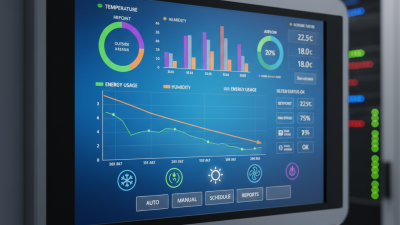
Real-time monitoring is a key advantage of Direct Digital Control (DDC) systems in HVAC. They continuously track temperature, humidity, and air quality. This allows for immediate adjustments to optimize indoor comfort. Users receive alerts for any irregularities. Quick responses can prevent larger issues.
With DDC systems, data visualizations enhance understanding. Operators can see trends and patterns through dashboards. This visual feedback helps in making informed decisions. However, reliance on real-time data can lead to overcorrections. It is crucial to strike a balance between automated adjustments and manual oversight.
The integration of DDC systems fosters efficiency. Energy consumption can be lowered significantly. Accurate monitoring helps in pinpointing wasteful operations. Yet, it's essential to ensure the system is set up correctly. Poor configuration can lead to false readings. Regular reviews of the system settings are necessary to maintain reliability.
Cost Savings and Maintenance Advantages of Direct Digital Control Systems
Direct Digital Control (DDC) systems have transformed HVAC management, providing significant cost savings and maintenance advantages. According to a study by the U.S. Department of Energy, DDC systems improve energy efficiency by 20 to 40%. These systems utilize real-time data, allowing for precise control of heating and cooling operations. This optimization not only reduces energy consumption but also leads to lower utility bills over time.
One major benefit of DDC systems lies in their maintenance capabilities. They can alert facility managers to issues before they escalate, minimizing downtime. The Building Efficiency Initiative estimates that predictive maintenance facilitated by DDC can decrease maintenance costs by up to 30%. This proactive approach empowers building operators to conduct timely repairs, ultimately enhancing system longevity and reliability.
**Tips:** Regularly review system data for anomalies. Implement a preventive maintenance schedule to catch issues early. Training staff on DDC operations can improve system efficacy.
While DDC systems represent a leap forward, some challenges remain. Initial installation costs can be high, which might deter some facilities. Additionally, staff may require training to fully utilize the systems' capabilities. Addressing these concerns is essential to maximize the benefits offered by DDC technology.