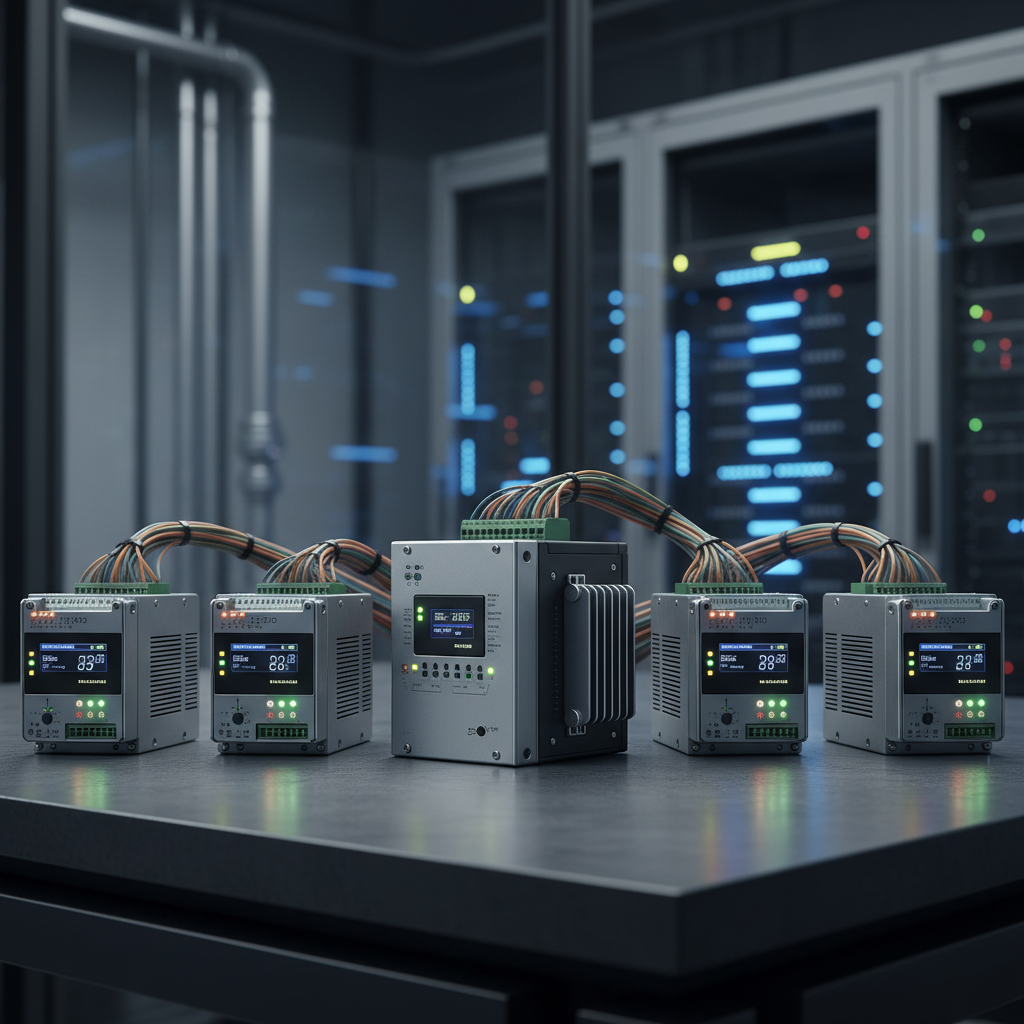
Top 5 Direct Digital Controllers for Efficient Building Automation
In the rapidly evolving landscape of building automation, the role of Direct Digital Controllers (DDCs) has never been more critical. As organizations aspire to create more efficient, sustainable, and intelligent environments, selecting the right DDC becomes a key decision for facility managers and engineers. According to industry expert Dr. Emily Reyes, a noted authority in automation technology, "The advancement of Direct Digital Controllers is transforming the way we manage energy consumption, ensuring both comfort and efficiency in modern buildings."
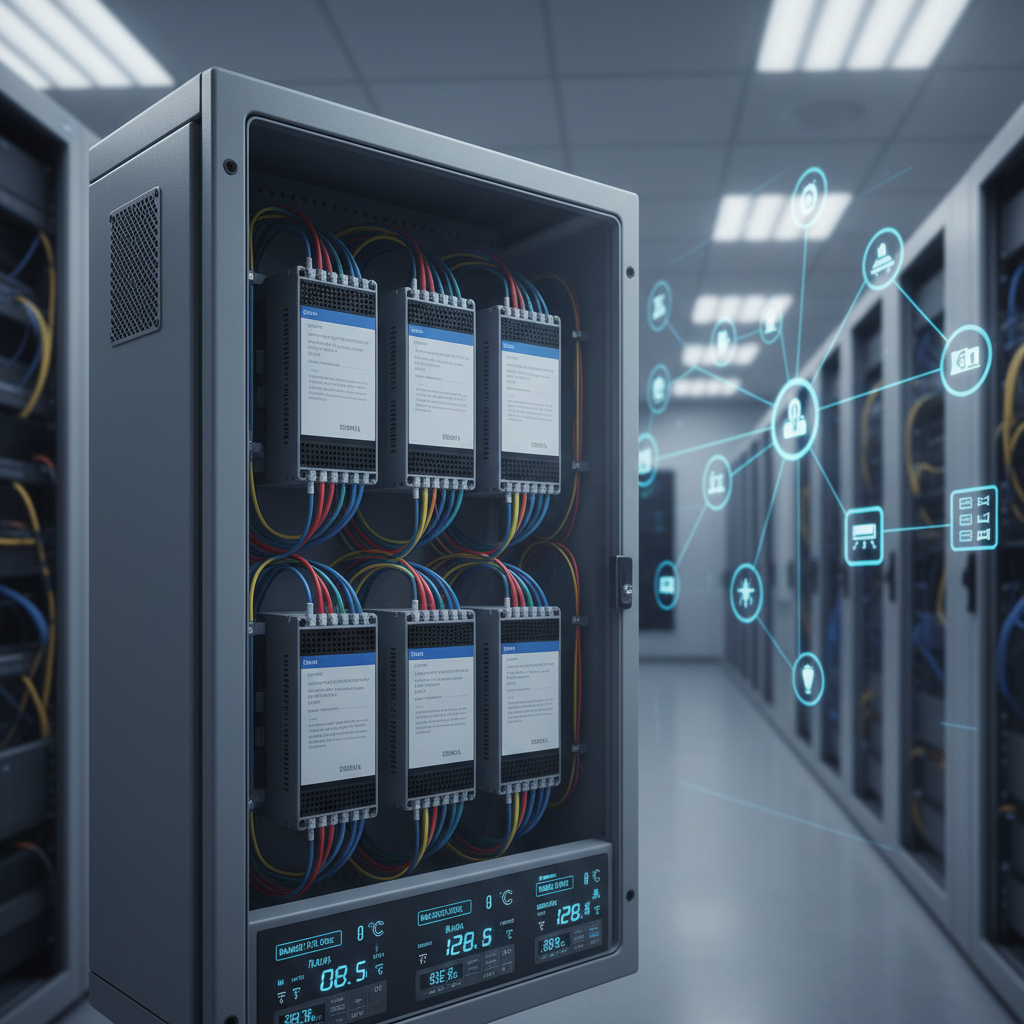
Understanding the top contenders in the DDC market for 2025 is essential for stakeholders striving to optimize building performance. This guide delves into the top five Direct Digital Controllers that are leading the charge in innovation, ease of integration, and energy management capabilities. As we navigate through the capabilities of these systems, our objective is not only to inform but also to empower decision-makers in making informed choices that will benefit both their operational needs and the overarching goal of sustainability in the built environment.
With a focus on performance, reliability, and user-friendliness, these Direct Digital Controllers exemplify the best of what the industry has to offer, setting the stage for a more interconnected and efficient future in building automation.
Emerging Trends in Direct Digital Controllers for Building Automation by 2025
As the building automation sector continues to evolve, emerging trends in
direct digital controllers (DDCs) are shaping the landscape by
2025. According to a recent report
by MarketsandMarkets, the global market for building automation systems is expected to reach
$130.8 billion by 2025, with DDCs playing a pivotal role in this growth.
The integration of
Internet of Things (IoT) technology into DDCs is enhancing real-time
data collection and analysis, allowing for more responsive and adaptive building management systems.
This shift not only improves energy efficiency but also optimizes operational costs, making it a priority
for modern building managers.
Moreover, the increasing focus on sustainability is driving innovation
in DDCs. A survey conducted by the Building Owners and Managers Association (BOMA) indicates that
64% of building managers are prioritizing energy-efficient technologies.
As a result, manufacturers are developing DDCs equipped with advanced algorithms that monitor and adjust
energy consumption patterns automatically. Such technologies promise to reduce carbon footprints significantly,
aligning with global sustainability goals. By 2025, it is anticipated that DDCs will not only facilitate
superior environmental control but also enhance occupant comfort and productivity, marking a major step forward
in building automation.
Key Features of Leading DDC Systems Impacting Energy Efficiency
When considering energy efficiency in building automation, the choice of Direct Digital Controllers (DDCs) plays a crucial role. Leading DDC systems incorporate advanced features such as precise temperature control, real-time monitoring, and automated adjustments based on environmental conditions. For instance, a report by the American Society of Heating, Refrigerating and Air-Conditioning Engineers (ASHRAE) highlights that optimized DDC systems can reduce energy consumption by up to 30%.
In addition to traditional functionalities, modern DDCs utilize algorithms that analyze usage patterns, further enhancing their efficiency. A study published in the Journal of Building Performance indicates that buildings equipped with smart DDCs experienced a 25% improvement in HVAC efficiency in comparison to standard systems. Utilizing these advanced features not only leads to significant cost savings but also contributes to reducing the overall carbon footprint of properties.
**Tips:** To maximize energy savings, ensure your DDC system is regularly updated and calibrated. Additionally, integrating IoT technologies can enhance data collection for better predictive maintenance, further optimizing energy use. Consider training staff on energy management practices to fully leverage the capabilities of your DDC system.
Comparative Analysis of Top 5 DDC Systems Based on Market Adoption Rates
The comparative analysis of the top five direct digital controllers (DDCs) highlights their significant market adoption rates, especially in the context of building automation. With the global focus shifting towards efficiency and sustainability, DDC systems are becoming essential in managing energy consumption and automating HVAC operations. Recent reports indicate that the need for enhanced building management is driving innovations in this space, contributing to a projected growth in the market for direct digital control systems.
As for the broader implications on the market landscape, the Agentic AI segment is expected to experience transformative growth by 2026. It is estimated that the global market for Agentic AI will evolve significantly, influenced by key roles in various sectors including banking and capital markets. As US banks gear up for a pivotal year, they face macroeconomic challenges alongside the accelerating adoption of AI technologies, which are set to redefine operational efficiencies. This convergence of DDC systems and Agentic AI hints at a future where smart technology optimizes not only buildings but financial infrastructures as well, ensuring organizations stay agile in a fast-evolving digital landscape.
Top 5 Direct Digital Controllers for Efficient Building Automation
Integration of IoT in Direct Digital Controllers to Enhance Automation
The integration of IoT in Direct Digital Controllers (DDCs) is revolutionizing building automation, enabling improved efficiency and smarter management of facilities. According to recent market analysis, the global smart factory market is anticipated to reach a size of over $300 billion by 2026, with significant contributions from Industrial IoT technologies. These innovations are paving the way for more connected operational environments, allowing DDCs to optimize processes through real-time data collection and advanced predictive analytics.
In smart industrial instrumentation, DDCs leverage IoT to establish seamless communication between devices, facilitating enhanced process control. By implementing wireless networks, industries are able to achieve better monitoring and automation capabilities. A report suggests that the adoption of Industrial IoT solutions in building automation can lead to a reduction in energy consumption by up to 30%, while also increasing overall operational efficiency. With the growing demand for energy-efficient solutions, the integration of IoT with DDCs not only boosts performance but also aligns with sustainability goals in various sectors.
Case Studies: Energy Savings from Implementing Advanced DDC Technologies
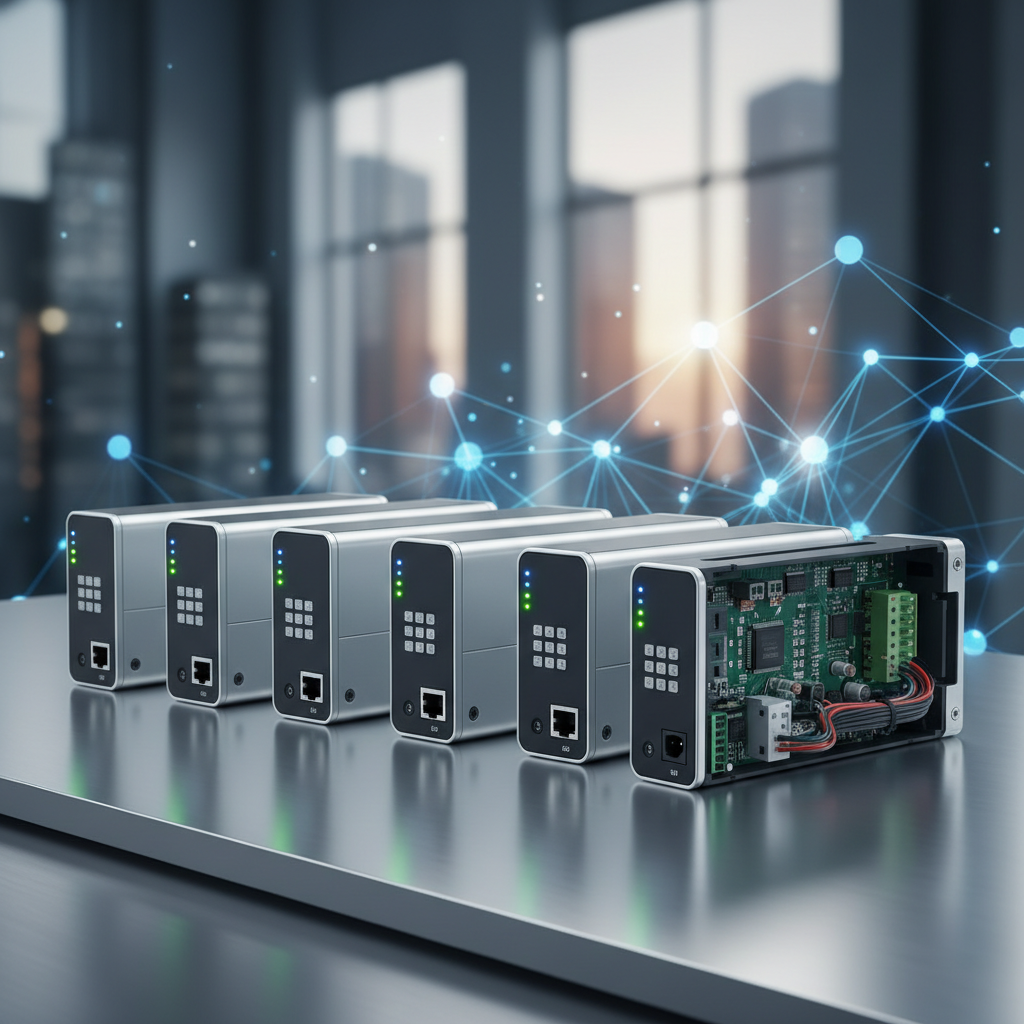
The integration of advanced Direct Digital Control (DDC) technologies in building automation systems has proven to significantly enhance energy efficiency. Case studies from various industries illustrate the tangible benefits of implementing these sophisticated controllers. For instance, a prominent commercial facility reported a 30% reduction in energy consumption after upgrading to state-of-the-art DDC systems. The real-time data analysis and automated adjustments of heating, ventilation, and air conditioning (HVAC) systems enabled this facility to optimize energy use based on actual demand rather than preset schedules.
Another exemplary case involved a university campus that adopted DDC technology across its multiple buildings. Following the implementation, the campus managed to achieve a 25% decrease in overall energy costs. By utilizing advanced algorithms to control and monitor energy flows, the DDC systems facilitated predictive maintenance and minimized operational inefficiencies. This not only led to substantial financial savings but also contributed to the institution's sustainability goals, demonstrating the critical role of DDC technologies in modern energy management strategies.