Top 10 DDC Panels for HVAC Systems Worldwide?
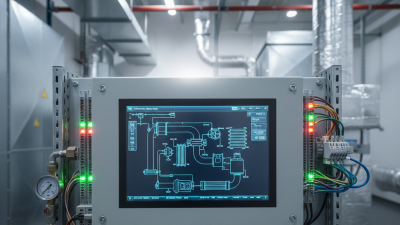
In the ever-evolving world of HVAC systems, the importance of DDC panels cannot be overstated. A DDC panel for HVAC effectively controls heating, ventilation, and air conditioning. It offers unparalleled precision and energy efficiency. Many businesses rely on these panels to maintain optimal indoor conditions.
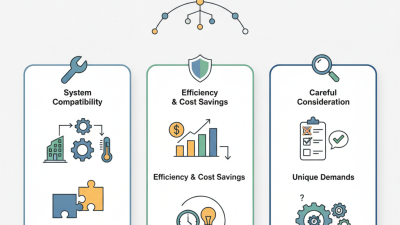
Selecting the best DDC panel for HVAC requires careful consideration. Numerous options are available worldwide, each with unique features and capabilities. Some panels excel in user interface, while others stand out in energy management. Understanding these differences is crucial for making an informed choice.
However, not all DDC panels are perfect. Some may lack integration capabilities with existing systems. Others could fall short on long-term reliability. It’s essential to analyze both the strengths and weaknesses of each panel carefully. This guide will explore the top 10 DDC panels, highlighting their benefits and drawbacks for your HVAC needs.

Overview of DDC Panels in HVAC Systems
DDC (Direct Digital Control) panels play a crucial role in modern HVAC systems. These digital solutions allow real-time monitoring and control of heating, ventilation, and air conditioning equipment. They efficiently manage energy consumption, leading to reduced operational costs and improved comfort levels in commercial and residential buildings.
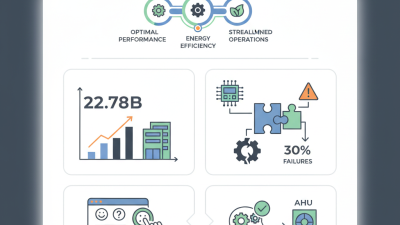
Recent studies highlight a growing trend in the adoption of DDC technology, with the global market expected to reach USD 7.12 billion by 2025, growing at a CAGR of 7.1%. The integration of DDC panels with IoT technology can enhance building automation, leading to advanced analytics that optimize energy use. Properly configured systems can achieve energy savings of up to 30%, significantly impacting sustainability efforts.
Tips: Regularly update your DDC system software to enhance security and functionality. Additionally, training personnel to understand the DDC interface is vital for maximizing its features. It's essential to assess the system periodically to identify areas for improvement, ensuring efficiency remains a priority in HVAC management.
Comparison of Top DDC Panels for Global HVAC Applications
In the HVAC sector, direct digital control (DDC) panels are vital for optimizing system performance. These panels enhance energy efficiency and provide better control over environmental conditions. Data from a recent industry report indicates that DDC systems can reduce energy consumption by up to 30%. This statistic underscores the importance of selecting top-performing panels for diverse global applications.
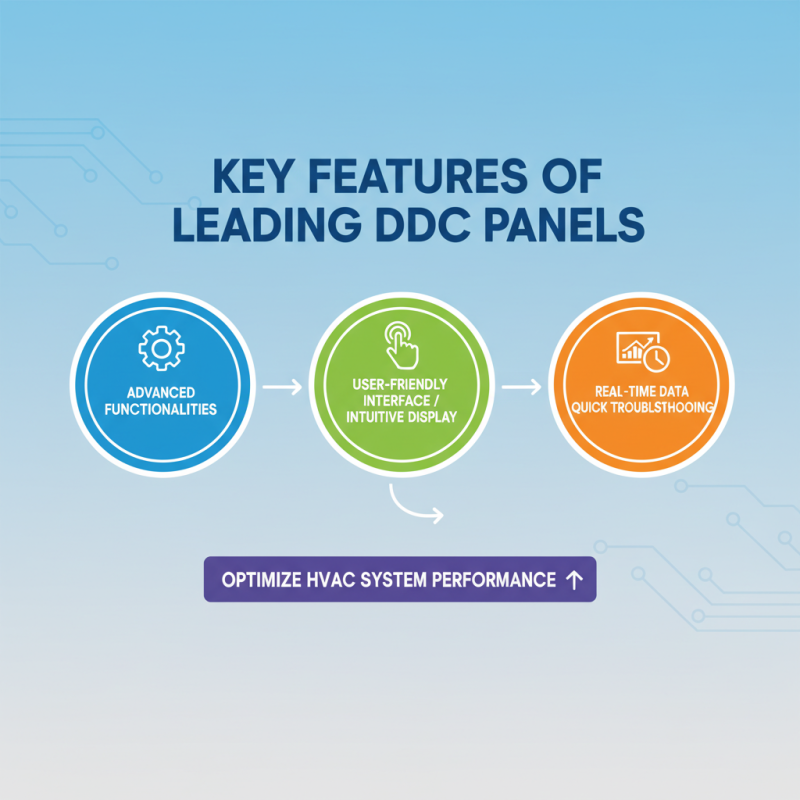
While many DDC panels boast advanced features, their effectiveness can vary significantly based on the application and environment. Multi-functionality is essential; panels should integrate seamlessly with various HVAC components. A comparison of leading DDC panels reveals that ease of use and adaptability are crucial for engineers and technicians. User-friendly interfaces can enhance operational efficiency but may sacrifice some advanced functionalities.
Additionally, emerging trends indicate a growing emphasis on cybersecurity for DDC systems. With increased connectivity, the risk of cyber threats rises. Researchers highlight this challenge, suggesting that many panels lack robust security features. Therefore, while evaluating options, it is vital to consider not just performance but also safety. The reliability of DDC systems hinges on striking a balance between innovation and security.
Evaluation of Cost-effectiveness and Efficiency in DDC Panels
DDC panels play a crucial role in optimizing HVAC systems. Their efficiency directly impacts energy consumption and operational costs. According to a recent study by the American Society of Heating, Refrigerating and Air-Conditioning Engineers (ASHRAE), proper implementation of DDC panels can reduce energy costs by up to 30%. This significant saving highlights why careful evaluation is necessary when selecting a system.
In terms of cost-effectiveness, the return on investment varies widely. While some DDC panels have higher upfront costs, their long-term savings can justify the expense. A report by the International Energy Agency (IEA) indicates that facilities with advanced DDC technology save approximately $1.5 million annually over typical installations. This makes it essential to analyze total cost of ownership rather than just initial costs.
Tip: When considering a DDC panel, always analyze its lifecycle costs. Initial investment can sometimes obscure long-term savings.
Another point of reflection involves adaptability. Some DDC panels may not integrate well with existing infrastructure. Issues can arise when retrofitting older systems with new technology. Therefore, thorough compatibility analysis is vital to avoid inefficiencies and wasted resources.
Tip: Always consult with HVAC experts during the evaluation process. Their insights can point out potential pitfalls and cost-saving opportunities.
Future Trends in DDC Panel Technology for HVAC Systems
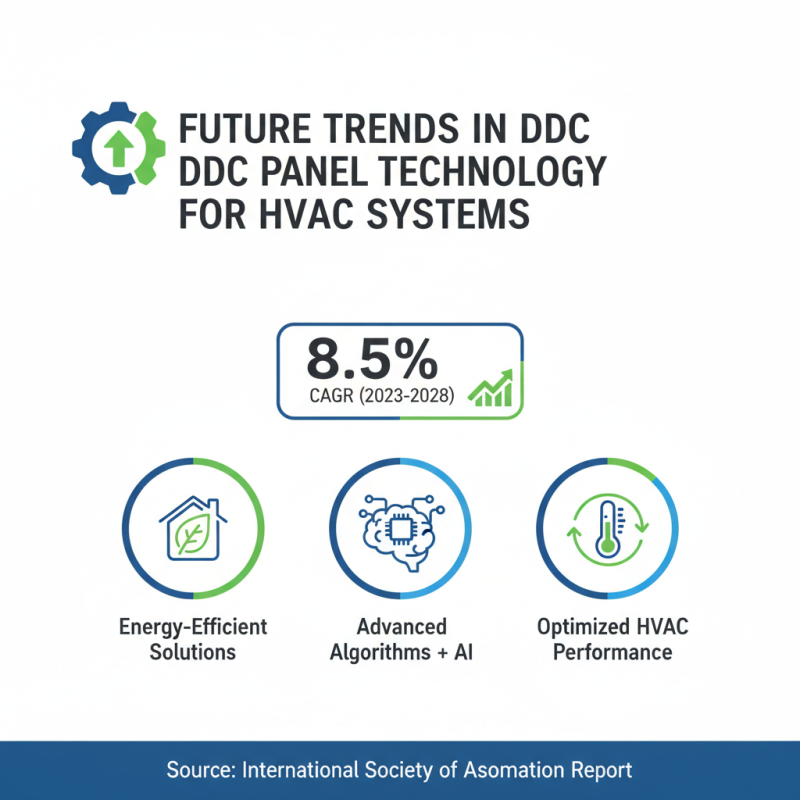
The future of Direct Digital Control (DDC) panels for HVAC systems is evolving rapidly. According to a recent report from the International Society of Automation, DDC technology is expected to see a compound annual growth rate (CAGR) of 8.5% from 2023 to 2028. This growth is driven by the increasing demand for energy-efficient solutions. Manufacturers are focusing on integrating advanced algorithms with artificial intelligence to optimize HVAC performance.
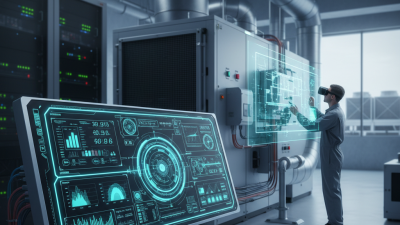
Moreover, IoT integration is becoming standard. A study from the American Society of Heating, Refrigerating and Air-Conditioning Engineers shows that 75% of HVAC installations in commercial settings now incorporate IoT-enabled DDC panels. These systems offer real-time data analytics, enabling predictive maintenance and reducing operational costs. However, challenges remain. Not all facilities can afford the initial setup costs, and many technicians lack training for advanced DDC systems.
Additionally, cybersecurity poses a significant issue. Increasing connectivity makes DDC panels more vulnerable to attacks. A survey by the National Institute of Standards and Technology highlights that over 60% of facilities report security concerns. Stakeholders must prioritize securing these systems to fully realize their potential. As the technology progresses, balancing innovation with security will be key to future HVAC success.