2026 How to Optimize Your Direct Digital Controller for Maximum Efficiency?
In the quest for maximum efficiency in HVAC systems, optimizing the Direct Digital Controller (DDC) is essential. A well-tuned DDC can significantly reduce energy consumption, improve comfort, and extend equipment lifespan. However, many facilities still operate with poorly optimized systems. This leads to wasted resources and increased operational costs.
Understanding how to adjust the settings of your Direct Digital Controller is critical. Factors such as sensor calibration and control logic can influence performance. Regular monitoring and adjustments can uncover inefficiencies. With that in mind, achieving optimal results often requires a collaborative approach. Engaging with industry experts can provide insights that enhance system performance.
It’s important to recognize that no system is perfect. There will always be room for improvement. Periodic assessments and updates to settings can help maintain efficiency over time. As technology evolves, so should your approach to managing the Direct Digital Controller. Embracing change and innovation ensures your system remains relevant and effective in its operation.
Understanding Direct Digital Controllers and Their Role in Efficiency
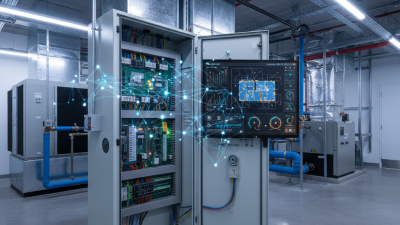
Direct Digital Controllers (DDCs) play a crucial role in modern building management systems. These devices manage various systems, such as HVAC, lighting, and security. They collect data from sensors and provide real-time feedback. This capability is essential for optimizing energy use and improving comfort. Unfortunately, many systems fail to operate efficiently due to improper configurations.
Understanding how DDCs function is vital for maximizing efficiency. These controllers rely on algorithms to process data. They should be updated regularly to adapt to changing conditions. However, many users overlook the importance of calibration. A poorly calibrated DDC can lead to energy waste. Optimizing settings can significantly enhance performance.
Engaging with DDCs requires ongoing learning and adjustments. Operators must analyze data to identify patterns. Seasonal changes can affect how systems respond. It's also crucial to involve maintenance teams in this process. They can provide insights into potential improvements. Regular audits of the system can unveil inefficiencies. Investing time in these areas can lead to substantial energy savings and enhanced comfort levels for occupants.
2026 How to Optimize Your Direct Digital Controller for Maximum Efficiency?
| Metric |
Value |
Impact on Efficiency |
| Energy Consumption (kWh) |
1500 |
Base Value |
| Control Accuracy (%) |
95 |
High Efficiency |
| System Response Time (ms) |
200 |
Improved Precision |
| User Interface Rating (1-10) |
8 |
Enhanced Usability |
| Periodic Maintenance (%) |
90 |
Lower Downtime |
| Feedback Response Rate (%) |
85 |
Continuous Improvement |
Key Factors Influencing the Performance of Direct Digital Controllers
Optimizing a Direct Digital Controller (DDC) involves understanding the key factors influencing its performance. One of the primary aspects is algorithm efficiency. A recent industry report indicates that leveraging advanced algorithms can boost energy savings by up to 25%. This improvement results from better predictive control strategies and reduced energy consumption during off-peak hours.
Another critical element is sensor accuracy. Data shows that inaccurate sensors can lead to performance drops of around 15%. Regular calibration and maintenance are essential to ensure sensors provide reliable feedback. Ignoring this aspect can compromise the entire control strategy, leading to higher operational costs.
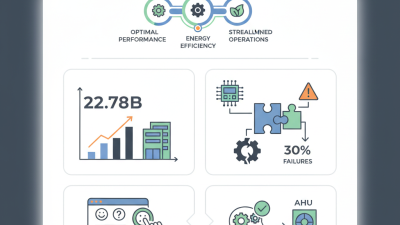
Network communication also plays a vital role in DDC functionality. Studies suggest that approximately 30% of DDC failures are tied to network issues. A stable and secure network ensures timely data transfer, crucial for responsive control. Assessing and upgrading network infrastructure can lead to significant performance improvements. The integration of IoT devices offers new opportunities but may also introduce complexity. Striking a balance is crucial for overall system reliability. Addressing these factors thoughtfully can enhance DDC effectiveness and promote sustainable building operations.
Best Practices for Tuning and Configuring Direct Digital Controllers
When tuning a Direct Digital Controller (DDC), start by analyzing your current setup. Look for areas that require adjustments. Monitoring performance metrics, such as energy consumption and system response times, is key. Collect data over time to identify patterns and potential inefficiencies. Analyzing historical data can help pinpoint issues that may not be evident in real-time.
Configuring your DDC settings is as critical as tuning. A common mistake is neglecting the importance of setpoint adjustments. Setpoints must reflect actual system needs, not arbitrary numbers. Periodic reviews can reveal discrepancies that impact efficiency. Calibration of sensors should not be overlooked. Inaccurate readings lead to poor control responses and wasted energy.
Consider integrating feedback loops to enhance performance. These loops can help maintain optimal conditions while adapting to changing demands. However, it’s essential to strike a balance. Over-tuning can create instability in the system. Regular assessments are necessary to ensure consistent and efficient operation. Missing these elements could cause issues that hinder optimal performance.
Integrating Advanced Algorithms for Enhanced Controller Efficiency
Optimizing direct digital controllers (DDCs) can significantly enhance system performance. Integrating advanced algorithms is a key strategy to increase efficiency. These algorithms analyze real-time data, adjusting settings dynamically for optimal operational conditions. By leveraging machine learning techniques, DDCs can learn from historical data, improving response times and reducing energy consumption.
Consider a scenario where temperature control is critical. A traditional controller reacts based on pre-set parameters. In contrast, an advanced algorithm can predict system behavior. It makes adjustments before issues arise, creating a more stable environment. This proactive approach not only enhances comfort but also prolongs equipment life.
While progress is essential, challenges remain. For instance, implementing complex algorithms can complicate system management. There's a balance between sophistication and usability. Ongoing training and support are crucial to ensure operators can effectively utilize these advanced tools. Regular assessments of algorithm performance should be conducted to identify areas for improvement. This reflective practice promotes continuous optimization.
Monitoring and Analyzing Performance Metrics for Continuous Improvement
Monitoring and analyzing performance metrics is crucial for optimizing your Direct Digital Controller (DDC). Consistent evaluation leads to greater efficiency and cost savings. By identifying areas for improvement, you can achieve better control over your systems.
Collect data on energy consumption and operational performance. Use this data to benchmark current performance against industry standards. Look for irregularities or patterns that may indicate inefficiencies. Regularly reviewing these metrics helps to pinpoint issues before they become costly problems.
Tips: Set up
real-time monitoring. This provides immediate feedback on system performance. Consider integrating analytics tools for more profound insights. Engage with teams to foster a culture of continuous improvement. Small adjustments can yield significant benefits over time.
Remember, no system is perfect. Be open to revising strategies based on what the data reveals. Systems evolve, and ongoing analysis can lead to unexpected insights for better performance. Embrace a mindset of constant reflection and adapt accordingly.