10 Essential Tips for Maximizing the Efficiency of Direct Digital Control Systems for HVAC?
In today's fast-paced world, optimizing building operations is crucial for businesses. Direct Digital Control System For HVAC (DDC) plays a vital role in this mission. According to the American Society of Heating, Refrigerating and Air-Conditioning Engineers (ASHRAE), energy-efficient HVAC systems can save up to 30% on monthly energy bills. This statistic highlights the importance of effective DDC systems.
DDC systems offer real-time monitoring and more precise control of HVAC functions. This technology can significantly reduce energy consumption. However, improper implementation may lead to inefficiencies or even system failures. Building managers must understand the workings of these systems. Failure to do so can result in greater operational costs and discomfort for occupants.
Despite their benefits, many facilities still struggle to maximize their DDC systems. A report by the U.S. Department of Energy states that nearly 40% of commercial building energy use stems from HVAC systems. This sheds light on the challenges ahead. A focused approach to enhancing DDC can lead to both energy savings and improved occupant satisfaction. Understanding and applying essential strategies is key to unlocking the full potential of Direct Digital Control System For HVAC.
Understanding Direct Digital Control Systems in HVAC Applications
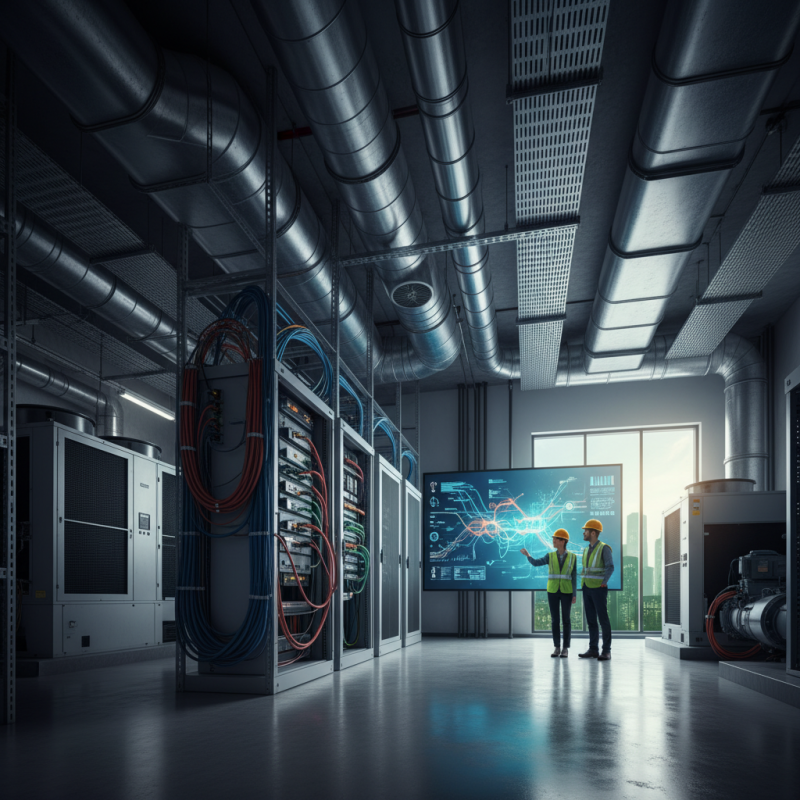
Direct Digital Control (DDC) systems are crucial in modern HVAC applications. They provide precise control over heating, cooling, and ventilation systems. This technology allows for real-time monitoring and adjustments. With DDC, HVAC systems can respond swiftly to changes in the environment. For example, if the temperature rises in a room, the DDC system can automatically adjust the cooling settings. This helps maintain comfort levels efficiently.
Implementing DDC systems also involves challenges. Many users struggle with improper calibration and data integration. Poorly designed interfaces can lead to user errors. Simple mistakes can result in energy waste. Achieving maximum efficiency requires regular maintenance and updates. Users must actively engage with the system analytics to identify patterns. Sometimes, familiarizing oneself with software updates can be frustrating. Nonetheless, understanding these systems is essential for optimizing HVAC performance.
Effective training is another critical aspect. Staff members need to understand DDC operations fully. However, many HVAC teams receive little training. This gap can hinder the system's potential. Encouraging continuous learning can help bridge this divide. In the long run, improving knowledge and skills will lead to better control and efficiency.
Maximizing the Efficiency of Direct Digital Control Systems for HVAC
Key Components of HVAC Direct Digital Control Systems
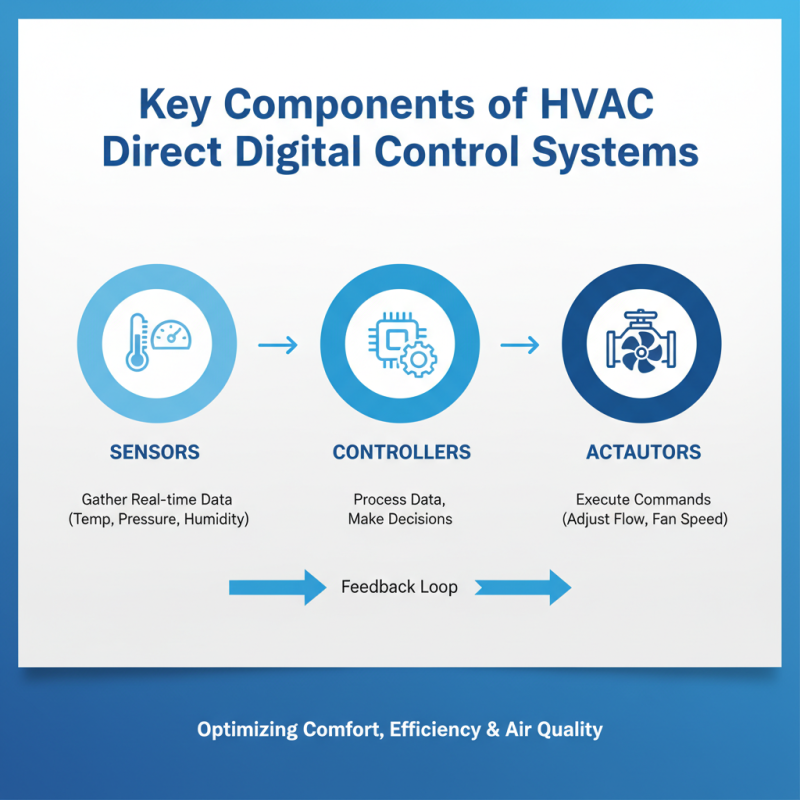
Direct Digital Control (DDC) systems play a vital role in HVAC systems. Understanding their key components can significantly enhance system performance. These components include sensors, controllers, and actuators. Each part contributes to the overall efficiency, ensuring optimal temperature, humidity, and air quality. Sensors gather data in real-time. They monitor conditions like temperature and pressure, or moisture levels. This information is crucial for maintaining comfort and energy efficiency.
Controllers process data received from sensors. They make quick decisions based on pre-set conditions. This real-time functionality allows for precise adjustments to the HVAC system. For instance, when a temperature sensor detects a rise above a set point, the controller can instruct the cooling system to activate. In fact, a study found that proper calibration of sensors can enhance system efficiency by up to 15%. Actuators then respond to these commands, physically adjusting dampers or valves to ensure proper airflow and temperature control.
However, improper calibration or maintenance of these key components can lead to inefficiencies. For example, a poorly calibrated sensor may misreport temperatures, causing unnecessary energy consumption. Regular checks and updates are essential. A report indicated that ineffective DDC systems can waste up to 30% of energy in commercial buildings. Keeping all parts aligned and functioning optimally is not just helpful; it is crucial.
Strategies for Optimizing Control Algorithms for Energy Efficiency
Optimizing control algorithms in HVAC systems is crucial for energy efficiency. Properly designed algorithms can significantly reduce energy usage. For instance, using predictive modeling can help systems anticipate changes in demand. This leads to improved performance and less energy waste.
Implementing feedback loops in control strategies is essential. These loops allow systems to adjust in real-time, reacting to changes in occupancy or temperature. However, not all buildings have the same needs. Customizing algorithms for specific environments can enhance overall efficiency. It’s important to test changes to ensure they yield positive results.
Regularly evaluating and updating control algorithms is necessary. Systems can become outdated as technology advances. Routine assessments identify bottlenecks or inefficiencies. Engaging with staff members who interact with these systems can reveal insights. Small adjustments based on user experience can lead to significant savings and improvements.
Integrating IoT Technologies with Direct Digital Control Systems
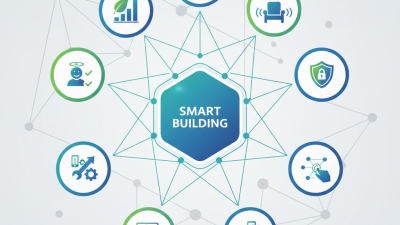
Integrating IoT technologies into Direct Digital Control (DDC) systems can greatly enhance HVAC efficiency. IoT devices collect real-time data, allowing for smarter building management. They can monitor temperature, humidity, and energy usage more accurately than traditional methods. This data aids in optimizing HVAC settings based on actual conditions, not just preset numbers. Imagine a system that adjusts itself based on occupancy, ensuring comfort and energy saving.
However, integrating IoT also poses challenges. Not all DDC systems are compatible with new IoT technologies. Existing infrastructure may require updates or replacements, which can be costly. Data security is another concern. With so many devices connected, the risk of cyber threats increases. It’s essential to implement robust security measures. Otherwise, vulnerabilities may arise, leading to breaches that compromise system integrity.
Using IoT effectively requires thoughtful planning and execution. Simply adding sensors isn’t enough. A strategy for data usage must be developed. Regular maintenance and assessment of system performance are necessary to ensure long-term success. Without these, the potential benefits of IoT integration may remain unfulfilled, leaving systems inefficient.
10 Essential Tips for Maximizing the Efficiency of Direct Digital Control Systems for HVAC
| Tip Number |
Tip Description |
Expected Impact |
Implementation Difficulty |
| 1 |
Regularly update control algorithms for optimal performance |
High efficiency and energy savings |
Medium |
| 2 |
Integrate IoT sensors for real-time monitoring |
Improved data accuracy and system responsiveness |
High |
| 3 |
Utilize predictive analytics for maintenance |
Reduction in equipment downtime |
High |
| 4 |
Implement demand-controlled ventilation |
Energy savings based on occupancy |
Medium |
| 5 |
Automate system diagnostics and reporting |
Quick identification of system issues |
Medium |
| 6 |
Enhance user interfaces for easier control |
Increased user satisfaction and efficiency |
Low |
| 7 |
Regular training for staff on new technologies |
Higher operational efficiency |
Low |
| 8 |
Ensure data security and system integrity |
Protection against cyber threats |
High |
| 9 |
Monitor and optimize energy usage continuously |
Sustained operational cost savings |
Medium |
| 10 |
Conduct regular system assessments and upgrades |
Increased reliability and efficiency |
High |
Regular Maintenance Practices to Enhance System Performance
Regular maintenance is crucial for optimizing the performance of direct digital control systems in HVAC. It ensures that equipment runs smoothly, which saves energy and money. For example, checking and replacing filters can improve air flow. Clogged filters restrict airflow and reduce efficiency. This simple practice prevents unnecessary strain on the system.
Furthermore, calibrating sensors is essential. Sensors often drift over time, leading to inaccurate readings. Regular calibration can help maintain proper temperature and humidity levels. It prevents the system from working harder than needed. Additionally, cleaning the ductwork removes dust and debris that might impede airflow. This step often gets overlooked, leading to increased energy costs.
Maintenance schedules can be hard to adhere to. Sometimes, it feels like a chore. However, neglecting this aspect can lead to major issues later on. Implementing a transparent log for maintenance tasks might help. This visual reminder keeps track of what needs to be done. Sometimes, we focus too much on immediate results rather than long-term benefits. Regular checks build a foundation for sustained efficiency.