What is HVAC DDC Panel and Its Importance for Global Buyers?
The HVAC DDC panel is an essential component for effective climate control in buildings. It stands for Heating, Ventilation, and Air Conditioning Direct Digital Control. This technology optimizes energy use and enhances comfort levels. Understanding its functions is vital for global buyers seeking efficiency in their systems.
The importance of the HVAC DDC panel cannot be overstated. It allows for precise control of various HVAC components. In today’s market, energy efficiency is crucial. Buyers must realize how integrating this panel can lead to significant cost savings. However, many still overlook its potential impact on operations and comfort.
Buyers need to be aware of the complexities involved. Not every HVAC DDC panel is created equal. Some may not offer the reliability needed for large systems. It's important to research suppliers carefully to ensure quality and support. Balancing technology with user needs remains a challenge. Ultimately, a well-chosen HVAC DDC panel can transform a building's performance.
What is an HVAC DDC Panel?
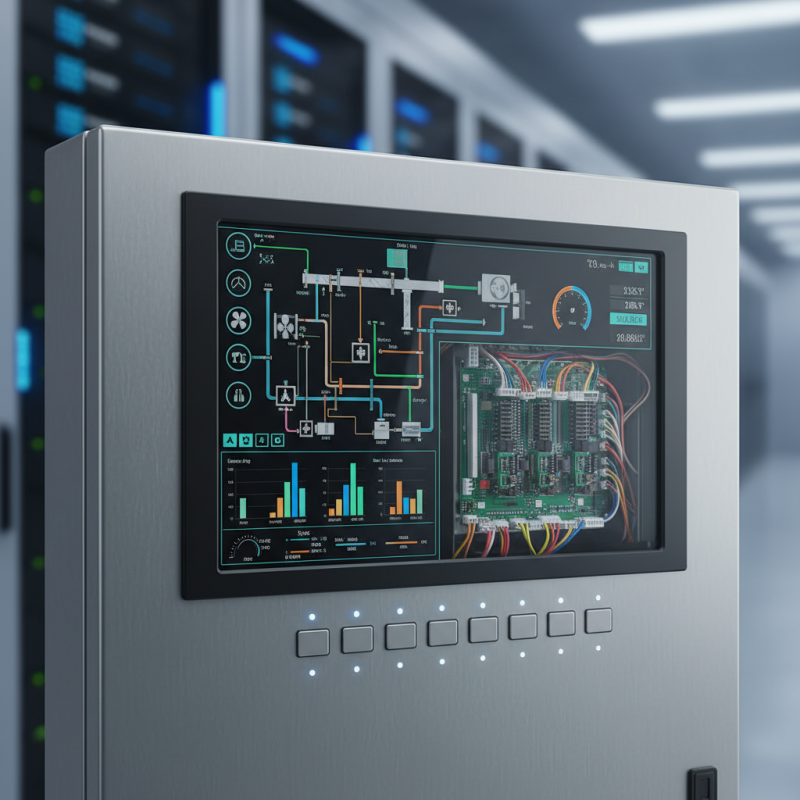
An HVAC DDC (Direct Digital Control) panel is a vital component in modern heating, ventilation, and air conditioning systems. This panel manages and monitors HVAC systems through digital signals, enhancing efficiency and control. According to the market research firm MarketsandMarkets, the global HVAC controls market is expected to reach $27.5 billion by 2026, driven largely by advancements in DDC technology.
The DDC panel ensures that temperature and air quality meet specific guidelines, reducing energy consumption. Studies reveal that proper control can lead to energy savings of 20-30%. This data highlights the importance of integrating advanced monitoring systems in commercial buildings. However, many buildings still utilize outdated systems, which could hinder efficiency and comfort.
The need for reliable data from DDC panels cannot be overstated. Accurate monitoring facilitates timely maintenance, preventing costly downtime. Yet, not all users leverage this data effectively. Many organizations struggle to analyze and act on this information. Therefore, understanding and utilizing HVAC DDC panels may not just improve comfort, but also significantly lower operational costs.
Key Components of HVAC DDC Panels
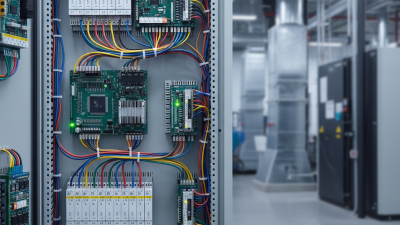
HVAC DDC panels play a crucial role in modern building management. These systems help control heating, ventilation, and air conditioning by using direct digital control. A well-designed panel includes key components like sensors, actuators, and controllers. Each element contributes to the overall efficiency and effectiveness of the HVAC system.
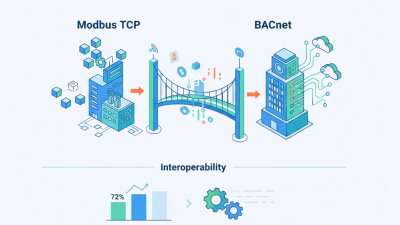
The sensors continuously monitor environmental conditions such as temperature and humidity. They send real-time data to the controller, which processes this information. The controller then operates actuators to adjust systems accordingly. This feedback loop enhances comfort and energy efficiency in various settings. However, integrating these components can be challenging. Ensuring compatibility among different devices is essential but not always straightforward.
Reliability is critical. A faulty sensor can lead to improper climate settings, wasting energy and increasing costs. Regular maintenance is necessary to keep DDC panels functioning optimally. Global buyers must consider these factors when selecting HVAC DDC panels. It’s important to ensure that all components meet industry standards. The right choices can lead to significant improvements in building management and resource efficiency.
HVAC DDC Panel Key Components & Their Importance
Functionality of HVAC DDC Panels in Modern Building Systems
HVAC DDC (Direct Digital Control) panels are vital in modern building management systems. They ensure efficient operation of heating, ventilation, and air conditioning. These panels regulate temperatures, manage air quality, and enhance overall comfort. Their centralized control allows for quick adjustments to system settings based on real-time data. This adaptability is crucial in today’s dynamic environments, where energy efficiency is paramount.
One key function of HVAC DDC panels is their ability to monitor various building systems. Sensors collect data on temperature, humidity, and occupancy levels. This information helps optimize energy use and maintain a comfortable atmosphere. For global buyers, understanding this functionality can help in selecting the right systems for specific needs. Equally important is the potential for remote monitoring. Building managers can make adjustments without physically being on-site. This feature increases efficiency and can save time and resources.
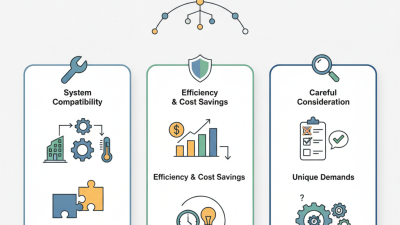
Tips: When evaluating HVAC DDC panels, consider the compatibility with existing systems. Look for panels that offer easy integration and user-friendly interfaces. Regular updates and maintenance are also important. Ensure your team is trained to use these technologies effectively. Investing time in training can yield better performance and longer system life.
Benefits of Using HVAC DDC Panels for Global Buyers
HVAC DDC (Direct Digital Control) panels are gaining traction among global buyers. These panels streamline operations in heating, ventilation, and air conditioning systems. According to a 2022 market research report, the global HVAC controls market is projected to grow at a CAGR of 7.2% from 2021 to 2026. This growth highlights the increasing reliance on advanced controls for energy efficiency.
One key advantage of HVAC DDC panels is improved energy efficiency. Studies show that implementing DDC systems can lead to energy savings of up to 30%. These figures matter as climate consciousness rises and energy costs fluctuate. However, not all systems are perfect. Implementation can be complex, requiring skilled professionals for effective installation and maintenance.
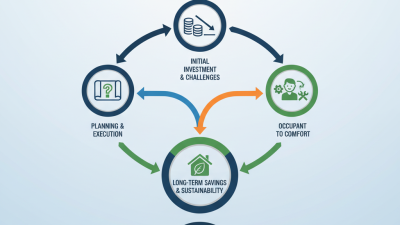
Another benefit lies in real-time monitoring. DDC panels enable users to track system performance and respond swiftly to anomalies. This capability can reduce downtime by 25%, according to industry reports. However, initial investment costs can be significant. Buyers must weigh long-term savings against upfront expenses. In conclusion, HVAC DDC panels offer substantial advantages but require careful consideration and planning to maximize their benefits.
What is HVAC DDC Panel and Its Importance for Global Buyers? - Benefits of Using HVAC DDC Panels for Global Buyers
| Feature |
Description |
Benefits |
| Automation Control |
Automated control of HVAC systems for optimal performance. |
Improves energy efficiency and reduces manual intervention. |
| Remote Monitoring |
Allows users to monitor HVAC systems from a remote location. |
Enhances convenience and enables timely maintenance. |
| Data Logging |
Records HVAC performance data for analysis. |
Aids in troubleshooting and optimizing system performance. |
| Energy Consumption Reports |
Generates reports on energy usage. |
Helps in identifying wasteful practices and planning energy savings. |
| Scalability |
Can be scaled to control multiple buildings or zones. |
Flexibility to accommodate changing needs and system expansions. |
| User-Friendly Interface |
Intuitive interface for easy operation and management. |
Reduces training time and increases user satisfaction. |