10 Essential Tips for Optimizing Your HVAC DDC Panel
In the world of HVAC systems, optimizing your HVAC DDC Panel is crucial for efficiency. Renowned industry expert, John Smith, once stated, "A well-optimized DDC panel can save energy and enhance comfort." His insight emphasizes the importance of fine-tuning these control systems.
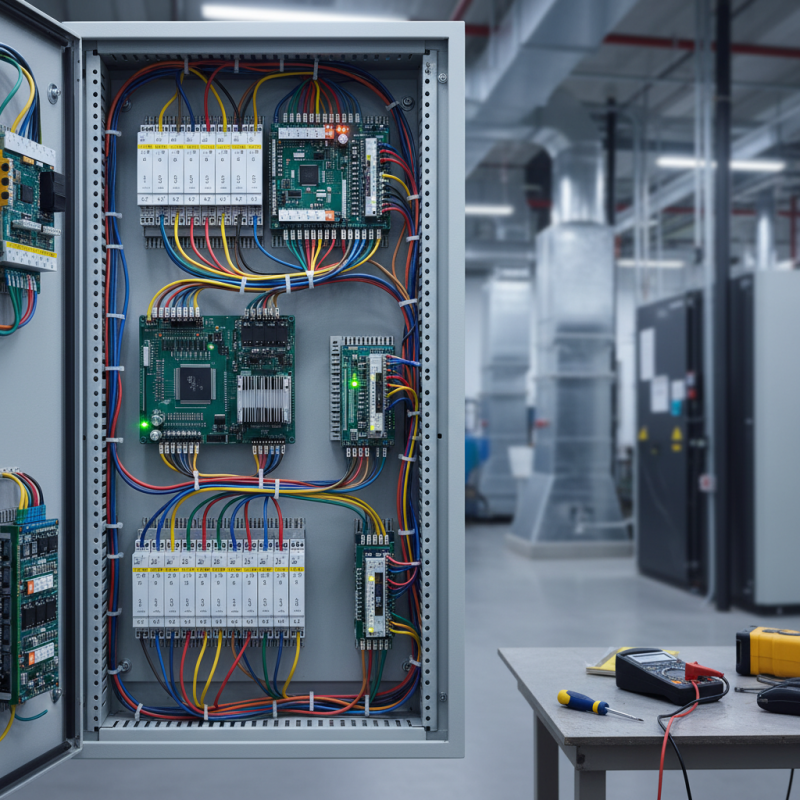
An HVAC DDC Panel regulates heating, ventilation, and air conditioning processes. Proper optimization can significantly reduce energy costs while improving indoor air quality. However, many systems remain underperforming. Issues can stem from outdated technology or improper configuration.
Understanding the potential of your HVAC DDC Panel is essential. It involves regular maintenance, software updates, and efficient sensor usage. Small adjustments can lead to noticeable changes. Often, operators overlook these aspects. By reflecting on these strategies, facilities can achieve a more efficient HVAC system.
Understanding HVAC DDC Panels and Their Importance in HVAC Systems
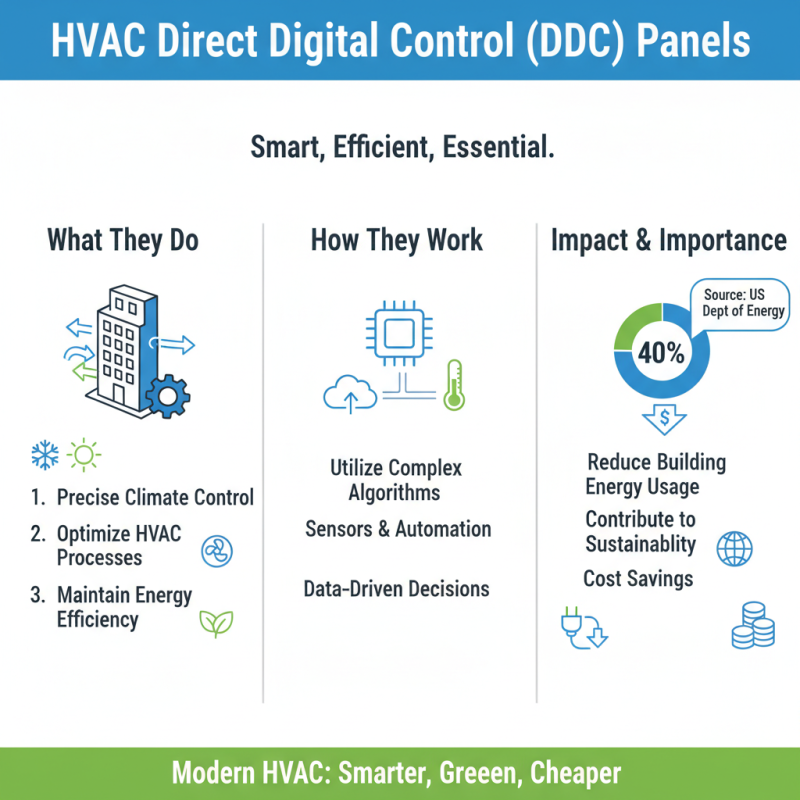
HVAC Direct Digital Control (DDC) panels play a crucial role in modern HVAC systems. They provide precise control over heating, ventilation, and air conditioning processes. These panels utilize complex algorithms to maintain optimal indoor climates, ensuring energy efficiency. According to the U.S. Department of Energy, buildings account for nearly 40% of total energy consumption. Efficient HVAC systems can significantly reduce this figure.
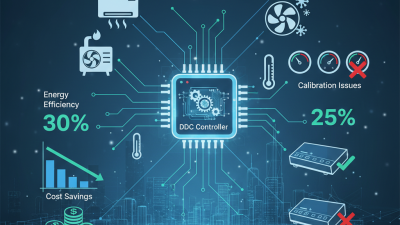
Understanding DDC systems helps identify areas needing improvement. Effective monitoring allows for timely maintenance and less downtime. Research indicates that improper calibration can lead to energy waste, costing businesses thousands annually. In fact, a poorly optimized system can increase energy costs by up to 30%. Regular assessments of your DDC panel can reveal inefficiencies and enhance overall performance.
Many facilities lack proper training in DDC technology. This gap can lead to underutilization of system capabilities. Employees often miss advanced features that optimize energy savings. Additional training can improve system usage and increase staff confidence. Rectifying this can lead to substantial savings and better indoor air quality. It's essential to recognize the importance of continuous learning in this field.
Key Features to Consider When Optimizing Your HVAC DDC Panel
When optimizing your HVAC DDC panel, several key features should be prioritized for efficiency and performance. One crucial aspect is the control strategy. According to a recent report by the American Society of Heating, Refrigerating, and Air-Conditioning Engineers (ASHRAE), effective control strategies can reduce energy consumption by up to 30%. This can often be achieved by using data-driven algorithms that adapt to real-time conditions.
Another important feature is integration capabilities. A DDC panel that seamlessly connects with building management systems enhances monitoring. The International Energy Agency (IEA) highlights that integrated systems can lead to a 25% reduction in operational costs. Additionally, user interfaces that provide intuitive data visualization are essential for operators. However, it's common to overlook this element, resulting in under-utilized features.
Lastly, maintenance access is often neglected in the design phase. Regular audits and checks are vital. Studies indicate that up to 15% of HVAC issues stem from inadequate maintenance practices. Owners should reflect on whether their system provides easy access for routine inspections. Addressing these features can dramatically improve performance and extend the lifespan of your HVAC DDC panel.
10 Essential Tips for Optimizing Your HVAC DDC Panel - Key Features to Consider
| Feature |
Description |
Importance Level (1-5) |
| Energy Efficiency |
Utilize energy-efficient settings to reduce operational costs. |
5 |
| User-Friendly Interface |
Ensure the panel features an intuitive interface for easy navigation. |
4 |
| Remote Monitoring |
Incorporate capabilities for remote access and monitoring of system performance. |
5 |
| Real-time Analytics |
Provide analytical data to optimize HVAC operation in real time. |
4 |
| Integration Capabilities |
Ensure compatibility with other building management systems. |
5 |
| Customizable Settings |
Allow users to customize settings based on their specific needs. |
3 |
| Secure Access |
Implement strong security protocols to protect system access. |
5 |
| Mobile Application |
Develop a mobile app for convenient panel management on-the-go. |
4 |
| Data Logging |
Include data logging features for historical analysis and reporting. |
4 |
| Alerts and Notifications |
Set up alerts for maintenance needs or performance anomalies. |
5 |
Strategies for Effective Programming and Configuration of HVAC DDC Panels
Programming and configuring HVAC DDC panels can be challenging. Many technicians encounter common pitfalls during this process. For example, using default settings may not suit specific building needs. A personalized approach can yield better results. Taking time to assess your system's layout is essential. Understanding each zone's requirements can lead to improved efficiency.
When programming, clarity is key. Avoid overly complex code. Instead, aim for simplicity. Commenting on your code helps others understand your logic. Regularly reviewing and updating the configuration is crucial. Technology changes, and so do building dynamics. Neglecting this can lead to outdated systems that waste energy.
Testing your setup is often overlooked. Don't assume everything works just because it appears fine. Manual checks can reveal unexpected issues. Engaging with other professionals can provide fresh insights. Sometimes, collaboration leads to innovative solutions. Consider feedback from users to refine your system further. Adapting and learning from each configuration can enhance overall performance.
HVAC DDC Panel Optimization Strategies
Best Practices for Routine Maintenance and Troubleshooting HVAC DDC Panels
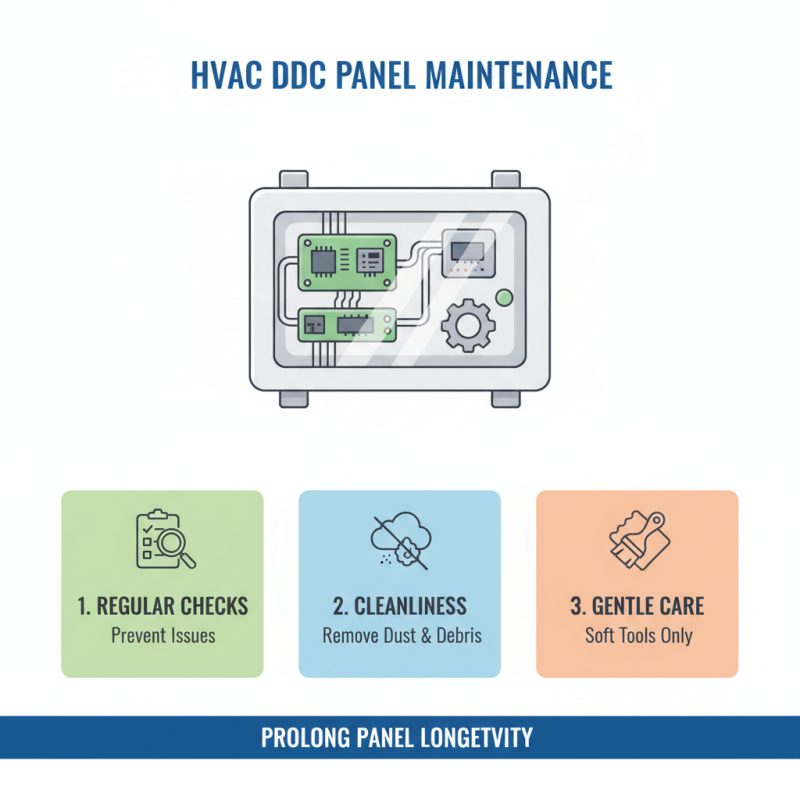
Maintaining your HVAC DDC panel is crucial for its longevity. Regular checks can prevent major issues. Dust can accumulate over time. Ensure you clean the panel and surrounding areas regularly. Use a soft brush or cloth to avoid damaging sensitive components.
Take time to inspect connections. Loose wires or connectors can lead to malfunctions. If something looks off, don't hesitate to tighten or replace it. Another common oversight is software updates. Keeping your system software current can resolve bugs and enhance performance. Sometimes, users overlook this step, thinking everything works fine.
Be vigilant about temperature sensors. They should be calibrated correctly. An uncalibrated sensor can misread conditions, affecting performance. Lastly, document any issues you encounter. This information can help diagnose recurring problems. It’s also helpful for future troubleshooting efforts. Addressing small problems early can save time and money later. Regular maintenance is an evolving process that requires your attention and care.
Enhancing Energy Efficiency Through Advanced HVAC DDC Panel Techniques
Optimizing your HVAC DDC panel can significantly boost energy efficiency. Many building managers overlook simple adjustments that can yield impressive results. For instance, fine-tuning setpoints can enhance system performance. Even a small change can lower energy consumption while maintaining comfort.
Consider scheduling regular maintenance checks. Dust and debris can accumulate in the panel, affecting its operation. Neglecting this can lead to energy waste. The goal is to keep everything running smoothly. It’s also important to train staff on basic troubleshooting techniques. Unreported issues can escalate, resulting in higher costs and wasted resources.
Age and wear on components can impact efficiency as well. Outdated sensors may provide inaccurate readings. This can lead to inefficient heating or cooling cycles. Keeping a close eye on component life can help avoid these pitfalls. Making small improvements regularly can help create a more energy-efficient system over time. Sometimes, it’s about the details that we often take for granted.