Why is a Ddc Panel for Ahu Essential for Efficient HVAC Systems?
In modern HVAC systems, the role of a Ddc Panel for Ahu cannot be overstated. These panels serve as the brain of the air handling units, orchestrating complex temperature and humidity controls. According to a report by the American Society of Heating, Refrigerating and Air-Conditioning Engineers (ASHRAE), properly managed HVAC systems can achieve energy savings of up to 30%.
Furthermore, integrating advanced Ddc Panels for Ahu allows for enhanced system responsiveness and improved indoor air quality. Data from the U.S. Department of Energy indicates that buildings equipped with smart technology can reduce operational costs significantly. However, the implementation of these systems can be challenging. Many facilities still rely on outdated controls, leading to inefficiencies and wasted energy.
Investing in a Ddc Panel for Ahu is vital for any facility prioritizing efficiency and sustainability. While there are upfront costs involved, the long-term benefits are clear. Comprehensive analysis and training are essential to maximize the potential of these advanced systems. Without proper understanding, the investment may not yield the expected results.
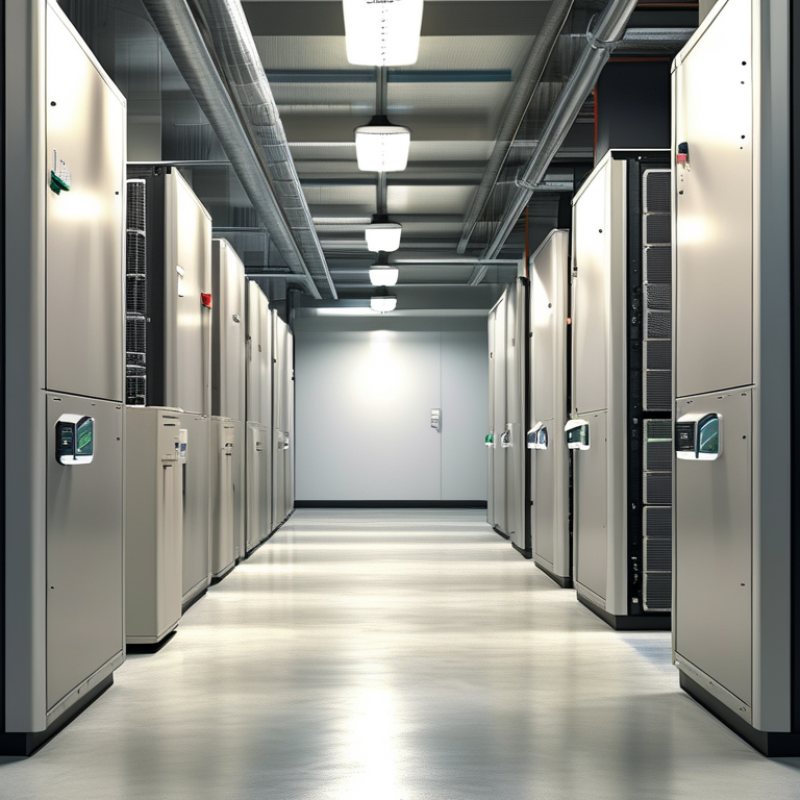
Understanding the Role of DDC Panels in HVAC Systems
The role of DDC panels in HVAC systems is crucial for enhancing operational efficiency. These panels serve as the brain of the HVAC system, allowing for precise control over heating, ventilation, and air conditioning. By integrating sensors and control algorithms, DDC panels optimize system performance.
They adjust airflow, temperature, and humidity levels based on real-time data, ensuring that the environment remains comfortable and energy-efficient.
DDC panels also enable remote monitoring and control. This capability allows facility managers to address issues promptly. However, installations can sometimes feel complex.
If poorly configured, they may lead to inefficiencies or increased energy consumption. Regular training and updates are vital for maintaining the system’s effectiveness.
Utilizing DDC technology can seem overwhelming, yet its benefits are significant when implemented correctly.
Furthermore, these panels contribute to long-term savings. They can identify problems before they escalate, reducing maintenance costs. It is essential to understand how to leverage these controls effectively.
Investing time in learning about their functions pays dividends in sustainability and cost management. By understanding the integral role of DDC panels, we can enhance HVAC systems beyond simple functionality.
Key Components of DDC Panels for Air Handling Units
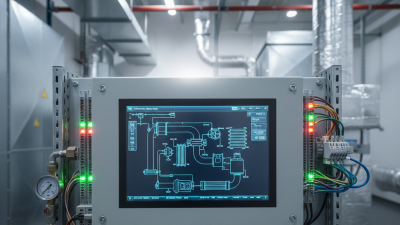
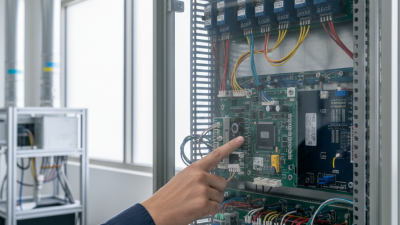
DDC panels are crucial components of Air Handling Units (AHUs). They enable precise control of HVAC systems. These panels facilitate communication between various sensors and equipment. Essential parts of a DDC panel include microcontrollers, sensors, and communication devices. Microcontrollers process data efficiently. Sensors detect temperature, humidity, and air quality.
[Image]
Communication devices ensure seamless data transfer between the DDC panel and HVAC components. They allow for real-time monitoring and adjustments. This dynamic interaction enhances system efficiency. It can lead to significant energy savings. However, poorly configured settings can result in inefficiencies. Regular maintenance is necessary to avoid such pitfalls.
Installation can be complex, often requiring expert assistance. Understanding system requirements is vital for optimal performance. Analyzing data trends helps identify areas for improvement. Data analytics play a pivotal role in proactive HVAC management. Proper integration of these elements can maximize the benefits of DDC panels in AHUs.
Benefits of Implementing DDC Panels in HVAC Efficiency
Implementing Direct Digital Control (DDC) panels in HVAC systems can significantly enhance efficiency. These panels allow for real-time monitoring and control of air handling units (AHUs). They optimize energy usage by adjusting the system based on actual demand. This means less energy waste and lower utility bills.
DDC panels enhance system responsiveness. They automatically adjust temperature and airflow based on occupancy and weather conditions. This adaptability can lead to improved indoor comfort. However, the installation phase can be complex. Staff training is necessary to ensure effective use of the technology. The initial costs may deter some, but the long-term savings often justify the investment.
Understanding the unique needs of your facility is vital. Each HVAC system has different requirements and challenges. Implementing DDC panels is not a one-size-fits-all solution. Regular assessments and adjustments are essential for optimal performance. Engaging with experts to analyze your specific situation can enhance the benefits of DDC technology.
Impact of DDC Panels on HVAC Efficiency
How DDC Panels Enhance Monitoring and Control of Airflow
DDC panels play a crucial role in enhancing the monitoring and control of airflow in HVAC systems. By employing Direct Digital Control technology, these panels provide real-time insights into environmental conditions. This allows for quick adjustments to be made, significantly improving system efficiency. According to recent industry reports, approximately 30% of energy consumption in commercial buildings can be attributed to HVAC systems. Efficient airflow management can reduce this figure substantially.
Monitoring airflow is essential for maintaining indoor air quality. DDC panels help to manage fan speeds and damper positions, ensuring that air is distributed evenly throughout the space. A study from the U.S. Department of Energy found that optimizing airflow can cut energy costs by up to 25%. This optimization is crucial in reducing operational costs for facilities while ensuring occupant comfort.
Tips: Regularly update your DDC panel software. This ensures you have the latest features and security enhancements. Consider investing in training for your staff. Familiarity with the system leads to better control and monitoring of airflow. Data analysis can reveal patterns that inform maintenance schedules, further enhancing system reliability.
Future Trends in DDC Panel Technology for Optimal HVAC Performance
The future of DDC panel technology for HVAC systems is evolving rapidly. Smart building integration is now key. DDC panels can connect with IoT devices. This connection allows for real-time data analytics. Advanced algorithms can predict maintenance needs. These actions can help avoid costly downtimes.
Energy efficiency is another focus area. New sensors provide more precise temperature readings. They can adapt to user preferences. This leads to optimized energy consumption. Some systems now use machine learning. This innovation enhances performance by learning patterns over time. However, adapting to these changes may be challenging.
Cybersecurity is becoming crucial in DDC panel development. As connectivity increases, so do risks. Manufacturers are exploring advanced encryption techniques. Cyber threats can impact reliability. Users will need to remain vigilant. Continuous training and awareness programs will be important. The integration of technology presents both opportunities and challenges. It's vital to stay ahead of these trends.