Understanding DDC Panels for HVAC Systems and Their Importance
The integration of Direct Digital Control (DDC) panels for HVAC systems has become a pivotal aspect of modern building management, significantly enhancing energy efficiency and operational effectiveness. According to the American Society of Heating, Refrigerating and Air-Conditioning Engineers (ASHRAE), the optimal control of HVAC systems can lead to energy savings of up to 30% when employing advanced control technologies such as DDC. These panels enable precise monitoring and adjustment of environmental conditions, which is crucial in a landscape where energy consumption is heavily scrutinized amidst rising global energy demands.
Furthermore, the U.S. Department of Energy reports that approximately 40% of energy used in commercial buildings stems from HVAC systems, underscoring the importance of implementing sophisticated management tools like DDC panels for HVAC. By utilizing DDC technology, facility managers can not only reduce operational costs, but also ensure compliance with increasingly stringent energy regulations and sustainability goals. In this context, understanding DDC panels for HVAC systems goes beyond mere technical knowledge; it embodies a strategic approach that aligns with industry trends towards smart building technologies and environmentally responsible operations.
Understanding DDC Panels: Definition and Overview
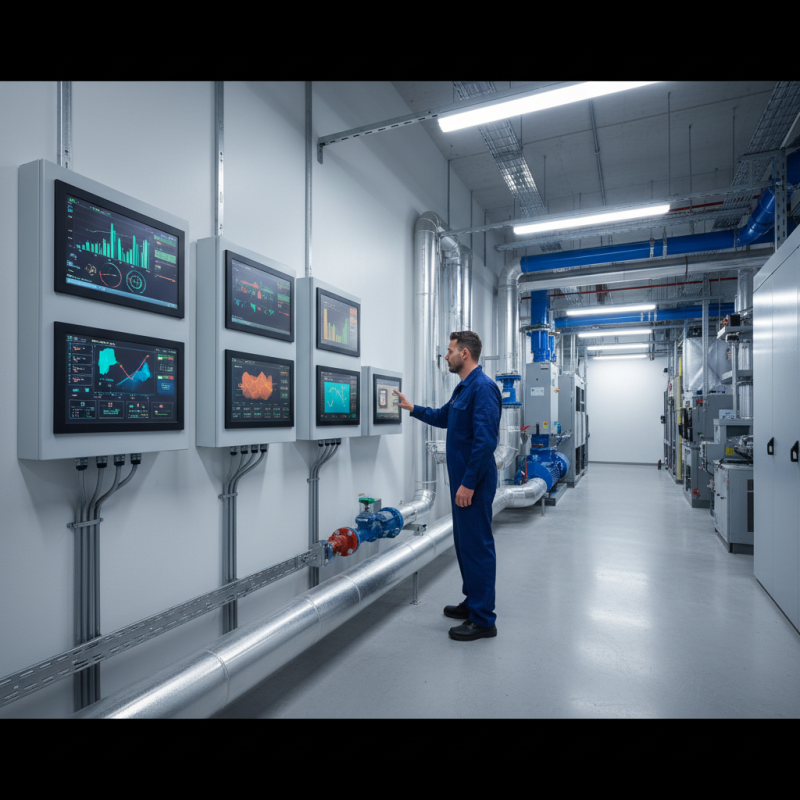
DDC panels, or Direct Digital Control panels, are integral components of HVAC (Heating, Ventilation, and Air Conditioning) systems, playing a crucial role in managing environmental conditions. These panels utilize digital technology to monitor and control various aspects of HVAC systems, ensuring that temperatures, humidity levels, and air quality are maintained within optimal settings. By replacing traditional mechanical controls, DDC panels provide enhanced accuracy, efficiency, and flexibility in system management.
The primary function of DDC panels is to collect data from sensors located throughout the HVAC system, allowing for real-time adjustments and automation of operations. This results in improved energy efficiency and reduced operational costs. Additionally, DDC panels can be integrated into building management systems, enabling centralized control and monitoring of multiple HVAC units. This capability not only streamlines maintenance but also enhances overall occupant comfort by ensuring consistent environmental conditions. Understanding DDC panels is essential for anyone involved in HVAC design, installation, and management, as they represent the future of efficient building climate control.
Key Components of DDC Panels in HVAC Systems
DDC (Direct Digital Control) panels are essential components of HVAC systems,
playing a crucial role in managing and optimizing the performance of heating, ventilation, and air conditioning operations.
One of the key components of DDC panels is the microprocessor-based controller, which acts as the brain of the system.
This controller continuously monitors environmental conditions, such as temperature, humidity, and air quality, to adjust the operation of various HVAC units accordingly.
By automating these adjustments, DDC panels enhance energy efficiency and maintain comfortable indoor climates.
Another significant component is the network interface, which allows the DDC panel to communicate with other devices in the HVAC system.
This connectivity enables real-time data sharing and remote monitoring capabilities, which are vital for effective building management.
Additionally, sensors and actuators are integrated into the DDC system to provide feedback and execute commands, ensuring that the HVAC system operates smoothly.
The integration of these components helps to optimize energy use, reduce operational costs, and improve overall system reliability, making DDC panels indispensable for modern HVAC systems.
The Role of DDC Panels in Energy Efficiency
DDC (Direct Digital Control) panels play a crucial role in enhancing the energy efficiency of HVAC systems. By providing precise control over temperature, humidity, and ventilation, these systems optimize energy usage, leading to significant cost savings and reduced environmental impact. The ability of DDC panels to gather real-time data and make instantaneous adjustments ensures that energy is not wasted on unnecessary heating or cooling, ultimately leading to improved operational efficiency.
Tips for maximizing energy efficiency with DDC panels include regularly updating software and calibrating sensors to ensure accuracy. Proper maintenance of the HVAC system can also help, as issues like blocked filters or faulty components can lead to inefficiencies. Additionally, utilizing demand-controlled ventilation can further optimize energy use, ensuring that airflow is adjusted based on occupancy levels rather than running at full capacity at all times.
Integrating DDC systems with advanced building management systems can provide a comprehensive view of energy consumption patterns. This integration allows for better analysis and forecasting, enabling facility managers to implement strategies that address inefficiencies and promote sustainability. By making informed decisions based on data collected from DDC panels, organizations can significantly enhance their energy management efforts and lower their operational costs.
Understanding DDC Panels for HVAC Systems and Their Importance
| Dimension |
Data |
| DDC Panel Type |
Microprocessor-based DDC |
| Typical Control Functions |
Temperature, Humidity, Air Quality |
| Energy Savings |
20-40% compared to traditional systems |
| Integration Capabilities |
Compatible with BMS, IoT devices |
| User Interface Type |
Touchscreen, Web-based |
| Installation Time |
1-3 days depending on the system |
| Maintenance Frequency |
Annually recommended |
Common Applications of DDC Panels in Commercial Buildings
DDC (Direct Digital Control) panels play a vital role in the management of HVAC systems within commercial buildings, ensuring optimal performance, energy efficiency, and comfort. Understanding the common applications of these panels highlights their significance in various operational environments. One primary application of DDC panels is in temperature control across large office spaces. By allowing precise adjustments and monitoring through sensors, DDC systems facilitate consistent climate regulation, which is essential for employee comfort and productivity.
Another significant application is in energy management. DDC panels enable building managers to monitor energy usage in real-time, leading to better decision-making regarding energy consumption. Through automated control of heating and cooling schedules, buildings can reduce unnecessary energy expenditure, contributing to sustainability efforts. Additionally, DDC systems can be integrated with existing building management systems to coordinate lighting and HVAC functionalities for enhanced efficiency, ultimately leading to significant cost savings for commercial properties.
Understanding DDC Panels in HVAC Systems
Future Trends in DDC Panel Technology and HVAC Integration
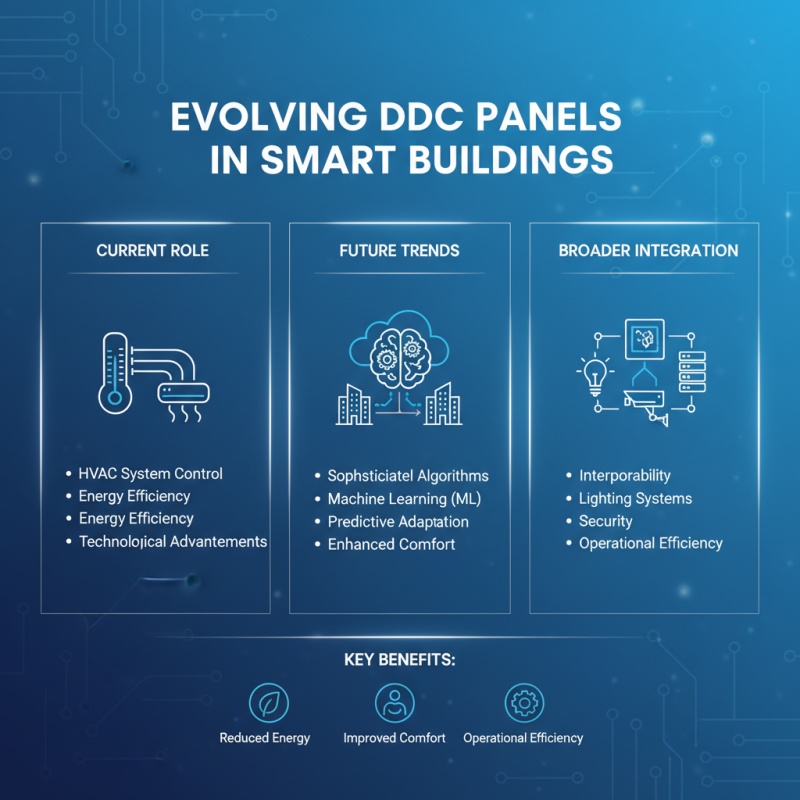
The integration of Direct Digital Control (DDC) panels within HVAC systems is evolving rapidly, driven by advancements in technology and the growing demand for energy-efficient solutions. As buildings become smarter, DDC panels are poised to play a crucial role in facilitating interoperability among various systems, from lighting to security, enhancing overall operational efficiency. Future trends indicate a shift towards more sophisticated algorithms and machine learning capabilities, enabling these systems to predict and adapt to user behavior and environmental changes, significantly improving comfort and reducing energy consumption.
Additionally, the rise of the Internet of Things (IoT) is transforming DDC panel technology, making it possible for HVAC systems to be managed remotely through mobile devices or centralized dashboards. This connectivity not only allows for real-time monitoring and adjustments but also enables HVAC systems to generate valuable data for predictive maintenance, reducing downtime and operational costs. As sustainability continues to be a key focus, integrating DDC panels with renewable energy sources and smart grid technologies will further enhance their importance, paving the way for a more responsive and eco-friendly built environment. These trends highlight the necessity for HVAC professionals to stay informed and adapt to technological advancements to meet future demands effectively.