How to Choose the Best Direct Digital Controller for Your Needs?
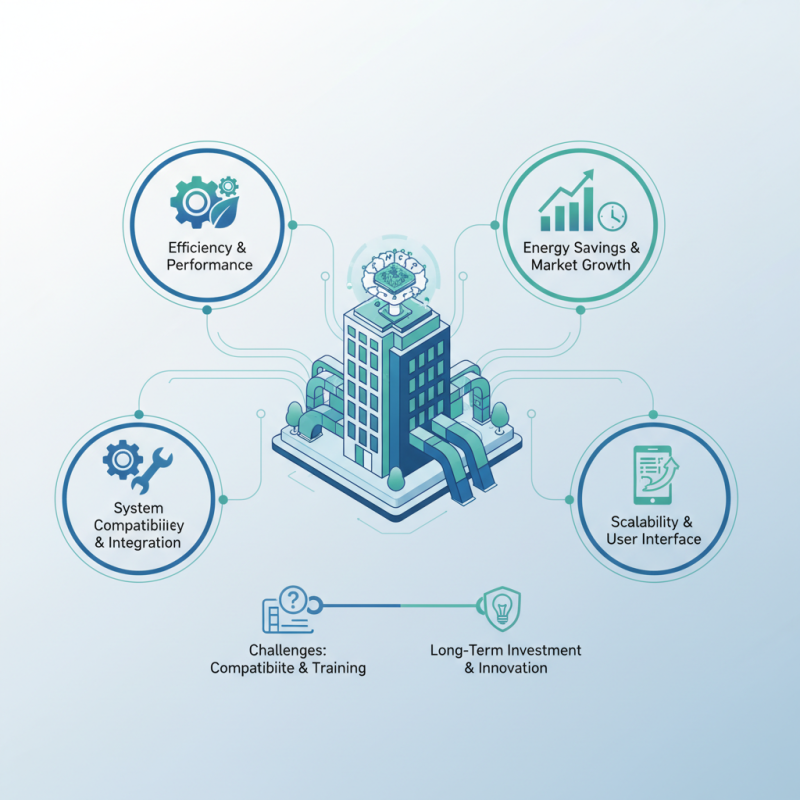
Choosing the right Direct Digital Controller (DDC) can significantly impact efficiency and performance in HVAC systems. According to a recent report by MarketsandMarkets, the DDC market is expected to reach $8.7 billion by 2026, highlighting its growing importance in energy management. Experts emphasize the need for tailored solutions; Dr. Emily Sanders, an authority in building automation, states, "Understanding your specific requirements is crucial in selecting a Direct Digital Controller."
The functionality of a DDC lies in its ability to manage complex systems with precision. Effective integration can lead to substantial energy savings. However, many companies still face challenges when choosing the correct controller. Common pitfalls include overlooking system compatibility and insufficient staff training. Striking a balance between advanced features and practical usability is often difficult.
In an era where technology evolves rapidly, keeping pace with innovations is essential. Carefully considering factors such as scalability and user interface can make a difference. The choice of the right Direct Digital Controller not only enhances operational workflows but also ensures better long-term investment. Reflection on these aspects is key to making an informed decision in a competitive landscape.
Understanding the Basics of Direct Digital Controllers (DDCs)
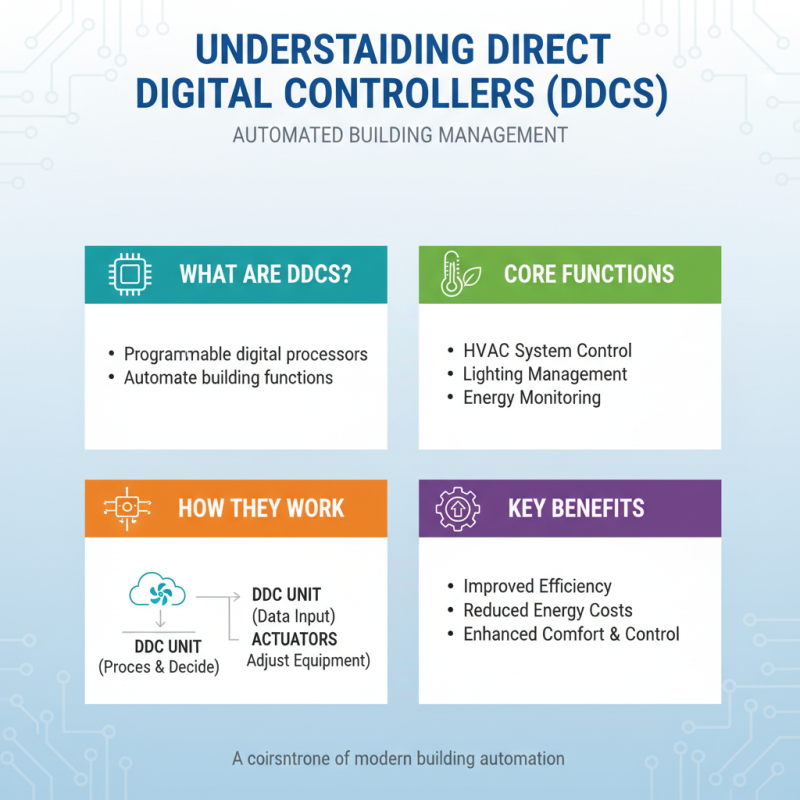
Direct Digital Controllers (DDCs) play a crucial role in modern building management systems. They offer precise control over HVAC systems, lighting, and other critical functions. Understanding how they work can greatly improve the efficiency of any facility. DDCs are programmed to monitor and adjust operations automatically, making them a cornerstone of automated systems.
These controllers operate using sensors that gather real-time data. The data informs how the system reacts to changes in temperature, humidity, and occupancy. For instance, in a commercial building, if the temperature rises above a set point, the DDC can activate cooling systems. Such dynamic responses enhance comfort and energy use. However, it is vital to ensure that the sensors are calibrated correctly. Mismatched readings can lead to inefficient operations.
When selecting a DDC, consider your specific needs. Pay attention to factors like the number of controlled zones and integration capabilities with existing systems. It's essential to reflect on your building's unique layout and usage. Not all systems will fit every scenario perfectly. Identify potential issues early. A well-chosen DDC can streamline operations, but poor choices might lead to wasted resources. Thus, understanding the basics of DDCs helps make informed decisions for effective building management.
Assessing Compatibility with Existing HVAC or Automation Systems
Choosing the right direct digital controller (DDC) for your HVAC or automation systems can be challenging. One crucial step is evaluating compatibility with your existing systems. Not all controllers will work seamlessly together, which can lead to inefficiencies. Before making a decision, it is essential to check communication protocols and wiring types.
Consider the specifications of your current system. Are there existing building management systems in place? Understanding their configurations can aid in selecting a controller that integrates smoothly. For example, if your heating system relies on a specific protocol, a controller must support that to avoid potential issues. Compatibility can also impact your system’s expandability in the future.
Compatibility assessments might reveal unforeseen limitations. You may find your desired DDC lacks support for essential features. Documenting your existing setup can help highlight gaps. It is wise to consult with experts who can identify potential integration problems. A small oversight in compatibility may lead to larger disruptions in operations later. Thus, careful evaluation is necessary for a successful controller selection process.
Assessing Compatibility of Direct Digital Controllers with Existing HVAC Systems
Evaluating the Scalability and Flexibility of DDC Solutions
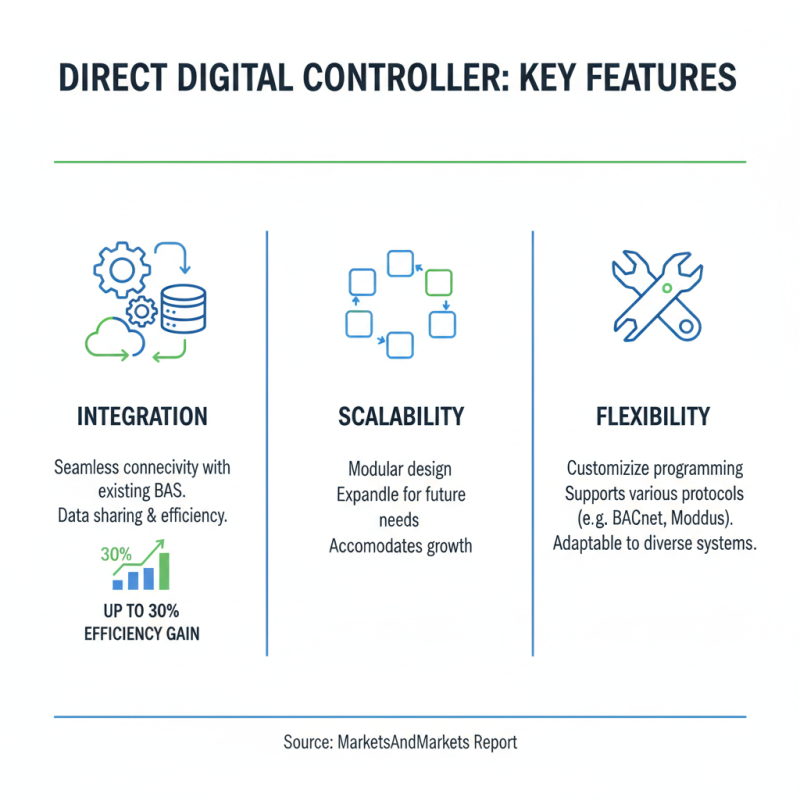
When selecting a Direct Digital Controller (DDC), understanding scalability and flexibility is crucial. Scalability allows a control system to grow with your operations. A good DDC can adapt to adding more devices or increasing complexity without needing a complete overhaul. This trait is vital for businesses planning expansion.
Flexibility ensures the DDC can integrate with various protocols and systems. This attribute allows for easier updates and changes in technology. Many organizations face unexpected challenges due to rigid systems that stifle innovation. Adopting a flexible DDC solution mitigates this risk.
Tips for evaluating scalability and flexibility:
- Assess your current and future needs. This ensures the DDC can adapt as your requirements evolve.
- Seek user-friendly interfaces. These interfaces can streamline transitions, making it simpler to implement changes.
- Investigate the technical support available. Reliable assistance enhances the effectiveness of any system and contributes to long-term success.
It is important to reflect on these aspects carefully. Choosing the wrong controller can limit growth and complicate operations. Prioritizing scalability and flexibility will pay off in the long run.
Analyzing Budget and Cost-Effectiveness in DDC Selection
When selecting a direct digital controller (DDC), understanding budget constraints and cost-effectiveness is critical. Data from recent industry reports, such as those from the American Society of Heating, Refrigerating and Air-Conditioning Engineers (ASHRAE), indicate that energy costs can constitute about 30% of operating expenses. Therefore, a well-chosen DDC can significantly reduce these costs.
Installation expenses and ongoing maintenance should also factor into the overall budget. A cheaper initial investment may lead to higher operational costs over time. It's essential to consider not just the purchase price, but also how the controller performs in energy efficiency. Moreover, studies show a potential for DDCs to lower energy consumption by 15-25% when utilized effectively.
Tips: Assess your specific needs first. Look beyond upfront costs. Choose a controller that offers robust features tailored to your operations. Remember that investing in a slightly more expensive, superior system may present long-term savings. Regular maintenance is also vital for optimizing performance, so factor those costs in your budget. Lastly, be cautious of inexpensive options that lack durability; they may end up costing more in the long run.