How to Choose the Best Bacnet Bms for Your Building Needs?
In today's rapidly evolving building management landscape, selecting an appropriate BACnet BMS (Building Management System) is critical for optimizing energy consumption and enhancing operational efficiency. According to a recent report by the American Society of Heating, Refrigerating, and Air-Conditioning Engineers (ASHRAE), effective building management can lead to energy savings of up to 30%. These systems allow real-time monitoring and control, thus ensuring comfort and safety for occupants.
The complexity of choosing the best BACnet BMS requires careful consideration of several factors, including scalability and integration capabilities. A study by Navigant Research highlights that over 60% of building owners prioritize interoperability when selecting a BMS. Various training and support are also essential, as inadequate understanding of a system can lead to underutilization, diminishing its value.
Yet, not all BACnet BMS solutions are created equal. Some may fall short in meeting the unique needs of certain buildings. This reinforces the need for building managers to assess each system thoroughly, focusing on specific operational goals and existing infrastructure. Balancing efficiency, cost, and user-friendliness should also be a priority. Investing time to choose the right BACnet BMS will yield significant long-term benefits.

Understanding BACnet and Its Importance in Building Management Systems
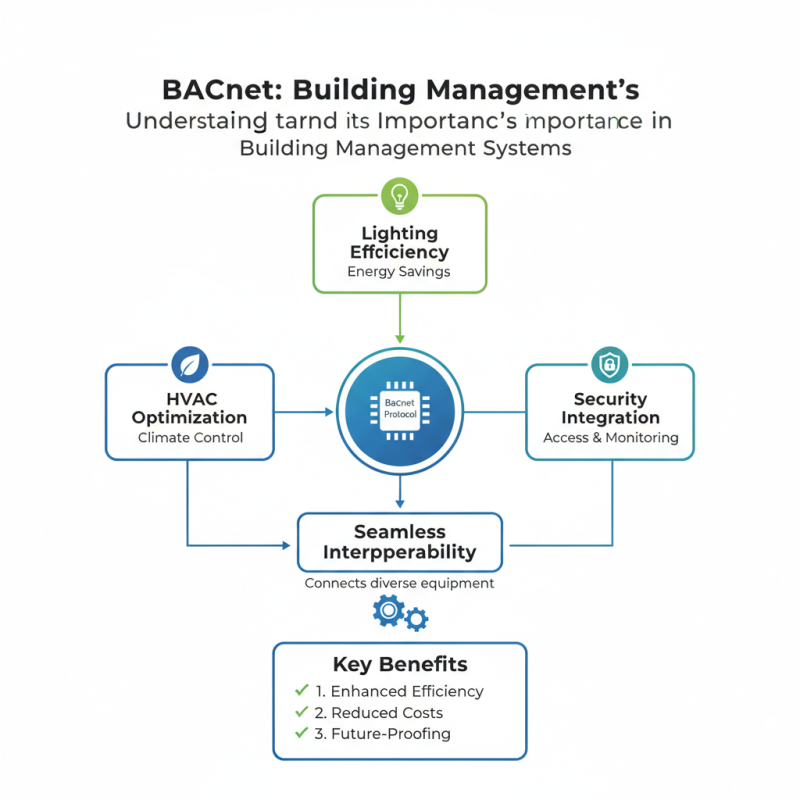
Understanding BACnet and its significance in building management systems is crucial for optimizing facility operations. BACnet, or Building Automation and Control Network, is a communication protocol designed for building automation. It allows different systems to connect seamlessly, enhancing efficiency in managing HVAC, lighting, and security systems. This interoperability is key, as many buildings have various equipment from different manufacturers.
In selecting the best BACnet BMS, it's important to assess specific building requirements. Factors like size, type, and existing infrastructure impact the choice. A complex facility may demand a more robust system. On the other hand, smaller buildings might function well with simpler setups. Some systems are user-friendly but may lack advanced functions. Keep in mind that not all BACnet solutions meet every need.
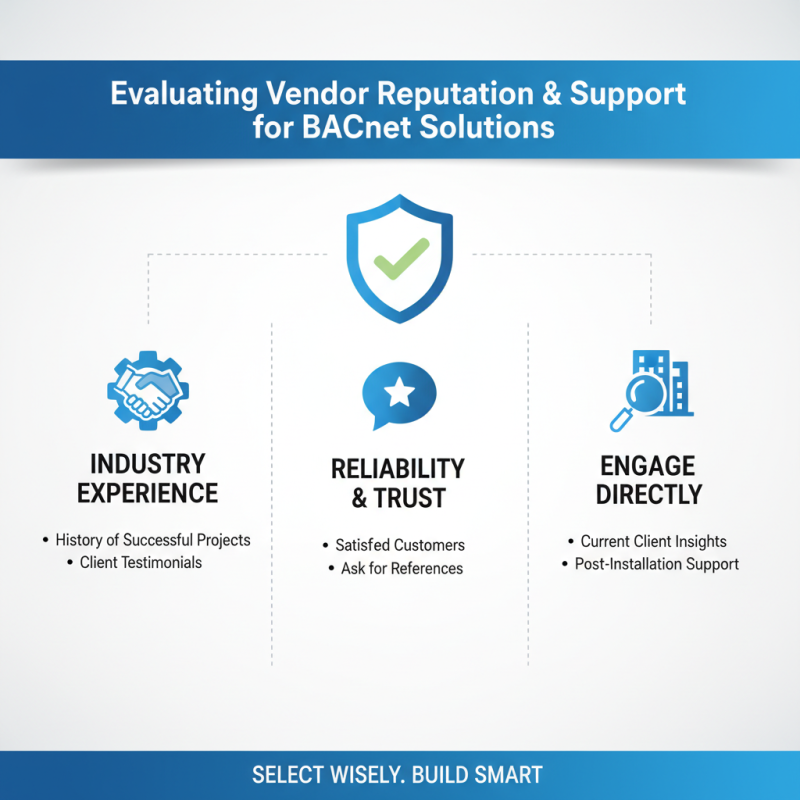
Reviewing a system's documentation can reveal its potential strengths and weaknesses. Look for case studies or testimonials that demonstrate real-world applications. Engagement with professionals in the field can provide insights that online resources may not cover. Always consider future scalability. A good system should adapt as building needs evolve. Balancing cost and functionality remains a challenge in this selection process.
Key Features to Look for in a BACnet BMS
When selecting a BACnet Building Management System (BMS), certain key features stand out. A user-friendly interface is crucial. Operators should easily navigate the system to monitor and control building functions. Complex systems often lead to errors, making simplicity vital. Intuitive dashboards and quick access to vital data enhance user experience.
Integration capabilities are another significant factor. The chosen BMS must seamlessly connect with existing systems, such as HVAC and lighting. This ensures that operations run smoothly without unnecessary disruptions. Compatibility with various devices and protocols is essential. Check for flexibility to accommodate future upgrades. This adaptability can save costs down the line.
Lastly, consider the system’s reporting and analytics features. Detailed insights into energy consumption can highlight inefficiencies. Over time, users can pinpoint trends and make informed decisions. However, ensure that the data is presented clearly. If complex, users may misunderstand vital information. Reflect on the balance of detailed analytics versus practical accessibility. A stronger focus should always lean towards actionable intelligence.
Assessing Integration Capabilities with Existing Building Systems
When selecting a BACnet Building Management System (BMS), it’s vital to assess how well it integrates with your existing building systems. Integration plays a critical role in the seamless operation of various systems. A well-integrated BMS can streamline processes across HVAC, lighting, and security systems. Consider how data flows between these systems. A lack of compatibility can create silos, leading to inefficient operations.
Look for a BMS that supports open standards like BACnet. This ensures your system can communicate with different devices. Take into account the specific technologies already in use. If your building features older equipment, you may need a system that can accommodate these legacy components. This integration could require custom adaptations, which might introduce complexities.
Evaluate potential challenges during this integration process. Compatibility issues may arise, and not all vendors provide support for older systems. It's essential to have the expertise necessary to navigate these obstacles. Engage with a knowledgeable team that understands both new and existing systems. This step can ensure smoother integration and better overall performance of your building systems.
Budget Considerations and Cost-Benefit Analysis for BACnet BMS
When selecting a BACnet Building Management System (BMS), budget considerations play a vital role. A thorough cost-benefit analysis helps determine what features your building truly needs. Evaluate initial costs alongside long-term savings from energy efficiencies and maintenance. Investing may seem steep at first, but the potential reduction in utility bills can justify the upfront expenditure. Understand that not every feature might be essential for your specific needs.
Keep in mind that installation costs frequently exceed the software price. Poor installation can lead to significant issues down the line. It’s crucial to choose a qualified technician to minimize future expenses. Training staff on the new system also incurs costs, yet it is necessary for proper operation. Neglecting training can result in wasted resources and decreased system performance.
Periodic reviews of the BMS can illuminate ongoing expenses. Sometimes, what seemed like a valuable feature initially may no longer hold significance. Adapting to changing needs ensures the system remains beneficial. Always revisit your investment to see if it is still aligned with your building's requirements. Flexibility can lead to more cost-effective solutions in the long run.
How to Choose the Best Bacnet Bms for Your Building Needs? - Budget Considerations and Cost-Benefit Analysis for BACnet BMS
| Criteria |
Description |
Estimated Cost (USD) |
Cost-Benefit Ratio |
| Initial Setup Cost |
Cost of purchasing and installing BACnet BMS |
$20,000 - $100,000 |
N/A |
| Maintenance Costs |
Annual maintenance and support contracts |
$2,000 - $10,000 |
High (if well-maintained) |
| Energy Savings |
Estimated reduction in energy consumption |
$5,000 - $20,000 annually |
1:3 to 1:5 |
| Increased Comfort |
Improved indoor environment leading to better productivity |
Intangible |
N/A |
| Return on Investment (ROI) |
Estimated time to recover initial investment through savings |
3 - 5 years |
Positive |