Why Choose BACnet Over Ethernet for Building Automation and Control Systems?
In the ever-evolving landscape of building automation and control systems, the choice of communication protocols plays a pivotal role in ensuring efficient operation and integration. One of the most talked-about options in this domain is BACnet Over Ethernet, which has garnered significant attention from both industry professionals and building managers. As facilities become increasingly complex, the demand for seamless interoperability between diverse systems has never been greater. This is where BACnet Over Ethernet stands out, offering a robust framework that supports the communication needs of various building systems, such as HVAC, lighting, and security.
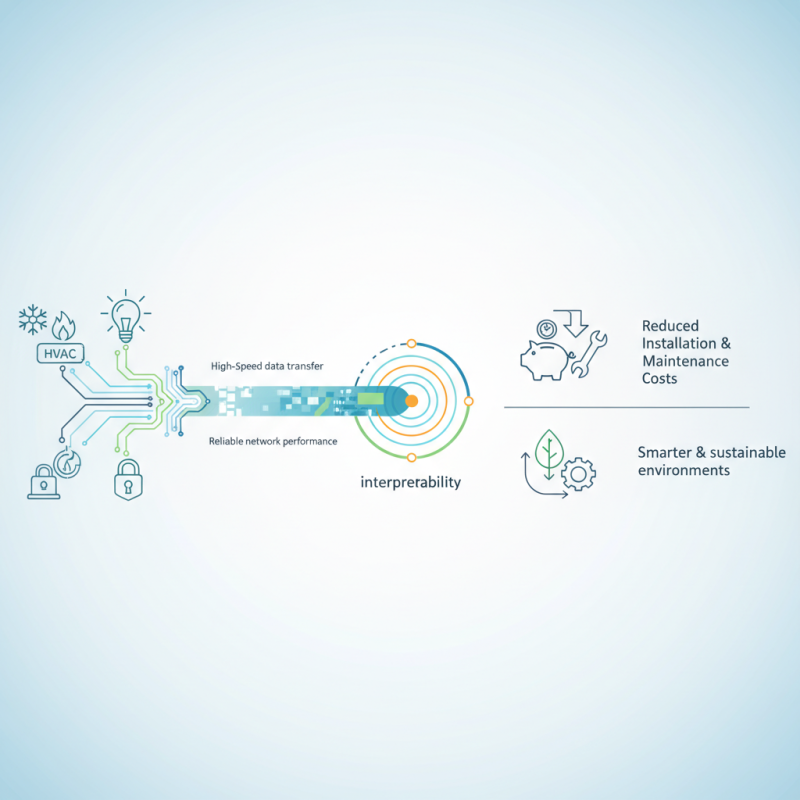
BACnet, as a communication protocol, was specifically designed for building automation, enabling different devices and systems to communicate effectively regardless of the manufacturer. When combined with the widespread adoption of Ethernet, BACnet Over Ethernet emerges as a preferred choice, facilitating high-speed data transfer and reliable network performance. This integration not only enhances operational efficiency but also reduces installation and maintenance costs, a critical consideration for building managers aiming to optimize resources.
In this discussion, we will explore the numerous advantages of selecting BACnet Over Ethernet for building automation and control systems. By delving into the technical benefits, interoperability capabilities, and overall effectiveness of this protocol, we aim to provide a comprehensive understanding of why BACnet Over Ethernet is often favored in modern building designs, ultimately leading to smarter and more sustainable environments.
Understanding Building Automation and Control Systems
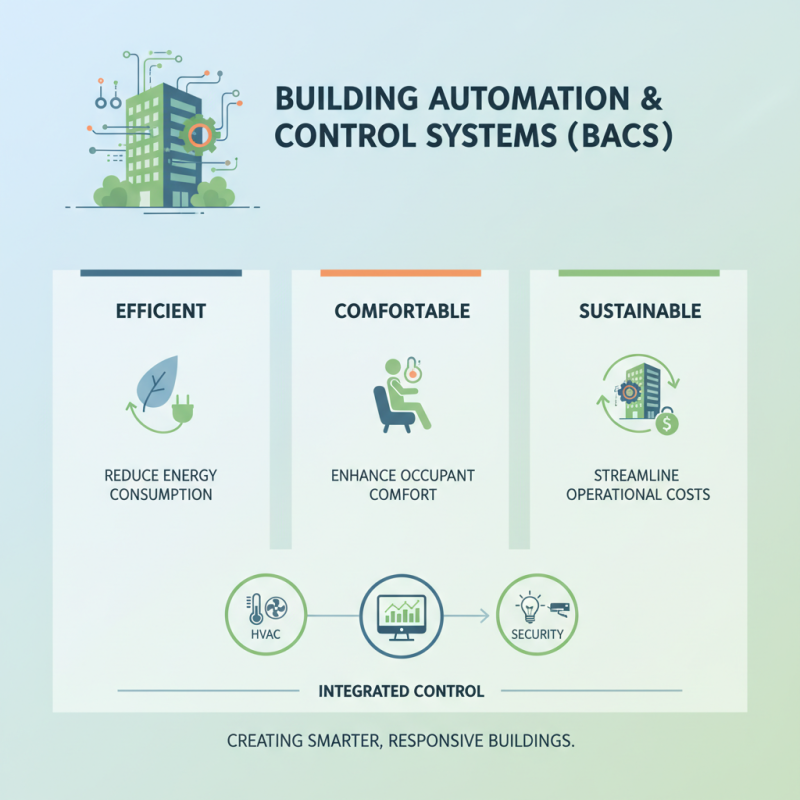
Building Automation and Control Systems (BACS) are integral to creating efficient, comfortable, and sustainable buildings. These systems encompass a variety of technologies that monitor and control essential building functions, such as heating, ventilation, air conditioning (HVAC), lighting, and security. By automating these systems, building managers can significantly reduce energy consumption, enhance occupant comfort, and streamline operational costs. Understanding the components and functions of BACS is crucial for achieving an integrated environment that responds effectively to the needs of its users.
One key aspect to consider in BACS design is the communication protocol used for system integration. While Ethernet is commonly employed for general networking, specialized protocols like BACnet offer distinct advantages in the context of building automation. BACnet is specifically designed to facilitate communication among various devices in a building, allowing for comprehensive system interoperability. This tailored focus enables better data exchange and controls, ensuring that different systems can work together seamlessly for optimized performance. By leveraging such protocols, building automation professionals can create smarter, more responsive environments that ultimately support sustainability goals.
Overview of Communication Protocols in Building Automation
In the realm of building automation, communication protocols play a crucial role in ensuring seamless interaction between various devices and systems. Two of the most widely discussed protocols are BACnet and Ethernet, each offering distinct advantages that cater to the diverse needs of building management. Communication protocols orchestrate the transmission of data between HVAC systems, lighting, security, and other integral components within a building, optimizing functionality and energy efficiency.
BACnet, specifically designed for building automation, excels in its interoperability and scalability. It enables different manufacturers' equipment to communicate effortlessly, thus enhancing integration and reducing complexity for building managers. The BACnet protocol is geared towards providing standardized communication across various control systems, facilitating effective data exchange and fostering a unified operational landscape within the building environment.
On the other hand,
Ethernet, a more general networking technology, brings its own set of benefits. It supports high data transfer rates and extensive connectivity options, making it suitable for larger buildings or campuses where speed and bandwidth are critical. However, while Ethernet delivers raw performance, it may not inherently address the specific needs of building automation as effectively as BACnet. The choice between these protocols ultimately hinges on the specific requirements of a building’s automation strategies, from device compatibility to system scalability.
Key Advantages of BACnet Compared to Ethernet
BACnet has emerged as a preferred choice for building automation and control systems, primarily due to its tailored features designed for that specific purpose.
One of the key advantages of BACnet over standard Ethernet is its interoperability.
BACnet allows devices from different manufacturers to communicate seamlessly, which is a crucial factor in multi-vendor environments.
This interoperability simplifies integration and enhances system flexibility, enabling building operators to build a customized system that meets their unique needs without being locked into one vendor's ecosystem.
Another noteworthy advantage of BACnet lies in its robust data handling capabilities specifically developed for automation applications.
The protocol incorporates various communication services tailored for building management, such as alarm notifications, scheduling, and trending data.
This built-in functionality streamlines operations and allows for real-time monitoring and control.
Unlike standard Ethernet, which is a general-purpose networking framework, BACnet is optimized for the efficient management of building environments, making it a more suitable choice for addressing the unique challenges faced in this sector.
Limitations of Ethernet in Building Automation Applications
In the realm of building automation and control systems,
Ethernet technology appears to be a suitable choice due to its ubiquity and high data transfer speeds.
However, when closely examining its practical limitations within this specific application, the drawbacks become evident.
One of the core issues is the lack of real-time communication capabilities.
Building automation systems often require timely responses for critical functions such as heating, ventilation, and air conditioning (HVAC),
lighting control, and security monitoring. Ethernet's standard protocols are not designed for deterministic performance, which can lead to
delays that are unacceptable in environments where immediate action is necessary.
Furthermore, Ethernet's complexity can pose significant challenges in deployment and maintenance.
Its reliance on various networking equipment, such as switches and routers, complicates both installation and troubleshooting.
This complexity can also result in higher costs and increased downtime when issues arise.
In contrast, BACnet, specifically designed for building management, offers a
more straightforward and efficient approach, employing a peer-to-peer communication model that simplifies interoperability
between devices from different manufacturers.
Therefore, while Ethernet is a powerful technology, its inherent limitations render it less favorable for building automation applications that prioritize reliability and immediate responsiveness.
Industry Adoption and Future Trends of BACnet Protocol
The adoption of the BACnet protocol in building automation and control systems has gained significant traction across various industries. As a standardized communication protocol specifically designed for building systems, BACnet fosters interoperability between diverse devices and applications. This flexibility is particularly beneficial in complex environments, enabling seamless integration of heating, ventilation, air conditioning, lighting, and security systems. As smart building technologies continue to evolve, BACnet is increasingly recognized for its capability to support future-proof implementations, ensuring organizations can adapt to new functionalities and innovations without significant overhaul.
Tips: When considering an upgrade or a new installation, it’s essential to evaluate whether the protocol you choose aligns with the long-term technology roadmap of your building management systems. Engaging with stakeholders and conducting a thorough needs assessment can pinpoint the specific requirements of your facility, preventing misalignment between systems.
Moreover, the trend of increasing digitalization in the building sector has positioned BACnet favorably. With the rise of IoT devices and intelligent building solutions, BACnet provides essential features like data sharing and remote access, which are fundamental for modern management practices. Its ongoing development and support from industry consortia ensure that BACnet remains relevant, reflecting the latest technological advancements and user requirements.
Tips: Regularly review industry standards and best practices to stay informed about the potential benefits of adopting or transitioning to BACnet. Engaging in forums or discussions surrounding BACnet can also yield valuable insights into its current applications and future directions.