xzcChinese
Inquiry
Form loading...

Top 10 Benefits of Using Direct Digital Controllers in Modern HVAC Systems

The integration of Direct Digital Controllers (DDCs) in modern HVAC systems has revolutionized how we manage indoor climate and energy efficiency. As highlighted by industry expert Dr. Emily Smith, a prominent figure in HVAC technology, "The implementation of Direct Digital Controllers not only enhances system performance but also empowers users with precise control over their environmental conditions." This statement captures the essence of why DDCs are becoming an indispensable component in contemporary heating, ventilation, and air conditioning systems.

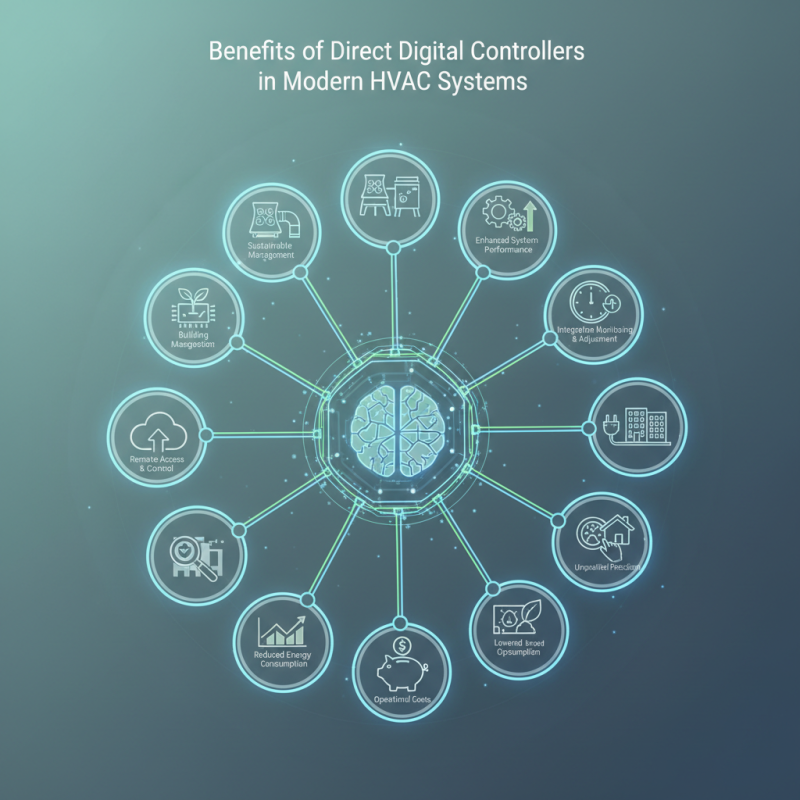
In today's rapidly evolving technological landscape, the advantages of adopting Direct Digital Controllers are evident. These systems offer unparalleled precision, allowing for real-time adjustments and monitoring that traditional controls simply cannot match. Furthermore, the ability to integrate with building automation systems enhances operational efficiency, thereby reducing energy consumption and operational costs. As we delve into the top ten benefits of using Direct Digital Controllers in HVAC systems, it becomes clear that their implementation is not just a trend, but a crucial step towards more sustainable and efficient building management practices.
Top 10 Benefits of Using Direct Digital Controllers in Modern HVAC Systems

Benefits of Enhanced Energy Efficiency with Direct Digital Controllers

Top 10 Benefits of Using Direct Digital Controllers in Modern HVAC Systems

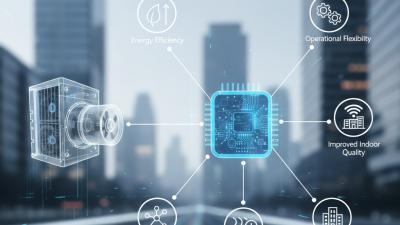
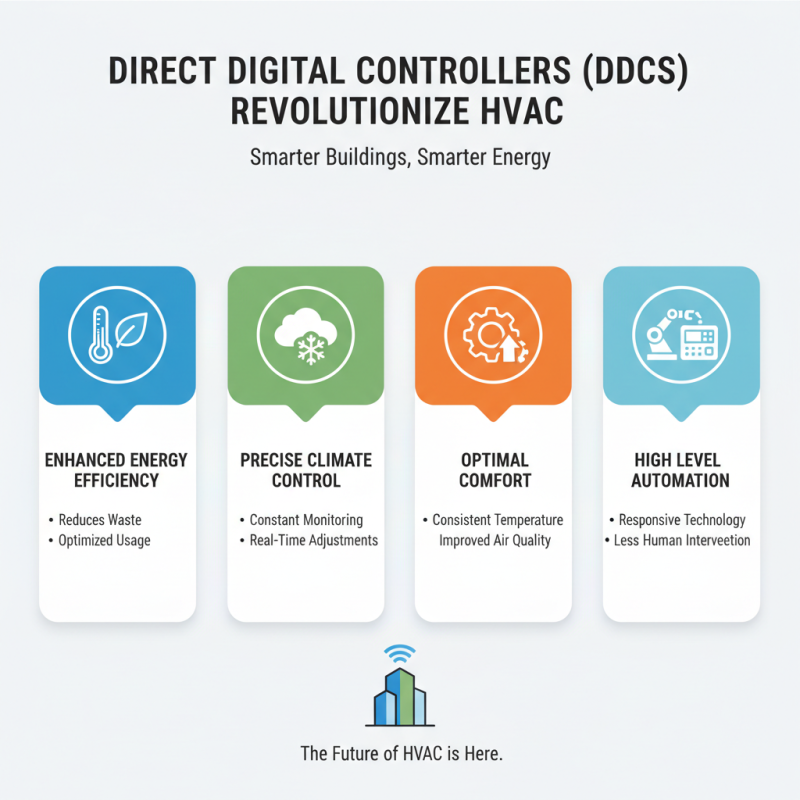
Direct digital controllers (DDCs) have revolutionized the way modern HVAC systems operate, primarily through their ability to enhance energy efficiency. One of the key advantages of using DDCs is their precise control over temperature and humidity levels within a building. By constantly monitoring environmental conditions and making real-time adjustments, these controllers ensure optimal comfort while minimizing energy consumption. This high level of automation reduces the waste associated with traditional HVAC systems that often operate on fixed schedules or rely on less responsive technologies.

Another benefit of DDCs is their capability to utilize advanced algorithms for managing system operations. These algorithms analyze data from various sensors to optimize performance based on occupancy patterns and external weather conditions. For instance, when a building is unoccupied, the system can significantly reduce heating or cooling output, leading to substantial energy savings without sacrificing occupant comfort during peak hours. By seamlessly integrating with building management systems, DDCs facilitate efficient energy use that aligns with sustainability goals, helping facilities cut costs while contributing to reduced environmental impact.
Improved Indoor Air Quality through Advanced Control Mechanisms

The integration of Direct Digital Controllers (DDCs) in HVAC systems has significantly advanced the field of indoor air quality management. These sophisticated control mechanisms utilize digital technology to monitor and adjust environmental parameters more precisely than traditional systems. By continuously analyzing factors such as temperature, humidity, and airflow, DDCs can respond dynamically to changes in indoor conditions. This responsiveness not only ensures a more comfortable environment but also promotes the effective filtration and circulation of air, reducing the concentration of pollutants and allergens.

Moreover, DDCs contribute to enhanced energy efficiency, which can indirectly support better indoor air quality. By optimizing the performance of heating, ventilation, and air conditioning components, these controllers minimize the energy consumed while maintaining ideal indoor conditions. This efficiency often leads to reduced operational costs, allowing for the investment in higher-quality air filtration systems and regular maintenance of existing equipment. Ultimately, the precise regulation and management capabilities of DDCs lead to healthier indoor environments by ensuring that air quality is consistently monitored and improved, creating spaces that promote well-being and productivity.

Top 10 Benefits of Using Direct Digital Controllers in Modern HVAC Systems - Improved Indoor Air Quality through Advanced Control Mechanisms

Benefit Description Impact on Indoor Air Quality Energy Efficiency
Real-time Monitoring Continuous tracking of indoor air quality parameters. Ensures optimal air quality levels are maintained. Reduces energy consumption by preventing over-ventilation.
Flexible Scheduling Allows customization of HVAC operation based on occupancy. Improves air quality by aligning ventilation with actual needs. Minimizes energy use during unoccupied periods.
Adaptive Control Adjusts HVAC settings in response to environmental changes. Maintains consistent air quality despite fluctuations. Optimizes system performance for reduced energy expenditure.
Enhanced Filtration Control Manages filtration systems based on air quality readings. Reduces pollutants and allergens in indoor air. Improves filter efficiency and lifespan, saving costs.
Data Analytics Utilizes historical data for predictive maintenance. Prevents issues that could compromise air quality. Reduces maintenance costs and downtime.
Remote Access Enables control of HVAC systems from anywhere. Allows immediate response to air quality concerns. Facilitates energy management from a distance.
Integration with Building Management Systems Seamlessly works with other building systems. Enhances holistic air quality management. Improves overall building energy efficiency.
User-Friendly Interface Simplifies operation and monitoring for users. Encourages proactive management of air quality. Reduces errors related to system adjustments.
Improved Compliance Aids in meeting air quality regulations. Ensures a safe indoor environment for occupants. Avoids penalties associated with non-compliance.
Cost Savings Lowers operational costs through efficiency. Justifies investment by improving air quality. Offers long-term financial benefits from efficiency.

Seamless Integration with Smart Building Technologies

The advent of Direct Digital Controllers (DDCs) in modern HVAC systems has transformed the landscape of building automation, paving the way for seamless integration with smart building technologies. According to a report by the American Society of Heating, Refrigerating and Air-Conditioning Engineers (ASHRAE), DDCs offer enhanced control capabilities that enable HVAC systems to dynamically respond to varying occupancy and environmental conditions, ultimately optimizing energy efficiency by up to 30%. This technology allows for real-time monitoring and adjustments, ensuring that heating, cooling, and ventilating systems work in harmony with other building management systems.

Moreover, the integration of DDCs with advanced IoT platforms facilitates advanced analytics and predictive maintenance. A study by the Building Owners and Managers Association (BOMA) reveals that smart building technologies can reduce operational costs by approximately 20% while improving tenant comfort and satisfaction. DDCs act as the backbone of these smart systems, effectively communicating with sensors and other devices to create a cohesive ecosystem. As a result, building managers can leverage data to make informed decisions, enhancing overall facility performance and contributing to sustainable practices in energy management.

User-Friendly Interfaces and Simplified System Management

Top 10 Benefits of Using Direct Digital Controllers in Modern HVAC Systems

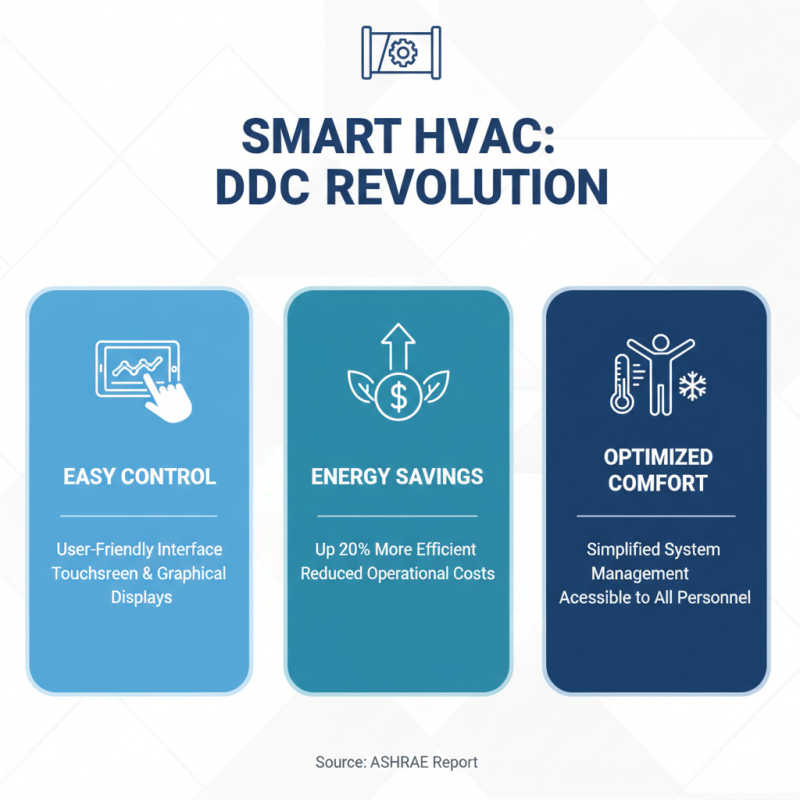
In modern HVAC systems, the integration of Direct Digital Controllers (DDCs) has revolutionized the management of building environments, primarily through user-friendly interfaces that simplify system operations. According to a report by the American Society of Heating, Refrigerating and Air-Conditioning Engineers (ASHRAE), the use of DDCs has proven to enhance energy efficiency by up to 20%, significantly reducing operational costs while optimizing comfort. These controllers feature intuitive touchscreens and graphical displays that allow operators to easily navigate complex system configurations without extensive technical training, making it possible for a wider range of personnel to manage HVAC systems effectively.

Furthermore, the ability to monitor and adjust settings remotely contributes to operational flexibility and responsiveness. A study by the U.S. Department of Energy highlighted that buildings equipped with DDCs experienced a 30% reduction in emergency maintenance calls, demonstrating the reliability afforded by real-time data feedback and alerts. This capability not only enables quick adjustments to HVAC settings based on occupancy or environmental changes but also promotes proactive maintenance strategies, fostering a more sustainable approach to system management. As a result, the enhanced user interface of DDCs facilitates not just day-to-day operations but also long-term strategic planning for energy consumption and system performance across various building types.

Real-Time Monitoring and Data Analytics for Optimization

Using direct digital controllers (DDCs) in modern HVAC systems offers significant advantages, particularly through real-time monitoring and data analytics capabilities. This technology allows for continuous observation of system performance, enabling operators to quickly identify and address any inefficiencies. By leveraging real-time data, HVAC professionals can optimize energy use, leading to reduced operational costs and a smaller environmental footprint. The immediate feedback from DDCs also helps in fine-tuning system settings for maximum comfort and efficiency, ensuring that environments remain tailored to the needs of occupants.

Tips for maximizing the benefits of real-time monitoring include regularly reviewing performance reports generated by the DDCs. These reports highlight patterns in energy consumption and system response, which can indicate areas requiring adjustments. Additionally, integrating predictive analytics can help anticipate potential system failures before they occur, saving time and repair costs. Another useful strategy is to set up alerts for key performance indicators (KPIs), allowing for prompt interventions when monitoring indicates deviations from established norms.

Incorporating data analytics into HVAC operations also enhances decision-making processes. By analyzing historical data trends, facility managers can make informed choices regarding maintenance schedules and equipment upgrades. Regular training for staff on interpreting these analytical insights can further improve the overall efficiency of the HVAC system. By embracing these strategies, organizations can create a more responsive and sustainable approach to climate control, ensuring optimized performance in the long run.

Top 10 Benefits of Using Direct Digital Controllers in Modern HVAC Systems

This chart illustrates the top 10 benefits of using Direct Digital Controllers (DDCs) in modern HVAC systems. It highlights how DDCs enhance energy efficiency, facilitate real-time monitoring, and provide valuable data analytics, among other advantages. Each benefit is scored on a scale from 1 to 10, indicating the significance of each aspect in optimizing HVAC operations.