Top 5 Benefits of Using DDC Controller for AHU in Modern HVAC Systems
In the rapidly evolving landscape of HVAC systems, the integration of a DDC controller for AHU (Air Handling Units) has become increasingly vital. Experts in the field emphasize the importance of utilizing advanced control technology to enhance efficiency and comfort in modern buildings. According to Dr. Mark Johnson, a leading HVAC technology specialist, "The implementation of DDC controllers for AHU not only streamlines operations but also significantly reduces energy consumption, paving the way for sustainable building practices."
The DDC (Direct Digital Control) controller is at the forefront of revolutionizing how we manage air handling units, allowing for precise monitoring and control of environmental conditions. As buildings become smarter and more automated, the significance of using a DDC controller for AHU cannot be overstated. This technology provides enhanced control capabilities, leading to improved indoor air quality and optimal energy performance.
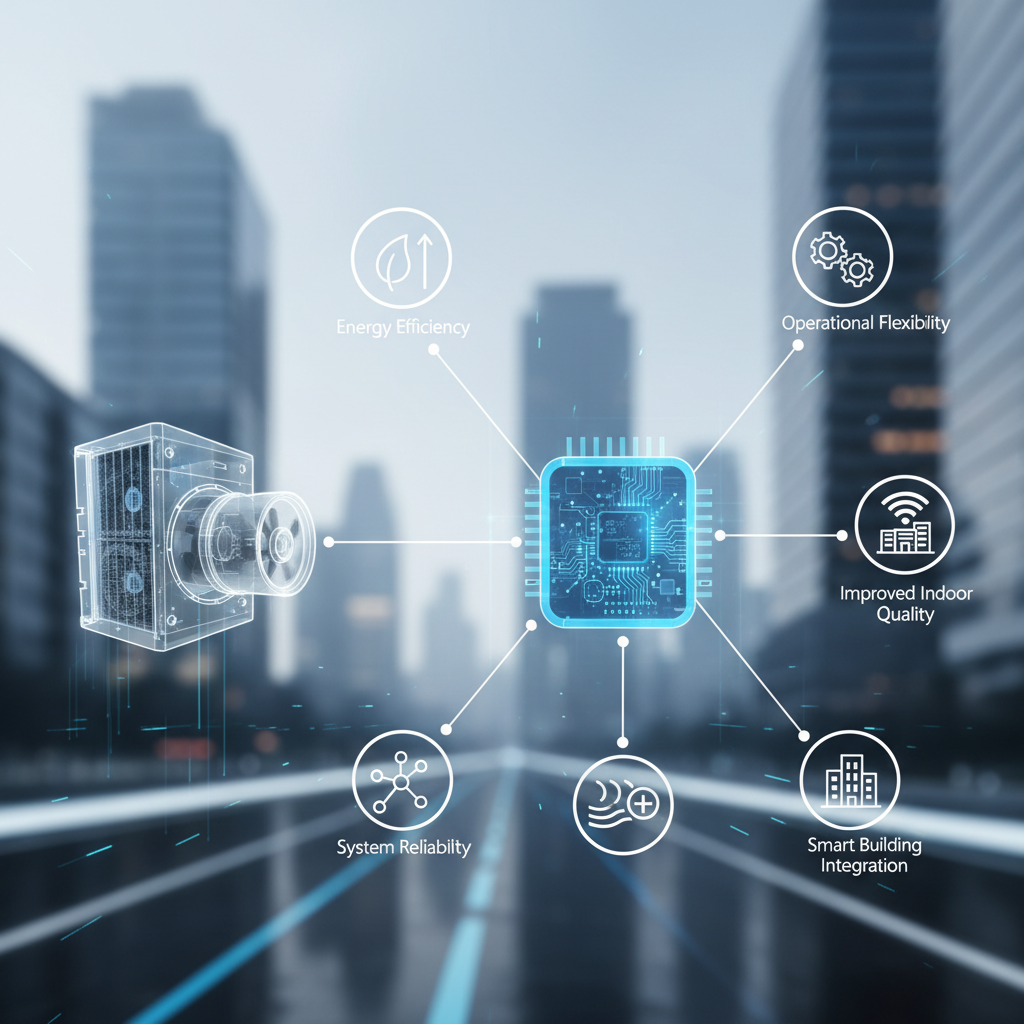
In this article, we will explore the top five benefits of using a DDC controller for AHU in modern HVAC systems, illustrating how this innovative approach contributes to energy efficiency, operational flexibility, and overall system reliability.
Benefits of Enhanced Energy Efficiency with DDC Controllers in AHUs
In modern HVAC systems, Digital Direct Control (DDC) controllers have emerged as a pivotal technology, particularly for Air Handling Units (AHUs). One of the most significant advantages of utilizing DDC controllers is their substantial contribution to energy efficiency. According to a report by the U.S. Department of Energy, buildings equipped with DDC systems can achieve energy savings of up to 30% compared to traditional control methods. This enhancement is primarily due to the precision in monitoring and adjusting HVAC operations, which minimizes energy waste and optimizes system performance.
Moreover, DDC controllers enable real-time data analytics, allowing for more informed decision-making regarding energy consumption. A study published by the American Society of Heating, Refrigerating and Air-Conditioning Engineers (ASHRAE) highlights that the integration of DDC systems can improve HVAC system efficiency by 15% to 20% under varying load conditions. This capability ensures that AHUs operate at peak performance, adapting to changes in building occupancy and external weather conditions, thus further solidifying the role of DDC controllers in promoting sustainable energy practices in modern buildings.
Improved Indoor Air Quality through Advanced Monitoring Capabilities
In modern HVAC systems, the integration of Direct Digital Control (DDC) controllers for Air Handling Units (AHUs) plays a pivotal role in enhancing indoor air quality (IAQ) through their advanced monitoring capabilities. A recent report by the American Society of Heating, Refrigerating and Air-Conditioning Engineers (ASHRAE) indicates that buildings equipped with sophisticated DDC systems can optimize air exchange rates, leading to up to a 30% improvement in IAQ. This improvement is crucial as poor indoor air quality is linked to health issues such as respiratory problems and allergies, with the Environmental Protection Agency (EPA) emphasizing that indoor air can be significantly more polluted than outdoor air.
DDC controllers provide real-time data management and analytics, allowing facility managers to monitor critical parameters such as temperature, humidity, and particulate levels consistently. Advances in sensor technology and data analytics enable proactive adjustments, where, for example, the controller can modulate ventilation according to occupancy levels and outdoor air quality. Research highlights that buildings utilizing advanced DDC systems achieve lower volatile organic compound (VOC) concentrations, which are known to affect occupant health and productivity. By harnessing such technology, modern HVAC systems are not only ensuring comfort but are also responsible for creating healthier indoor environments for all occupants.
Streamlined System Integration with DDC Controllers in HVAC Applications
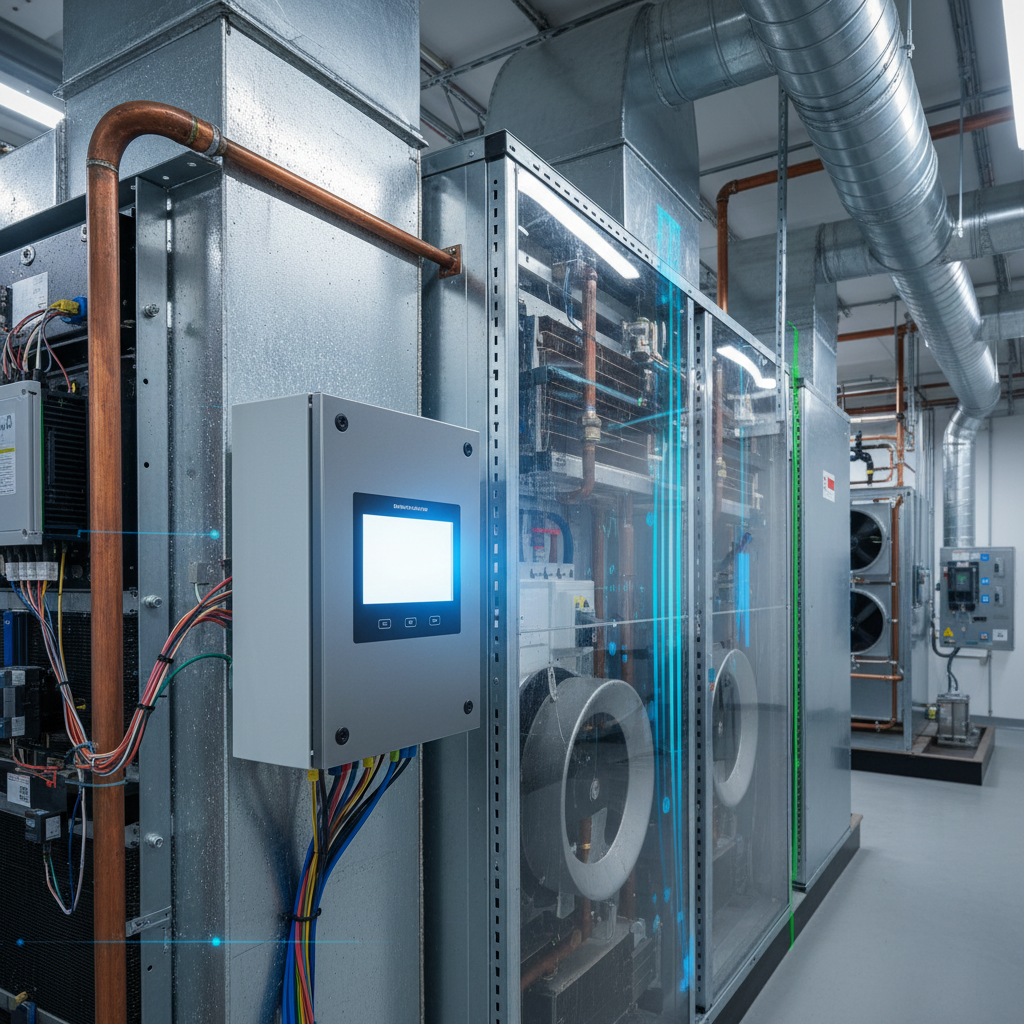
In modern HVAC systems, the integration of Direct Digital Control (DDC) controllers significantly enhances the functionality and efficiency of Air Handling Units (AHUs). By providing precise control over HVAC operation, DDC controllers facilitate seamless integration of various building systems, leading to improved energy efficiency and comfort levels. This streamlined approach allows for real-time monitoring and adjustments, ensuring that the system operates at optimal performance without unnecessary energy consumption.
Tip: When selecting a DDC controller, ensure that it is compatible with your existing building management system to maximize integration and functionality.
Additionally, DDC controllers support advanced features such as scheduling, energy usage tracking, and remote access capabilities. This level of control means that facility managers can easily adjust settings to meet changing demands, enhancing overall operational flexibility. Moreover, the data collected by DDC systems can be invaluable for predictive maintenance, helping to identify potential issues before they escalate into costly repairs.
Tip: Consider incorporating smart sensors with your DDC controllers to further enhance system responsiveness and energy savings.
User-Friendly Interfaces for Simplified Control of AHU Operations
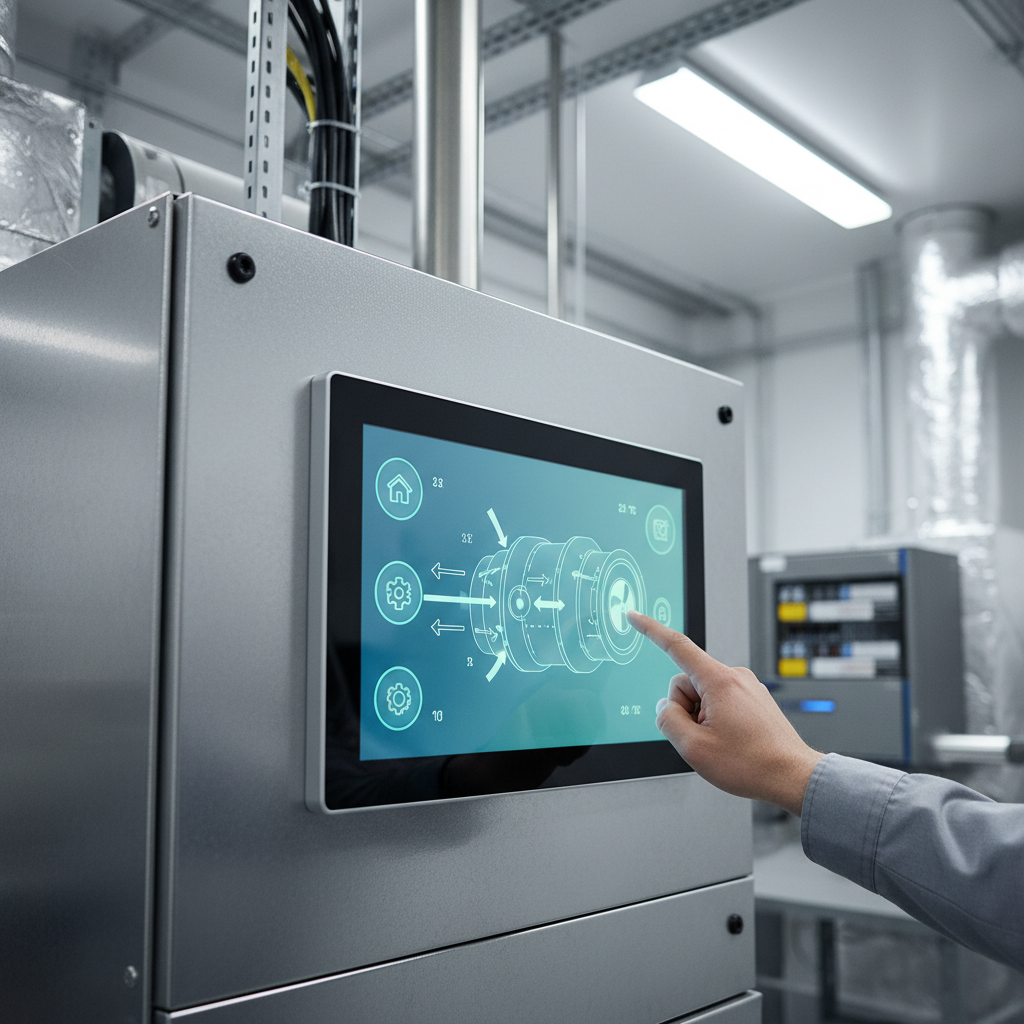
In modern HVAC systems, the integration of Direct Digital Control (DDC) controllers has revolutionized the way Air Handling Units (AHUs) are operated and managed. One of the standout features of DDC controllers is their user-friendly interfaces, which simplify the control of AHU operations. These intuitive displays allow operators to easily navigate through various settings and parameters, drastically reducing the learning curve associated with handling complex HVAC systems.
The ease of access provided by user-friendly interfaces empowers facility managers to make real-time adjustments with confidence. By offering clear visuals and straightforward options, DDC controllers eliminate confusion, enabling users to optimize energy efficiency and comfort levels effortlessly. Additionally, the capacity for remote monitoring further enhances control, allowing operators to manage AHU operations from any location, thus improving overall responsiveness to system demands and anomalies. This seamless interaction not only sustains performance but also elevates the user's ability to maintain a comfortable indoor environment.
Cost Savings through Predictive Maintenance and Reduced Downtime
The implementation of a Direct Digital Control (DDC) controller in Air Handling Units (AHUs) within modern HVAC systems significantly enhances operational efficiency and cost-effectiveness, particularly through predictive maintenance and reduced downtime. By leveraging real-time data and advanced algorithms, DDC controllers can anticipate potential issues before they escalate into significant problems. This proactive approach allows facility managers to schedule maintenance activities at optimal times, thereby extending equipment lifespan and minimizing unexpected failures that can disrupt operations.
Moreover, the integration of DDC technology facilitates seamless monitoring and data analysis, enabling teams to identify patterns and trends in system performance. This insight not only drives operational efficiencies but also leads to substantial cost savings. Reduced downtime translates to lower energy costs and improved indoor air quality, as systems are maintained in peak condition. Ultimately, the strategic use of DDC controllers empowers organizations to manage their HVAC systems more effectively, ensuring both reliability and financial sustainability in today's competitive landscape.
Top 5 Benefits of Using DDC Controller for AHU in Modern HVAC Systems
This chart illustrates the top 5 benefits of using DDC controllers for Air Handling Units (AHUs) in modern HVAC systems, highlighting the impact of each benefit on a scale of 1-10.