Top 10 Benefits of Using Bacnet Bms for Smart Building Management?
In today’s rapidly evolving technological landscape, efficient building management is critical. The integration of systems helps streamline operations. This is where Bacnet Bms shines. It offers a framework for integrating various building systems seamlessly. Various smart building applications thrive on its capabilities.
Smart buildings rely on energy efficiency, comfort, and security. Bacnet Bms contributes significantly to these aspects. It allows diverse devices to communicate effectively. Yet, not all installations yield optimal results. Proper implementation and planning are essential for success.
Understanding the benefits of Bacnet Bms can transform your approach to building management. From reducing energy costs to enhancing occupant experience, the advantages are compelling. However, it’s important to recognize the challenges as well. Each building is unique and may require a customized solution. A carefully tailored system can unlock the full potential of Bacnet Bms, making building management smarter and more efficient.

Understanding Bacnet BMS: What It Is and How It Works
Bacnet BMS stands for Building Management System that utilizes the Bacnet protocol. It enables the integration of various building systems. This includes HVAC, lighting, and security. By using Bacnet, building managers can control and monitor these systems easily. The protocol ensures that devices from different manufacturers can communicate.
One clear benefit is enhanced energy efficiency. With Bacnet, systems can adjust automatically based on real-time data. For instance, if a room is unoccupied, the lighting can dim or turn off. This helps save energy and reduce costs.
Tips for maximizing Bacnet BMS: Regularly update your system. This improves security and functionality. Also, train staff on how to use the system effectively. They should understand the potential issues. A well-trained team can quickly fix minor problems before they escalate.
Sometimes, integrating new systems can be a challenge. Compatibility issues may arise, leading to frustrations. It’s important to evaluate each device's compatibility before purchase. Working through these hitches can open doors to better management solutions.
Top 10 Benefits of Using Bacnet BMS for Smart Building Management
Enhancing Energy Efficiency with Bacnet BMS in Smart Buildings
In today's era of smart buildings, energy efficiency is key. Bacnet BMS provides a framework for effective energy management. Studies show that smart buildings can reduce energy costs by 30% or more compared to traditional structures. This is a remarkable figure, yet many buildings still lack advanced management systems.
Why does this gap exist?
Bacnet BMS integrates various building systems, from HVAC to lighting, allowing real-time monitoring. This leads to optimized energy usage. For instance, when sensors detect low occupancy, lighting can dim automatically. Reports indicate that buildings utilizing Bacnet can improve energy efficiency by 25%, which is substantial. However, not all facilities leverage this technology. Many still rely on aged, inefficient systems, missing potential savings.
Data analytics are crucial in Bacnet BMS. They help identify patterns and anomalies in energy usage. But, not all managers have the expertise to interpret this data effectively. Consequently, energy-saving opportunities may be overlooked. Trained personnel are essential for maximizing the benefits of Bacnet systems. Without them, even the best technology can fall short in driving real change.
Improving System Integration and Interoperability in Building Management
Building management systems using Bacnet stand out for their impressive interoperability. This protocol allows various devices and systems to communicate seamlessly. By integrating HVAC, lighting, and security, managers gain a comprehensive view of building operations. Such connectivity reduces the need for manual intervention, which can lead to errors.
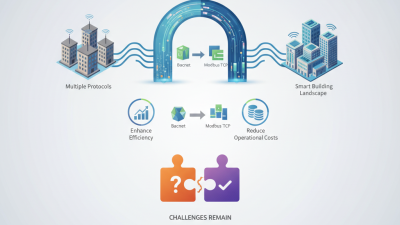
Moreover, Bacnet enhances system integration, fostering collaboration across multiple vendors. However, it can also create challenges. Different interpretations of the protocol might lead to compatibility issues. Maintenance becomes trickier when systems don’t align perfectly. These complexities can frustrate users and hinder overall efficiency.
On the positive side, standardized communication simplifies troubleshooting. Building operators can pinpoint issues across systems without extensive guesswork. This not only saves time but also minimizes operational downtime. Smart building management requires constant evolution and adaptation. Embracing Bacnet is a step forward, though not without its hurdles. Continuous improvement and learning are essential for success in this field.
Top 10 Benefits of Using Bacnet Bms for Smart Building Management
| Benefit |
Description |
Impact |
| Improved Integration |
Seamless connection between different building systems. |
Increases operational efficiency. |
| Energy Efficiency |
Optimizes energy consumption through real-time monitoring. |
Reduces energy costs significantly. |
| Enhanced Comfort |
Maintains optimal indoor conditions for occupants. |
Increases tenant satisfaction. |
| Data Visualization |
Provides real-time analytics through dashboards. |
Facilitates informed decision-making. |
| Scalability |
Easily integrates new devices and systems as needed. |
Future-proofs the building management system. |
| Cost Reduction |
Decreases maintenance costs by proactive monitoring. |
Maximizes return on investment. |
| Interoperability |
Compatible with various devices regardless of manufacturer. |
Enhances system flexibility. |
| Remote Access |
Allows management of systems from anywhere. |
Increases operational responsiveness. |
| Regulatory Compliance |
Ensures adherence to building regulations and standards. |
Minimizes legal risks. |
| Sustainability |
Promotes eco-friendly practices through smarter management. |
Contributes to reduced carbon footprint. |
Real-time Data Monitoring and Analytics Capabilities of Bacnet BMS
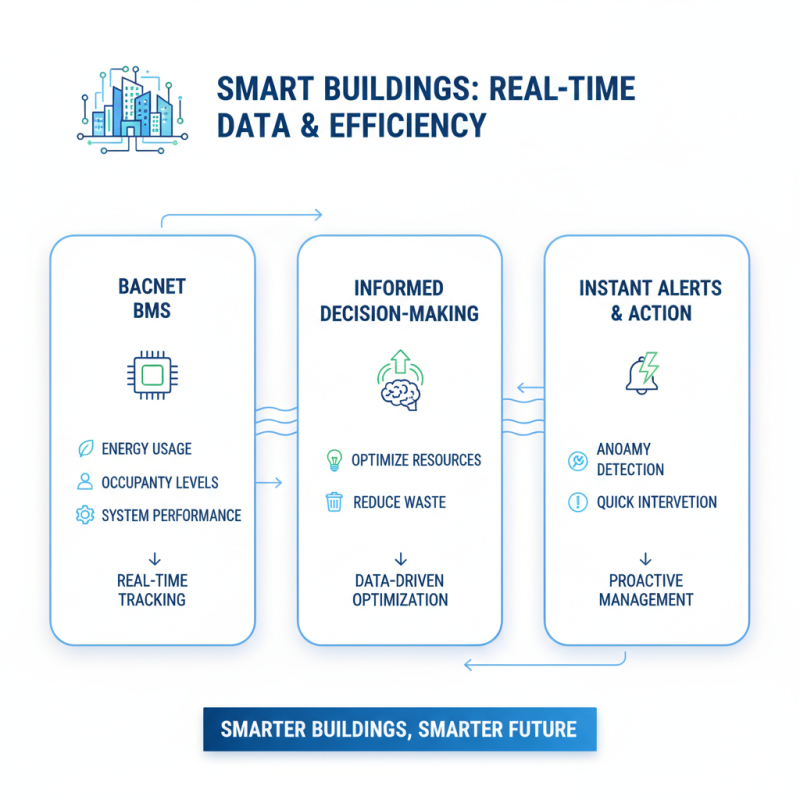
In today's smart buildings, real-time data monitoring is crucial. With a Bacnet BMS, building managers can track energy usage, occupancy levels, and system performance in real-time. This capability enables informed decision-making to optimize resources and reduce waste. Instant alerts are triggered when anomalies occur, allowing quick interventions.
Tip: Monitor system metrics regularly. Small changes can lead to significant improvements. For instance, adjusting HVAC settings based on occupancy data can enhance comfort while lowering costs.
Analytics tools gather historical data and show trends over time. Understanding patterns helps management plan maintenance and upgrades effectively. Yet, data overload can become an issue if not managed properly. It's essential to focus on key performance indicators that matter.
Tip: Use visual dashboards for clarity. Simple graphs can highlight important metrics without overwhelming information. Team discussions can revolve around these visualizations, sparking ideas for further enhancements.
Balancing technology and human insight is vital. While Bacnet BMS provides powerful tools, human judgment remains critical in interpreting data effectively.
Cost Reduction and Maintenance Benefits from Implementing Bacnet BMS
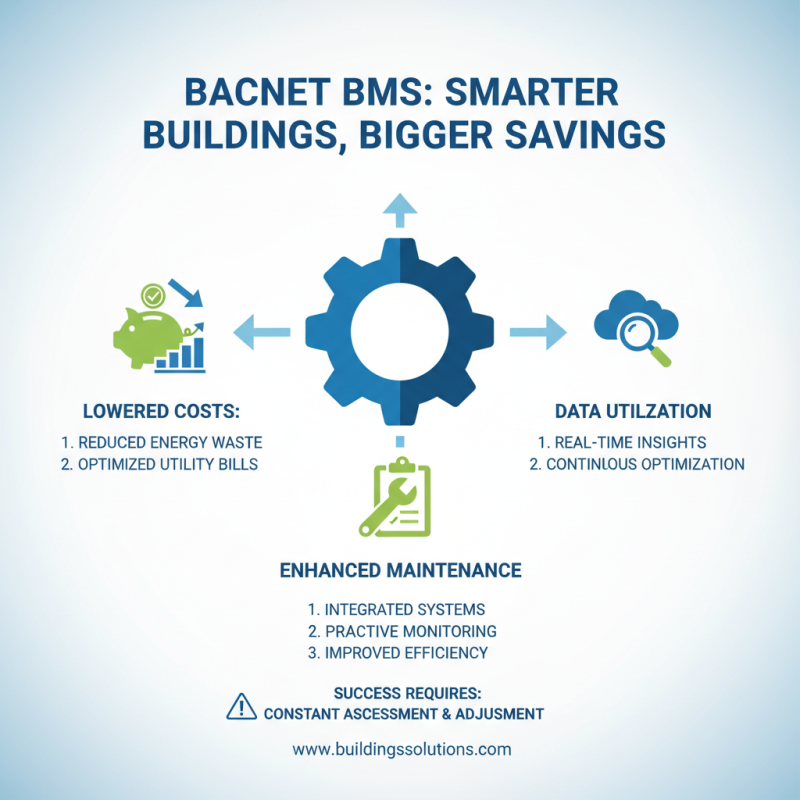
Implementing a Bacnet Building Management System (BMS) can significantly lower costs and enhance maintenance operations. By integrating various systems into one platform, energy consumption can be monitored more efficiently. This reduces waste and lowers utility bills, but it also requires constant assessment and adjustment. Some buildings still struggle to fully utilize the data, leading to missed opportunities for savings.
Regular maintenance is another area where Bacnet BMS shines. Automated alerts notify maintenance teams about system anomalies. This proactive approach can prevent larger issues from developing. However, not all teams respond promptly, which can lead to inefficiencies. It’s crucial to cultivate a culture that values timely actions based on these alerts.
While there are clear financial benefits, the transition to Bacnet BMS can pose challenges. Staff may need additional training to maximize the system's potential. Some legacy systems may not integrate smoothly, causing delays and potential frustration. Ongoing evaluation is essential to ensure the system meets its goals and delivers the expected cost reductions and maintenance advantages.