Why Choose Bacnet Control Systems for Your Building Automation Needs?
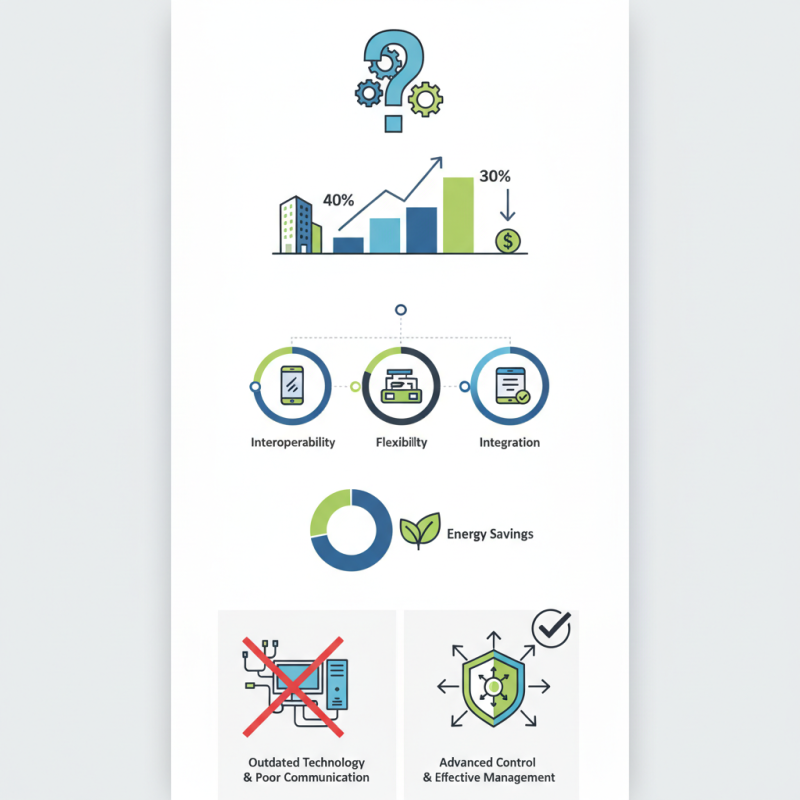
Building automation systems are crucial for improving energy efficiency. According to the 2022 Smart Buildings Market report, systems like Bacnet Control Systems are becoming increasingly popular. As buildings account for nearly 40% of global energy consumption, optimizing energy use is critical.
Bacnet Control Systems provide interoperability and flexibility. They can integrate various devices and systems, which is essential for modern buildings. Research shows that buildings with advanced control systems can reduce energy costs by up to 30%. This saving reflects the growing importance of these systems in sustainability efforts.
Choosing the right system is not always easy. Many building owners struggle with outdated technology or systems that don’t communicate well. However, Bacnet Control Systems offer solutions for these challenges. With their support for a wide range of devices, they make building management more effective. Exploring these options can lead to better performance and significant cost savings.
Benefits of Bacnet Control Systems in Building Automation
When discussing building automation, Bacnet control systems stand out. They enhance efficiency and adaptability. These systems allow devices from different manufacturers to communicate seamlessly. This interoperability is crucial. It simplifies installations and upgrades as you can mix and match components.
Bacnet control systems also optimize energy consumption. They monitor and adjust systems based on real-time data. This leads to significant cost savings in the long run. For example, temperature sensors can respond dynamically to occupancy levels. This responsiveness helps avoid wasted energy, but it requires proper calibration. There can be challenges in initial implementation. Getting all devices to communicate properly is not always straightforward.
Another benefit is the user-friendly interfaces. Building managers can access data easily and make informed decisions. This accessibility can drive better operational strategies. However, relying heavily on technology may raise concerns. What if a system failure occurs? Regular maintenance and updates are essential to avoid disruptions. Overall, Bacnet control systems offer substantial advantages, yet they invite a need for ongoing management and reflection on their limitations.
Understanding the Technology Behind Bacnet Control Systems
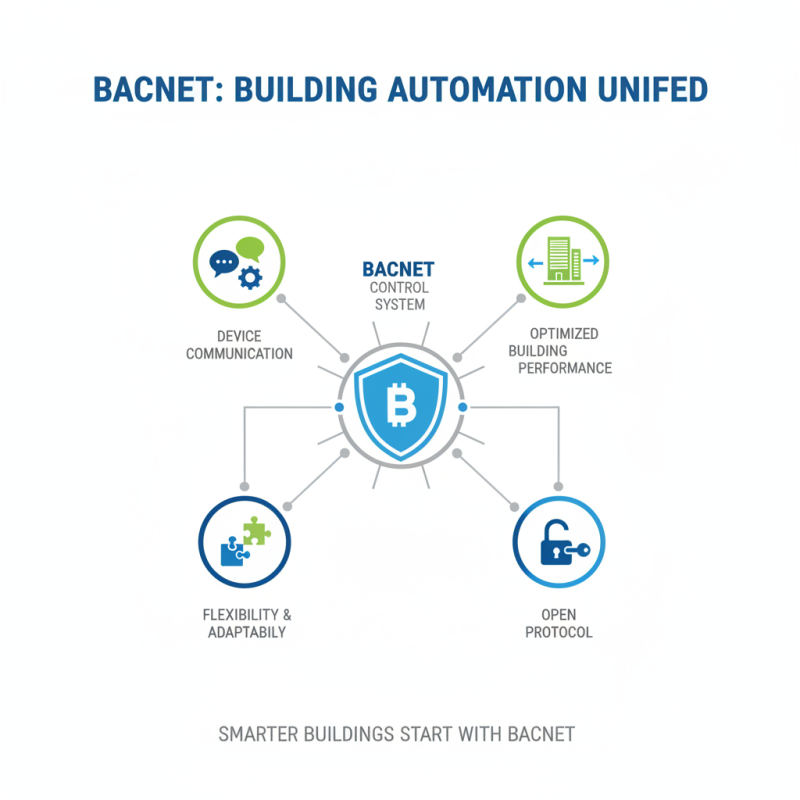
Bacnet control systems are crucial for modern building automation. They allow various devices to communicate effectively. This openness fosters flexibility and adaptability in system design. Understanding Bacnet’s technology can help you optimize your building's performance.
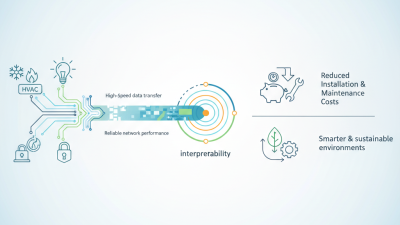
Bacnet stands for Building Automation and Control Network. It is an open protocol used for controlling HVAC, lighting, and other building systems. This technology ensures interoperability, allowing for easier integration of devices. You can mix and match equipment from different manufacturers, which is a significant advantage. When adopting Bacnet, you may face compatibility issues with older systems. Consider assessing your current infrastructure before implementing new devices.
Tips: Monitor your system's performance regularly. This will reveal areas that need improvement. Also, involve your facility management team early in the process. Their insights are invaluable for maximizing your building’s efficiency. Remember, understanding Bacnet is an ongoing journey. Be prepared to adapt as technologies and needs evolve.
Key Features of Bacnet Control Systems for Enhanced Efficiency
Bacnet control systems offer a range of features that enhance building efficiency. They support interoperability among various devices. This flexibility leads to better integration and communication. Whether it’s HVAC, lighting, or security systems, their seamless interaction is crucial.
Energy savings are another key feature. Bacnet systems intelligently manage resource usage. They collect data to optimize heating and cooling schedules. Over time, this can significantly reduce costs. Users often find it challenging to implement these systems fully. Proper training is essential for maximizing their potential.
Customization is also important. Each building has unique needs. Bacnet systems allow for tailored solutions. However, not all configurations are straightforward. Sometimes, adjustments may lead to unexpected issues. Ongoing refinement is crucial to align with evolving technologies and requirements.
Comparative Analysis: Bacnet vs. Other Control Systems
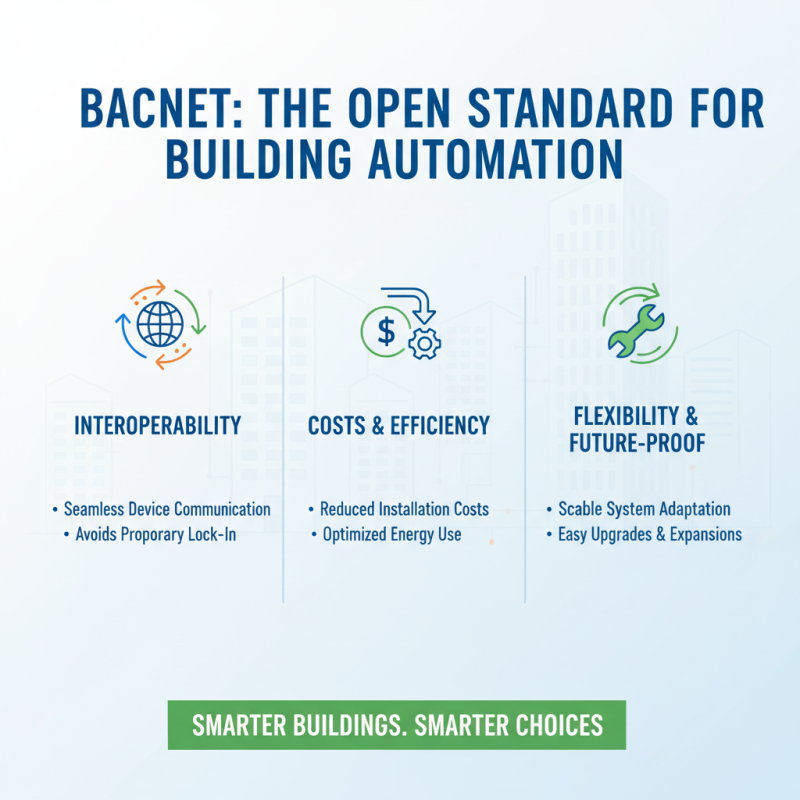
When considering building automation systems, Bacnet stands out for its interoperability. Unlike proprietary systems, Bacnet allows various devices to communicate seamlessly. This can reduce costs and improve efficiency. It's not just about integration; it’s about flexibility too. Bacnet enables building managers to adapt their systems as needs change.
Comparing Bacnet with other control systems reveals strengths and weaknesses. Many proprietary systems lack customization. They often tie users to specific manufacturers. This can lead to higher long-term costs. On the other hand, some open protocols may struggle with security. They can present challenges related to maintenance. When looking at scalability, Bacnet offers an advantage. As buildings grow, Bacnet systems can expand and evolve effortlessly.
Users appreciate Bacnet’s user-friendly interface, but it isn't perfect. Configuration can be complex, especially for newcomers. It requires time and experience to master. While Bacnet aims for standardization, not all devices follow the same protocol. This inconsistency can lead to frustration when integrating diverse components. Ultimately, careful planning and consideration are key to maximizing its benefits.
Real-World Applications of Bacnet in Modern Buildings
Bacnet control systems are versatile tools for modern building automation. They offer seamless integration across various systems. In commercial buildings, Bacnet streamlines HVAC, lighting, and security. Statistics show that buildings utilizing Bacnet can reduce energy consumption by up to 30%. This efficiency leads to substantial cost savings.
In real-world applications, schools and hospitals benefit greatly from Bacnet's capabilities. For instance, schools reported improved comfort levels and reduced operational costs. Hospitals utilize Bacnet to manage complex systems that ensure patient safety. A 2021 study highlighted that nearly 70% of healthcare facilities leverage Bacnet for its reliable communication protocols.
However, not all implementations are flawless. Some users encounter compatibility issues when integrating older systems. The learning curve for operators can also be steep at times. These challenges highlight the importance of thorough planning and training. Despite these setbacks, the advantages of using Bacnet systems are significant in advancing building automation.
Why Choose Bacnet Control Systems for Your Building Automation Needs? - Real-World Applications of Bacnet in Modern Buildings
| Application Area |
Benefits |
Key Features |
Real-World Example |
| HVAC Control |
Improved energy efficiency, enhanced comfort |
Real-time monitoring, automation, remote access |
Office Buildings |
| Lighting Management |
Reduced energy costs, increased productivity |
Dimming, scheduling, occupancy sensing |
Corporate Campuses |
| Security Systems |
Enhanced safety, real-time alerts |
Access control, video surveillance integration |
Financial Institutions |
| Energy Management |
Lower operational costs, sustainability |
Data analytics, performance benchmarking |
Manufacturing Facilities |
| Facility Management |
Streamlined operations, improved tenant satisfaction |
Integration with multiple building systems |
Mixed-use Developments |