What is Bacnet Control Systems and How Do They Work?
Bacnet Control Systems play a critical role in modern building management. These systems enhance energy efficiency and optimize comfort levels in commercial and residential spaces. According to a recent industry report by the Building Automation and Control Systems (BACS) Group, the global market for Bacnet Control Systems is projected to grow by 8% annually, spurred by the increasing demand for smart building technologies.
Industry expert Dr. Emily Johnson, a leading figure in building automation, observes that "Bacnet Control Systems transform how we interact with our environments." Her insights reflect the growing need for integrated systems that streamline energy management. Many buildings still operate with outdated control systems, leading to inefficiencies. The shift to Bacnet systems offers solutions that can significantly reduce operational costs while providing better user experiences.
However, not all implementations are straightforward. Proper integration and staff training can prove challenging. These hurdles highlight the need for continued education and system refinement within organizations aiming to adopt Bacnet technologies. Recognizing these complexities is crucial as we delve deeper into understanding Bacnet Control Systems and their transformative potential.

What is BACnet? An Overview of Its Definition and Purpose
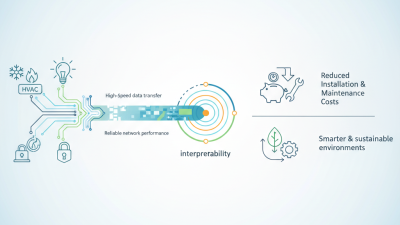
BACnet, or Building Automation and Control Network, is a communication protocol used for automating and controlling building systems. It facilitates interoperability among different devices like HVAC systems, lighting, and security controls. This open protocol ensures that devices from various manufacturers can work together seamlessly. The aim is to improve energy efficiency, comfort, and overall building management.
BACnet operates by using a structured way to transmit data between devices. It defines specific rules for communication, ensuring that devices understand each other, regardless of the manufacturer. This can significantly enhance the functionality of a building’s control systems. For instance, a BACnet-enabled thermostat can receive data from sensors located throughout a facility, adjusting temperature settings automatically based on real-time information.
Despite its benefits, BACnet systems may present challenges. Implementing BACnet requires careful planning. Proper configuration is crucial to avoid integration issues. Not all devices are fully compliant, which can lead to communication breakdowns. Regular updates and maintenance are necessary to ensure continued operation. Understanding the intricacies of BACnet can empower professionals to make informed decisions about building automation.
BACnet Control Systems Data Overview
This chart displays the efficiency of BACnet control systems across different buildings. The data illustrates how various implementations perform, showcasing the effectiveness of BACnet technology in building automation and control.
The Key Components of BACnet Control Systems Explained
BACnet control systems are vital in modern building automation. They enable different systems to communicate effectively. The primary components of BACnet systems include devices, networks, and application services. Each plays a unique role in ensuring smooth operation and management.
Devices in a BACnet system can include sensors, actuators, and controllers. These devices gather data and execute commands based on that information. Networks connect these devices, allowing data to flow seamlessly. Common network types are Ethernet and MS/TP. Reliability in these components is crucial to avoid system failure or data loss.
Application services within BACnet systems provide functionality for data exchange. They help in monitoring and controlling devices remotely. Security in data transmission is essential but may not always be perfect. Occasionally, miscommunication occurs due to network issues or device compatibility. This highlights the need for ongoing assessment to ensure systems function optimally.
What is Bacnet Control Systems and How Do They Work? - The Key Components of BACnet Control Systems Explained
| Component |
Description |
Functionality |
| BACnet Protocol |
A communication protocol for building automation and control networks. |
Facilitates interoperability among various devices and systems. |
| Controllers |
Devices that manage and regulate building systems. |
Execute control actions based on sensor inputs and programmed algorithms. |
| Sensors |
Devices that measure environmental conditions such as temperature and humidity. |
Provide real-time data to controllers for effective decision-making. |
| Actuators |
Devices that carry out physical actions based on control signals. |
Adjust systems such as HVAC, lighting, and security according to commands. |
| User Interface |
Software or hardware interface for user interaction with the control system. |
Allows operators to monitor, control, and configure building systems. |
How BACnet Communication Protocols Facilitate System Integration
BACnet is a communication protocol designed specifically for building automation and control networks. It enables various devices and systems to communicate seamlessly, which is crucial for efficient operational management. According to a recent report by the Building Automation Association, nearly 60% of commercial buildings in urban areas now utilize BACnet systems. This demonstrates a significant trend towards standardization in building control systems.
The effectiveness of BACnet lies in its ability to facilitate integration across diverse platforms and technologies. The protocol allows different manufacturers' equipment to work together, ensuring that HVAC, lighting, and security systems can all share data. A study from the International Society of Automation highlights that integrated systems can reduce energy consumption by 30%, underscoring the value of interoperability. Yet, achieving such integration is often more complex than it appears. Many facilities struggle with outdated systems that do not support BACnet, leading to communication gaps.
Another challenge lies in configuration. Properly setting up BACnet networks requires skilled professionals who understand system architecture and protocols. However, only 25% of organizations report having adequate expertise on staff. This knowledge gap can hinder effective implementation, leaving facilities operating below optimal efficiency. Embracing BACnet benefits requires addressing these issues, ensuring both technological and human resources are aligned.
Applications of BACnet in Building Automation and Control
BACnet is a communication protocol widely used in building automation systems. Its strength lies in interoperability. Various devices from different manufacturers can communicate seamlessly. This capability is crucial in optimizing energy efficiency and enhancing user comfort.
According to a report by the American Society of Heating, Refrigerating and Air-Conditioning Engineers (ASHRAE), BACnet makes up over 60% of the market share in building control systems. These systems monitor heating, ventilation, air conditioning (HVAC), lighting, and security. Integration creates a holistic view of building operations. Real-time data access fosters informed decision-making. A report from Navigant Research highlights that the efficient integration of BACnet systems can lower energy costs by up to 30%.
Building managers benefit significantly. They can automate routines and reduce operational errors. However, challenges persist. Legacy systems may face connectivity issues. Moreover, proper training in BACnet can be inconsistent among staff. Regular updates and adherence to standards ensure optimal system performance. The future of building automation relies on overcoming these challenges while leveraging BACnet’s advantages.
Benefits of Using BACnet Systems for Energy Management and Efficiency
BACnet systems provide significant benefits for energy management and efficiency in modern buildings. By enabling seamless communication between various devices, BACnet promotes a more integrated approach to building automation. This interconnectivity allows for real-time monitoring and control, which can lead to reduced energy waste. When systems communicate effectively, managers can make informed decisions about energy usage, optimizing resources.
One of the key advantages of BACnet is its ability to enhance operational efficiency. Through data analysis, building managers can identify inefficiencies in systems. For instance, heating or cooling may operate at suboptimal levels. These insights lead to timely adjustments that can result in energy savings. Moreover, the flexibility of BACnet means it can adapt to different building types and needs, making it a versatile choice for facility managers.
While BACnet systems offer many advantages, implementation can be challenging. Effective setup requires expertise and understanding of building operations. Not all installations go smoothly; initial costs can also be a barrier. Nonetheless, the long-term savings and improved energy performance typically outweigh these drawbacks. Facilities adopting BACnet may find themselves continually refining their systems, aiming for that elusive peak efficiency.