What is Bacnet Bms and How Does It Work in Building Management Systems?
In the realm of building management systems, BACnet BMS stands out as a crucial component. This protocol facilitates communication between various devices within a building. It enables efficient management of heating, cooling, lighting, and other systems.
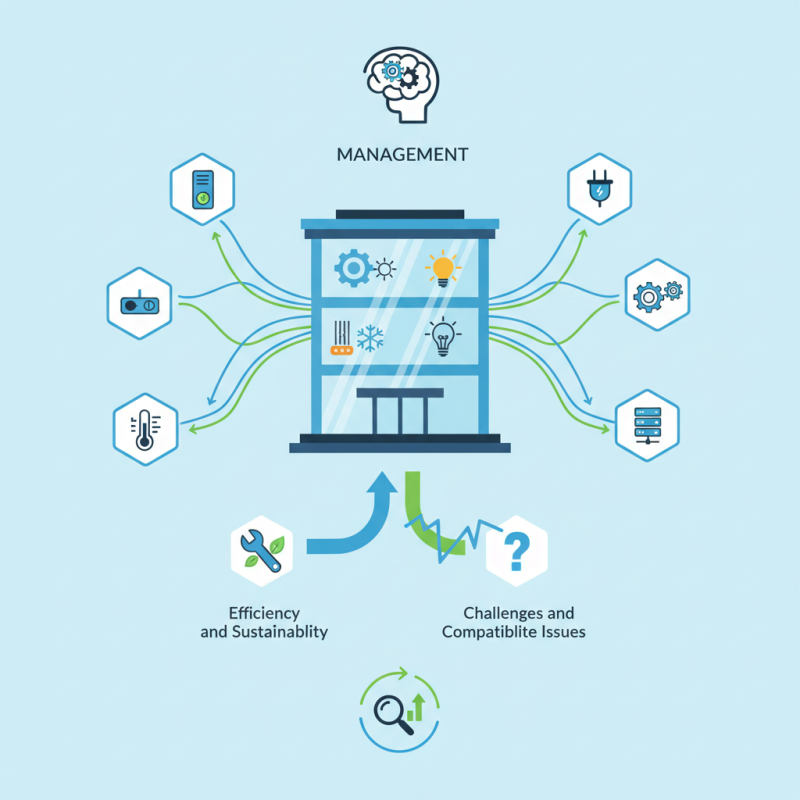
Understanding BACnet BMS is essential for effective building operations. It allows different systems to work together seamlessly. However, implementing this system can be challenging. Compatibility issues may arise between older and newer equipment. Building managers must consider these factors to optimize performance.
Additionally, while BACnet BMS offers numerous benefits, it demands careful planning. Mismanagement can lead to inefficiencies and increased costs. Therefore, reflection on current practices is vital. Embracing BACnet BMS means committing to ongoing evaluation and improvement. In the end, it is about creating more sustainable and efficient environments.
What is BACnet and Its Role in Building Management Systems
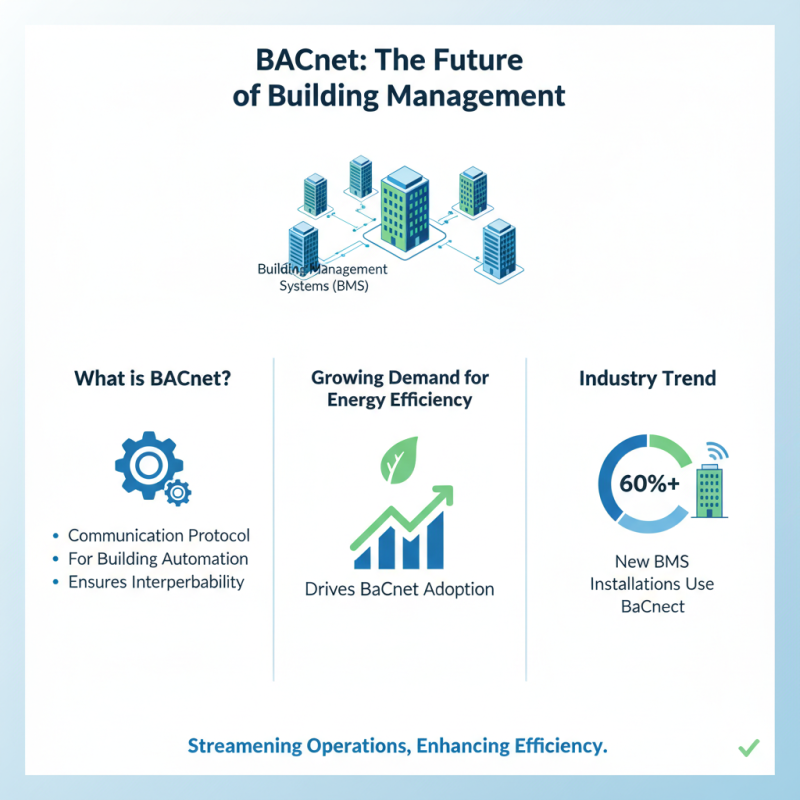
BACnet, or Building Automation and Control Network, plays a crucial role in modern building management systems. It is a communication protocol that facilitates interoperability among various building systems. These systems include heating, ventilation, air conditioning (HVAC), lighting, and security. BACnet allows devices from different manufacturers to communicate effectively. This connectivity enhances efficiency and reduces energy consumption.
In practical terms, BACnet enables seamless integration of diverse equipment. For example, a smart thermostat can send temperature data to a central system. This system can then adjust the HVAC operations accordingly. Imagine a building where lighting dims automatically as natural light increases. This is made possible through BACnet's ability to allow devices to share information in real-time.
However, implementing BACnet can present challenges. Compatibility issues may arise, particularly with older devices. Additionally, training staff to use and manage these systems effectively is essential. Some users may struggle with the complexity of the protocols. This can lead to inefficient operations if not addressed. Striving for a balanced integration remains necessary, as technology continues to evolve rapidly in the building management sphere.
Overview of Building Management Systems and Their Importance in Modern Buildings
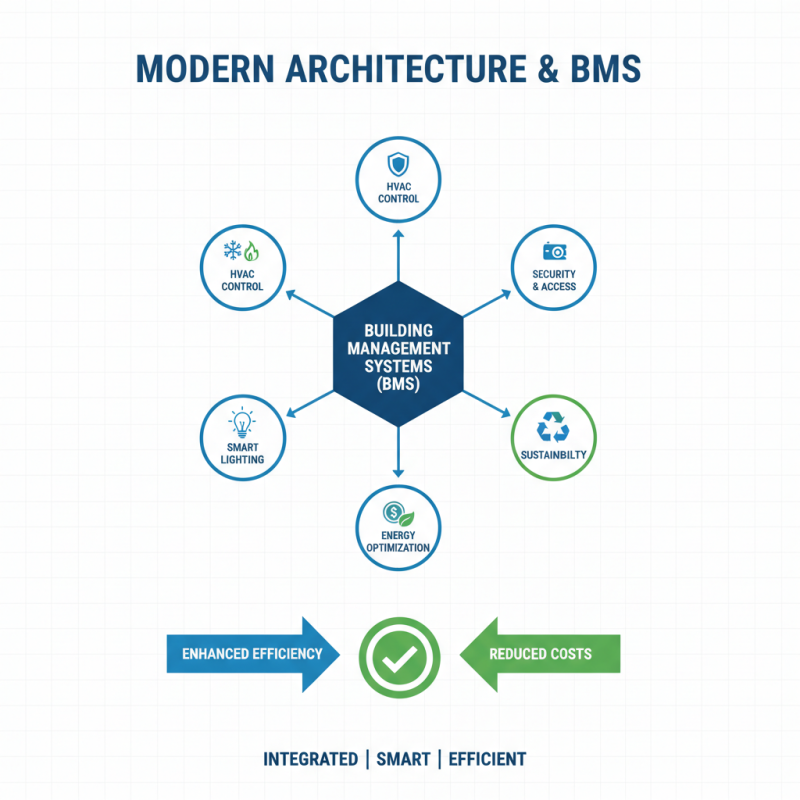
Building management systems (BMS) have become essential in modern architecture. These systems integrate various technologies to streamline building operations. Effective BMS can manage HVAC, security, lighting, and energy usage. This integration enhances efficiency and reduces costs, contributing to a sustainable environment.
In today's buildings, the importance of a BMS cannot be overstated. It allows for real-time monitoring and control of building systems. Occupants benefit from improved comfort and safety. However, there can be challenges in implementation. For instance, system compatibility issues may arise. Some buildings may still rely on outdated technologies, which creates inefficiencies.
The effectiveness of a BMS often depends on user engagement. Staff must be trained to utilize these systems fully. Regular updates and maintenance are also crucial. Without commitment to these practices, a BMS may not function at its best. The goal is to create smarter buildings that respond to occupant needs while minimizing environmental impact.
Key Features and Protocols of BACnet in Enhancing Building Automation
BACnet is a communication protocol designed for building automation. It connects various systems, such as HVAC, lighting, and security. This interconnection enhances efficiency and simplifies management. By using BACnet, different devices can communicate seamlessly, leading to optimized control over building environments.
Key features of BACnet include standard data formats, addressing methods, and services. The protocol enables diverse equipment to work together without compatibility issues. It uses a client-server model, facilitating requests and responses between devices. These features promote flexibility in system design, though they may lead to complexity. Users sometimes feel overwhelmed by the choices.
Another critical aspect is the integration of BACnet with IoT technologies. This enhances monitoring and automation. However, implementing BACnet can come with challenges, such as training staff and managing data security. Some organizations struggle with the initial setup. It’s essential to weigh these factors carefully when choosing to implement BACnet in a building management system.
What is Bacnet Bms and How Does It Work in Building Management Systems? - Key Features and Protocols of BACnet in Enhancing Building Automation
| Feature |
Description |
Protocol |
Benefit |
| Interoperability |
Allows various devices and systems to work together within a BMS. |
BACnet/IP, BACnet MS/TP |
Reduces costs by preventing vendor lock-in. |
| Scalability |
Easily expand and integrate new systems and devices. |
BACnet Ethernet, BACnet PTP |
Supports growth and changes in building infrastructure. |
| Data Sharing |
Facilitates real-time data exchange between devices. |
BACnet WS, BACnet/ISO 8807 |
Enhances efficiency and decision-making processes. |
| Network Security |
Incorporates measures to protect data transmission. |
BACnet Secure Connect |
Safeguards sensitive information and building operations. |
| Analytics and Monitoring |
Provides tools for performance analysis and diagnostics. |
BACnet and Cloud Integration |
Improves operational efficiency and predictive maintenance. |
How BACnet Facilitates Integration of HVAC, Lighting, and Security Systems
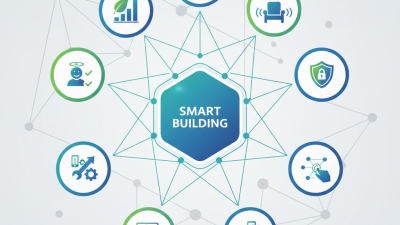
BACnet is a protocol that enables effective communication within building management systems. By using BACnet, different systems—like HVAC, lighting, and security—can talk to each other seamlessly. This communication reduces operational conflicts. It also aids in real-time monitoring of building environments.
For instance, if a security breach occurs, the lighting can switch on automatically in affected areas. This response enhances safety and efficiency. Similarly, HVAC systems can adjust based on occupancy detected by security sensors. However, integrating these systems can be challenging. Legacy systems might not support BACnet, leading to integration issues and increased costs.
The flexibility BACnet offers is impressive, but it comes with its flaws. Sometimes, configurations can be complex. Technicians may struggle to optimize systems fully. Understanding data from different systems requires proper training. Building managers must be ready to adapt and learn. Balancing ease of use with technical demands is essential for successful implementation.
BACnet BMS Integration Overview
Industry Statistics on BACnet Adoption and Efficiency Improvements in BMS
BACnet is a communication protocol that plays a crucial role in Building Management Systems (BMS). As the demand for energy efficiency increases, the adoption of BACnet has surged. Recent industry statistics indicate that over 60% of new BMS installations now employ BACnet. This trend suggests a growing recognition of its benefits in streamlining operations and enhancing system interoperability.
In addition to the rising adoption rates, BACnet has been shown to yield significant efficiency improvements. Buildings using BACnet can enhance their energy usage by up to 30%. This statistic highlights its contribution to sustainability and operational cost reduction. However, some challenges remain. For instance, integrating legacy systems with BACnet can be complex. Many facilities still rely on older technologies that may not support modern protocols.
Training and knowledge gaps among staff can also hinder BACnet's effectiveness. Some users report difficulty in fully optimizing the system's capabilities. Without proper understanding, the potential benefits of energy savings may not be realized. Thus, while BACnet adoption is on the rise, there’s still room for improvement in implementation and training for optimal results.