2026 Top Trends in Building Automation with Bacnet Over Ethernet?
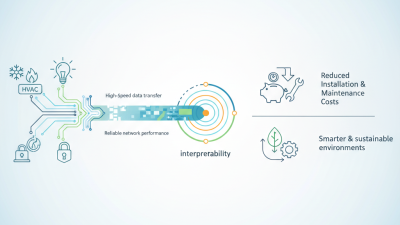
The future of building automation is set to transform significantly by 2026, with key advancements driven by technologies like Bacnet Over Ethernet. This approach enables seamless connectivity between devices, enhancing the efficiency of building management systems. As businesses seek smarter solutions, the integration of Bacnet Over Ethernet will play a pivotal role in optimizing energy usage and improving user experiences.
This evolving landscape of automation aligns with broader trends seen in various industries, such as manufacturing and smart home technology. The 2026 Canton Fair highlights innovations, showcasing how AI and automation work together. The ability to efficiently track and manage resources is crucial. However, not all implementations will be without challenges. Ensuring compatibility and performance across diverse systems can be daunting.
As we embrace these advancements, it is essential to remain critical. Will Bacnet Over Ethernet truly reduce operational complexities, or might it introduce new obstacles? Addressing these questions is key to navigating the future of building automation. Overall, the trend towards efficient, interconnected environments presents both opportunities and hurdles that require thoughtful consideration.

Overview of Building Automation Trends for 2026
The building automation landscape is evolving rapidly. By 2026, the integration of BACnet over Ethernet will redefine how systems communicate. According to recent reports, the building automation market is expected to reach $100 billion by 2026. This growth is driven by efficiency demands and smart technology adoption.
Key trends include increased interoperability. Systems will better communicate, allowing for smoother data exchange. Almost 70% of building managers prioritize seamless integration. This shift aims to enhance energy management. Yet, challenges remain. Many existing buildings have outdated systems that may not easily adapt to new technology.
Cybersecurity is another critical focus. With more connected devices, vulnerabilities increase. A study indicates that 60% of firms worry about security breaches in building automation. Addressing these fears is essential for widespread adoption. As the industry evolves, balancing innovation with security will be crucial for success.
Understanding BACnet Over Ethernet Protocol
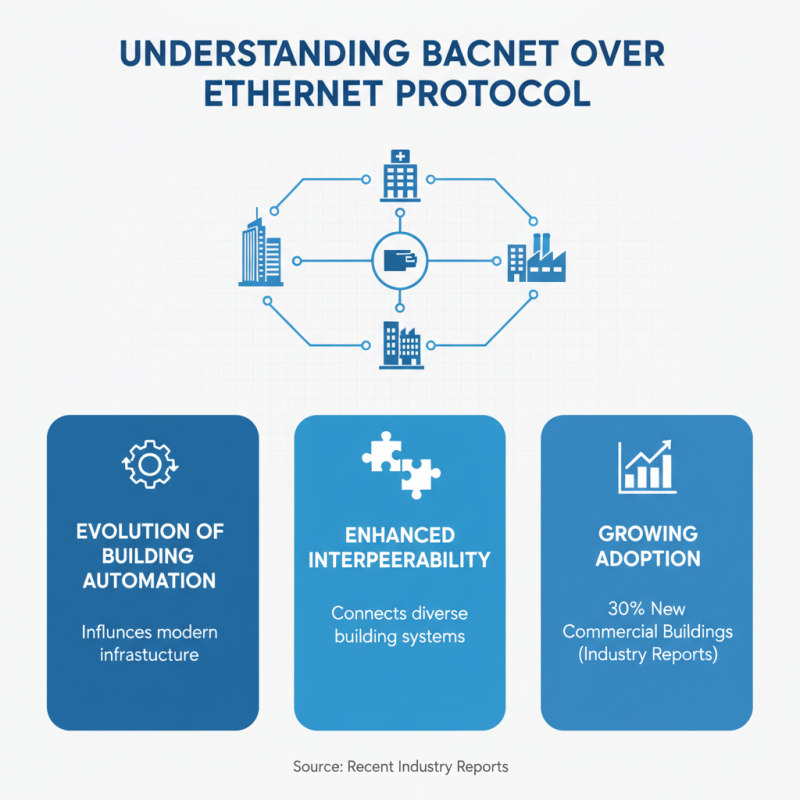
The evolution of building automation is significantly influenced by the BACnet Over Ethernet protocol. This protocol enables better interoperability among various building systems. According to recent industry reports, over 30% of new commercial buildings now implement BACnet Over Ethernet. This figure highlights its growing importance in modern infrastructure.
One key advantage of BACnet Over Ethernet is its flexibility and scalability. Systems can be easily integrated and expanded without major overhauls. For instance, a medium-sized office can start with simple HVAC controls and later add lighting and security systems seamlessly. However, this integration isn't without challenges. Technical compatibility between devices can vary. The potential for network congestion also poses a concern, especially as building systems become more complex.
Moreover, as the demand for smart buildings grows, so does the need for robust data security. Industry reports indicate that up to 70% of buildings will deploy IoT solutions by 2026. Ensuring that BACnet communications remain secure is crucial. Many professionals may overlook this aspect, leading to vulnerabilities that attackers could exploit. Navigating these risks requires ongoing education and expertise in building automation technologies.
Key Innovations in Building Automation Technologies
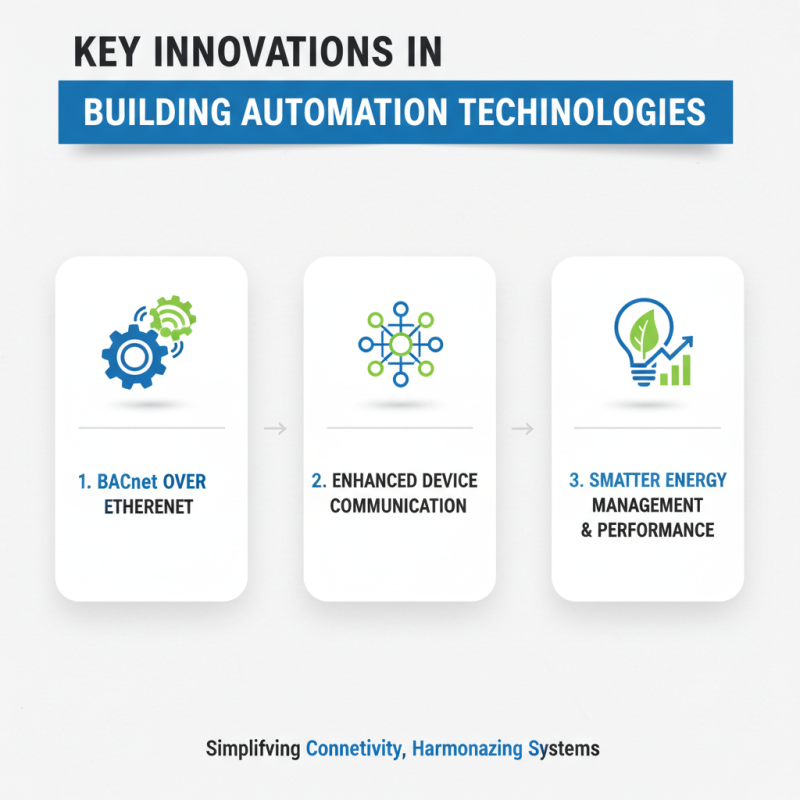
The landscape of building automation is evolving rapidly, driven by innovations that empower smarter management of facilities. At the forefront is BACnet over Ethernet, which enhances communication between devices. This technology simplifies connectivity and allows various systems to work in harmony. Faster communication leads to more efficient energy management and better overall performance.
Emerging trends focus on interoperability and user experience. New automation systems prioritize user-friendly interfaces and seamless integration. They enable easier monitoring and control of lighting, HVAC, and security systems. However, not all systems achieve flawless integration. Challenges remain in standardizing protocols across devices. Some installations still struggle with compatibility issues. These aspects need attention as the technology matures.
Sustainability continues to be a crucial consideration in building automation. As eco-conscious design becomes a priority, technologies that support energy-efficient practices must expand. Smart sensors and analytics drive informed decision-making, yet there's a need for better data accuracy. Gathering precise insights is not always guaranteed. The quest for smarter, greener buildings is ongoing and will shape the future of our environments.
Impact of IoT on Building Automation Systems
The Internet of Things (IoT) is reshaping
building automation in remarkable ways. With advanced sensors and devices, buildings
become smarter and more efficient. These connected systems gather data in real-time,
allowing for better energy management. Lighting, heating, and cooling systems can
adapt based on occupancy patterns, minimizing waste. However, there are challenges
in integrating such technologies.
Data security is a major concern as more
devices connect to the Internet. Vulnerabilities might exist in systems if not
properly managed. A small oversight in settings could lead to significant
security risks. Moreover,
users may struggle to understand these systems fully. The learning curve can be
challenging for some operators. The change is rapid, and not everyone can keep
up with new developments.
Incorporating IoT requires careful planning and ongoing evaluation. Building
managers must remain vigilant and continuously educate themselves. The potential
benefits are immense, yet the pitfalls
might overshadow them if not addressed. Continuous improvement and adaptability
will be crucial in navigating this complex landscape.
Sustainability and Energy Efficiency in Building Automation
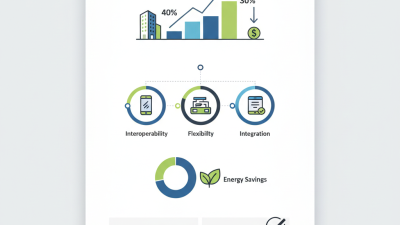
Building automation plays a pivotal role in enhancing sustainability and energy efficiency. According to a recent report, buildings account for nearly 40% of global energy consumption. The implementation of BACnet over Ethernet offers significant opportunities to improve these figures. It ensures seamless communication between systems, allowing for better monitoring and control. This leads to optimized energy usage.
Sustainability is not just about using less energy. It's about maximizing efficiency. Smart sensors and IoT devices integrated with BACnet can detect real-time energy usage patterns. By analyzing this data, facility managers can implement changes that lead to significant cost savings and reduced carbon footprints. Reports indicate that buildings that adopt advanced automation can see energy savings of up to 30%.
Tips: Regularly audit energy consumption. Look for patterns that might suggest inefficiencies. Be open to adjusting systems based on real-time data. Sustainability is an ongoing journey. Each adjustment can contribute to a larger goal.
Ultimately, the future of building automation hinges on flexibility and adaptability. Mistakes in initial setups can lead to missed opportunities for energy savings. Embrace technology but remain critical of its implementation. Continuous improvement is key.